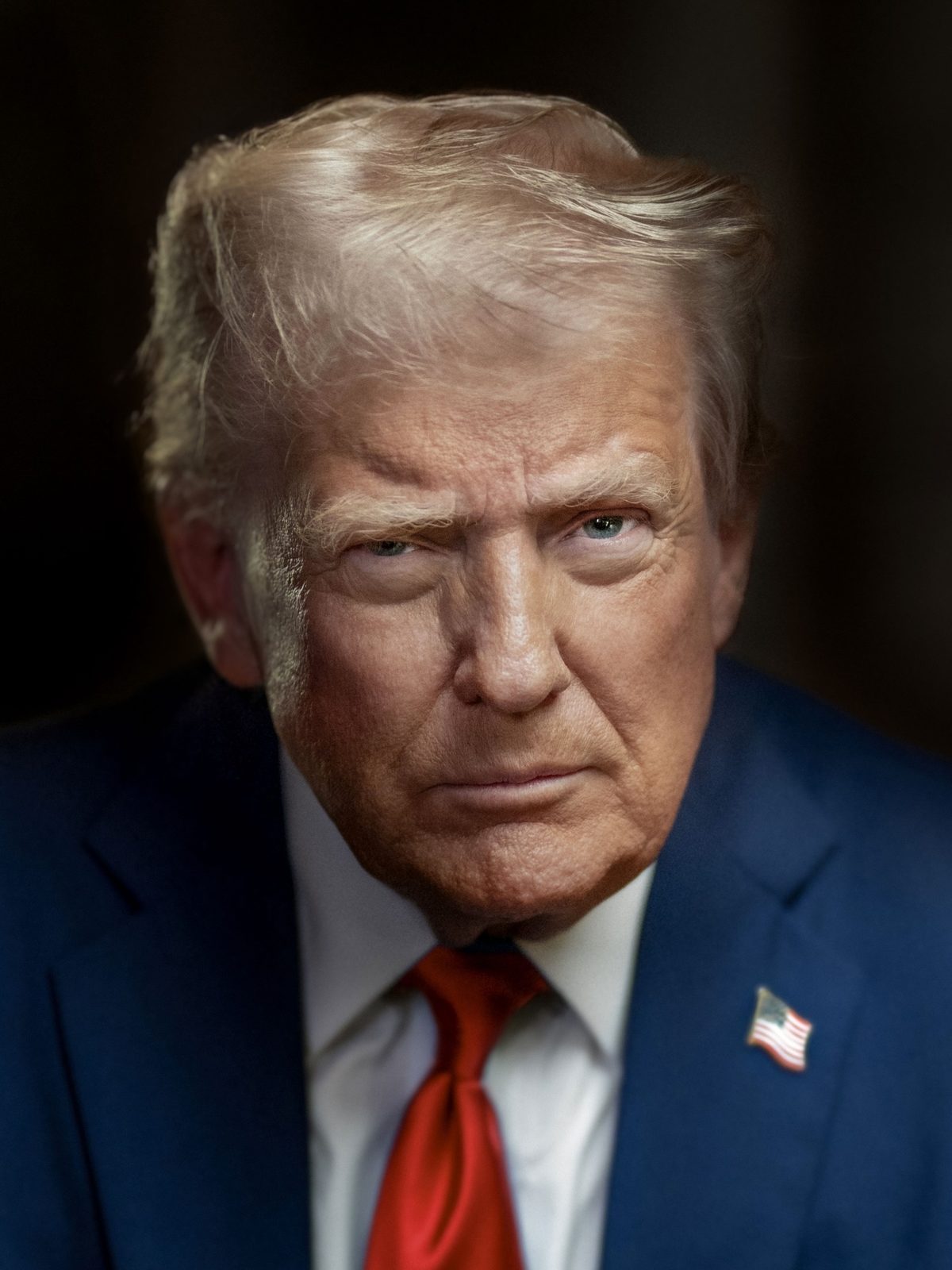
USAupdated 1h ago2 min read
Archive photo · 2 June 2025Democrats Seek To Limit Trump’s Iran War As Congress Constraints Grow
“Congress, even if controlled by Democrats, will have little power over his day-to-day management of foreign policy.”
“the power of the purse will grant them considerable influence and negotiating power.”
Photo: Daniel Torok / US federal government, Public domain · Cropped for layout
This article is an automated aggregation of coverage from news outlets. Our editorials offer in-depth analysis curated by the NewsCord team.
Democrats gain control of Congress, enabling oversight on Trump's Iran policy. Congress can curb Iran war through funding and legislation, but Trump retains powers.
Save coverage image
CNN was read line by line by the Watchdog: 6.0. See the score →
Midterms reshape foreign policy
President Donald Trump’s foreign policy agenda faces new constraints after midterm losses, with Chatham House’s Laurel Rapp saying Congress may seek to limit the Iran war while Trump retains significant powers to continue military action. Midterm results could influence whether Trump pursues a deal with Tehran or more war, how much Washington’s support for Israel erodes, and how hard he pushes Kyiv to accept terms to end Russia’s war.
Trump admitted in a call with Fox News that the war in Iran was partly to blame for the Republicans’ losses, while Vice President JD Vance said in an X post that “the reason we lost is the war.” Parliamentary speaker Mohammad Bagher Ghalibaf wrote on X that “If the US government betrays their public will to serve international paymasters and blackmailers, it will learn our NO comes with a Nightmare.”
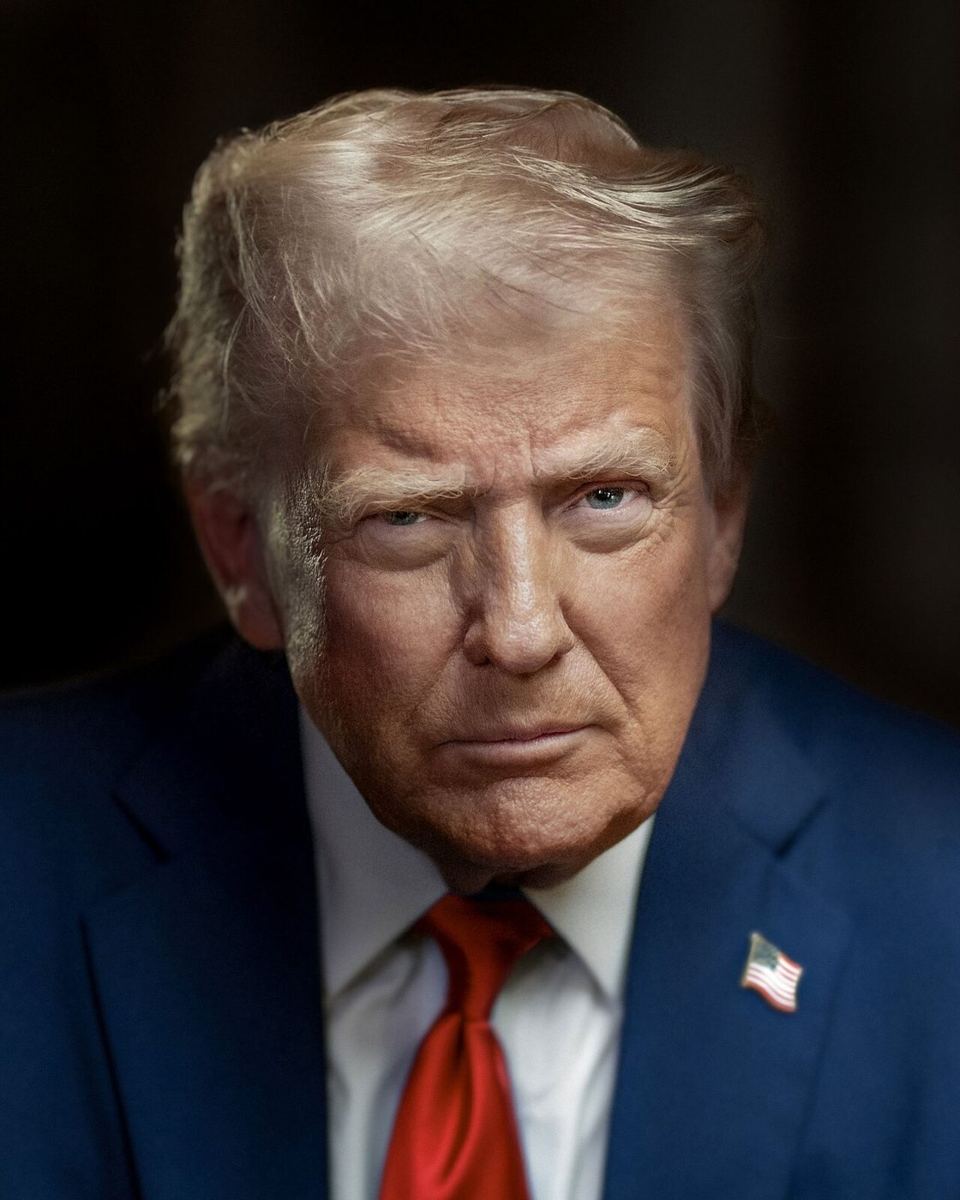
Democrats gain leverage, not control
Democrats secured control of both the Senate and the House of Representatives against the backdrop of the Iran war and concerns over tariffs, the economy, and the cost of living.
Democrats will hold the federal purse strings, chair congressional committees, and through control of the Senate decide which of Trump’s nominees are confirmed to key national security and diplomatic posts.
Democrats now have powerful leverage, and Brian Finucane said “Attaching a funding prohibition to a must-pass piece of funding legislation” would be the most effective “mechanism for forcing an end” to either the Iran war or boat strikes.
Joshua Shifrinson said “Our bases there are going to need to be rebuilt or moved elsewhere. They’ve been heavily hit by Iran,” framing appropriations as the lever for decisions about the U.S. presence in the Middle East.

Stakes for Iran, Israel, Ukraine
The election day announcement that Trump would abruptly cut off US military aid to the country was the first surprise in Israel, and the results were described as a “blue tsunami” that has become a “five-alarm fire in Israel.” Michael Oren said “The only bipartisan issue right now is criticism of Israel,” and he warned that the end of US aid could be “the beginning of a process” that includes intelligence sharing and joint development of critical military systems.
The absence of a veto-proof majority will constrain Democrats’ ability to reverse Trump’s tariff policies or his approach to the Ukraine war and relations with European allies. Democrats can steer the United States in new directions after the new Congress is sworn in early next year, but it also emphasized that Democrats’ leverage depends on appropriations committees and oversight rather than replacing presidential authority.