Yemen24 May, 20262 min read
Displaced Yemenis in Taez Survive on Boiled Halas Tree Leaves After WFP Aid Stops
This article is an automated aggregation of coverage from news outlets. Our editorials offer in-depth analysis curated by the NewsCord team.
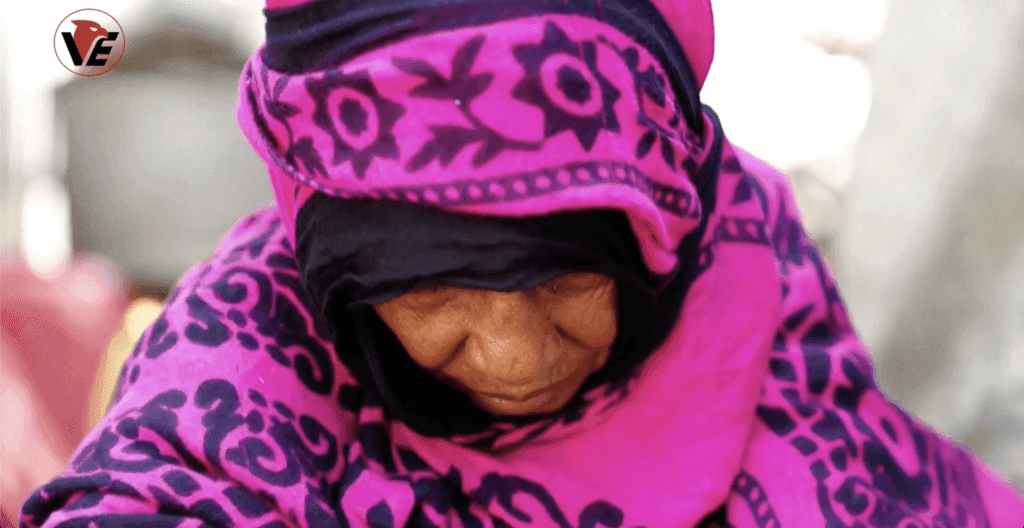
65-year-old displaced Yemeni woman collects tree leaves near camp after aid stopped. Families rely on boiled tree leaves to stave off hunger.
Tree leaves replace meals
In Taiz, Yemen, Saeeda Mohammed, a 65-year-old displaced woman, says her day begins with collecting leaves from a local tree called “Halas,” which she washes, boils, and serves to her six grandchildren after aid dried up and the conflict dragged on.
“Aid from the World Food Programme (WFP), on which her family depended, stopped more than six months ago.”
The New Indian Express describes her family living in the Al-Manij camp near Taez in southwest Yemen, where aid from the World Food Programme (WFP) stopped more than six months ago and she now picks leaves to cook in a makeshift hearth of branches and stones.

Saeedah Mohammed told AFP, "I add a little salt and boil the leaves until they soften. Then I mash them and give them to the children to appease their hunger a little," as her grandchildren eat in silence from a large metal tray.
The New Indian Express also says the family’s diet has brought recurrent diarrhoea, and that she has "We go to bed hungry, we wake up without breakfast. We have nothing. No sugar, no flour, nothing."
Malnutrition and a strike
In the Al-Munaij camp southwest of Taizz, a representative says malnutrition is widespread among dozens of children and women, including pregnant and breastfeeding mothers.
The article says "More than 35 children and over 45 women are suffering from malnutrition," and that local officials attribute the worsening crisis to a decline in humanitarian funding for Yemen.

Al Jazeera Net frames the same hunger around tree leaves, saying the Yemeni Saida Mohammed (65) lives in the al-Manij camp near Taiz in southwestern Yemen and that WFP aid has stopped for more than six months.
Al Jazeera Net quotes Saida Mohammed saying, "We sleep hungry, and wake up without breakfast. We have nothing. No sugar, no flour, nothing."
Budget cuts shrink aid
UN France, via Unric, links Yemen’s hunger to broader humanitarian funding cuts, saying dramatic budget cuts in foreign aid are multiplying among major donors and directly affecting the most vulnerable populations. Unric reports that by the end of June, less than 17% of the $46 billion needed to meet global humanitarian needs in 2025 had been received, and quotes a UN official: "We are forced to triage to ensure human survival."
Unric also says OCHA launched a highly prioritized global appeal to help 114 million people by targeting the most urgent needs, while noting that millions of people are deprived of care. In Taiz, the camp manager in Al-Ma’afer district tells the story of those gaps on the ground, saying the recently allocated food aid is less than a quarter of last year’s target, leaving thousands of displaced people with dire choices.