
DOJ and VA authorize guardianship over unhoused veterans' health care decisions
Key Takeaways
- DOJ-VA memorandum authorizes guardianship of unhoused veterans unable to make health care decisions.
- Advocates expect guardianship authority to be wielded against unhoused veterans.
- VA attorneys may join guardianship cases as special assistant U.S. attorneys.
DOJ-VA Guardianship Agreement
The Department of Justice and Department of Veterans Affairs announced a memorandum of understanding on March 11 that authorizes VA attorneys to serve as special assistant United States attorneys.
“Veterans’ advocates are raising concerns that a new agreement between the departments of Veterans Affairs and Justice could take away veterans’ autonomy over their health care decisions and deter them from seeking care, particularly those facing homelessness”
This allows them to initiate guardianship proceedings for veterans deemed 'unable to make their own health care decisions.'
The agreement establishes a mechanism for the government to assume legal guardianship over veterans, particularly those without stable housing or family support.
VA lawyers can petition state courts for guardianship when veterans lack capacity to make medical decisions and have no family or legal representation.
The stated purpose is to help veterans transition to appropriate care settings when they cannot make these decisions themselves.
Rights and Autonomy Concerns
Veterans advocates and disability rights organizations have raised profound concerns about the memorandum potentially stripping veterans of fundamental civil rights and autonomy.
Guardianship represents one of the most extreme legal interventions that can be imposed on a person, removing rights to vote, marry, engage in financial transactions, and make personal medical decisions.
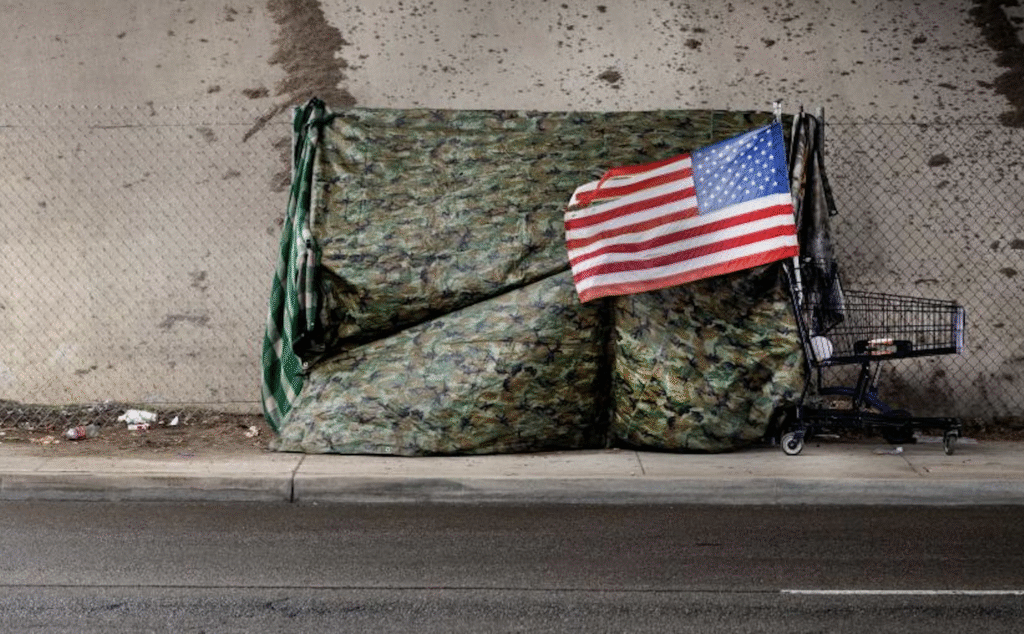
The Disability Rights Education and Defense Fund emphasized that these are not routine protective measures but 'sweeping losses of civil rights that are notoriously difficult to reverse.'
Jennifer Mathis from the Bazelon Center for Mental Health Law warned that while guardianship doesn't take away physical autonomy, it can remove significant rights.
She emphasized 'That's a big deal. We shouldn't take that lightly.' regarding the impact on veterans' rights.
Homelessness Connection
While the agencies claim the memorandum is aimed at approximately 700 veterans across the country who are currently in VA facilities and cannot make their own health care decisions, there are significant concerns about its impact on unhoused veterans.
“(PRNewsfoto/Paralyzed Veterans of America) WASHINGTON,March 13, 2026/PRNewswire/ --Paralyzed Veterans of AmericaChief Executive Officer Carl Blake released the following statement in response to the newly announced memorandum of understanding (MOU) between the Department of Veterans Affairs (VA) and Department of Justice (DOJ) authorizing VA attorneys to serve as special assistant U”
The DOJ/VA announcements acknowledge that the population the MOU applies to 'includes some Veterans who are either homeless or at risk of homelessness.'
Army veteran Angela Peacock told Filter that with no next of kin or family support, many veterans could easily find themselves in this situation.
Kathryn Monet, CEO of National Coalition for Homeless Veterans, expressed worry that stigmas around homelessness may make it easier for doctors to mistake veterans' choices as signs of mental illness rather than responses to poverty.
She also noted that once placed in conservatorship, a homeless veteran may not have 'the means to a legal defense to get out of this situation.'
Advocate Criticisms
Advocates and lawmakers have criticized the memorandum as potentially serving as a mechanism to discharge veterans from hospitals to settings they might not choose.
Jennifer Mathis expressed concern that the memorandum 'may be a way to discharge veterans (experiencing homelessness) who are sitting in hospitals to settings that they might not choose.'
She noted that if veterans are not being discharged from hospitals, it's likely due to lack of services or housing rather than lack of guardianship.
Democratic Rep. Mark Takano stated 'Veterans fought for our freedom and theirs. The federal government should not be engineering ways of taking it away.'
The Paralyzed Veterans of America organization warned that this policy could result in 'unnecessary institutionalization and the loss of fundamental rights.'
Administration Defense
The administration has defended the memorandum as an effort to make guardianship proceedings more efficient and ensure veterans receive 'timely' care.
“On March 11, theDepartment of Justiceand theDepartment of Veterans Affairsjointly announced amemorandum of understanding(MOU) that authorizes the government to assume legal guardianship over veterans who are deemed “unable to make their own health care decisions”
VA Secretary Doug Collins and Attorney General Pam Bondi emphasized that the collaboration would provide veterans with 'the best legal resources available when it comes to making medical decisions and receiving timely care.'
VA press secretary Peter Kasperowicz stated that 'VA's announcement is not aimed at homeless Veterans' and that the key characteristic is not homelessness but 'the lack of capacity to make their own medical decisions.'
However, Kasperowicz acknowledged that some veterans affected by the policy are homeless or at risk of homelessness.
The administration distanced the memorandum from President Trump's executive order making it easier to remove homeless people from streets, insisting it 'has nothing to do with' the president's homelessness initiative.
More on Technology and Science

Hawaii's Worst Flooding in 20 Years Threatens Dam, Prompts Evacuations as More Rain Looms
11 sources compared

Hawaii Deploys National Guard as Worst Flooding in 20 Years Swamps Oahu
68 sources compared
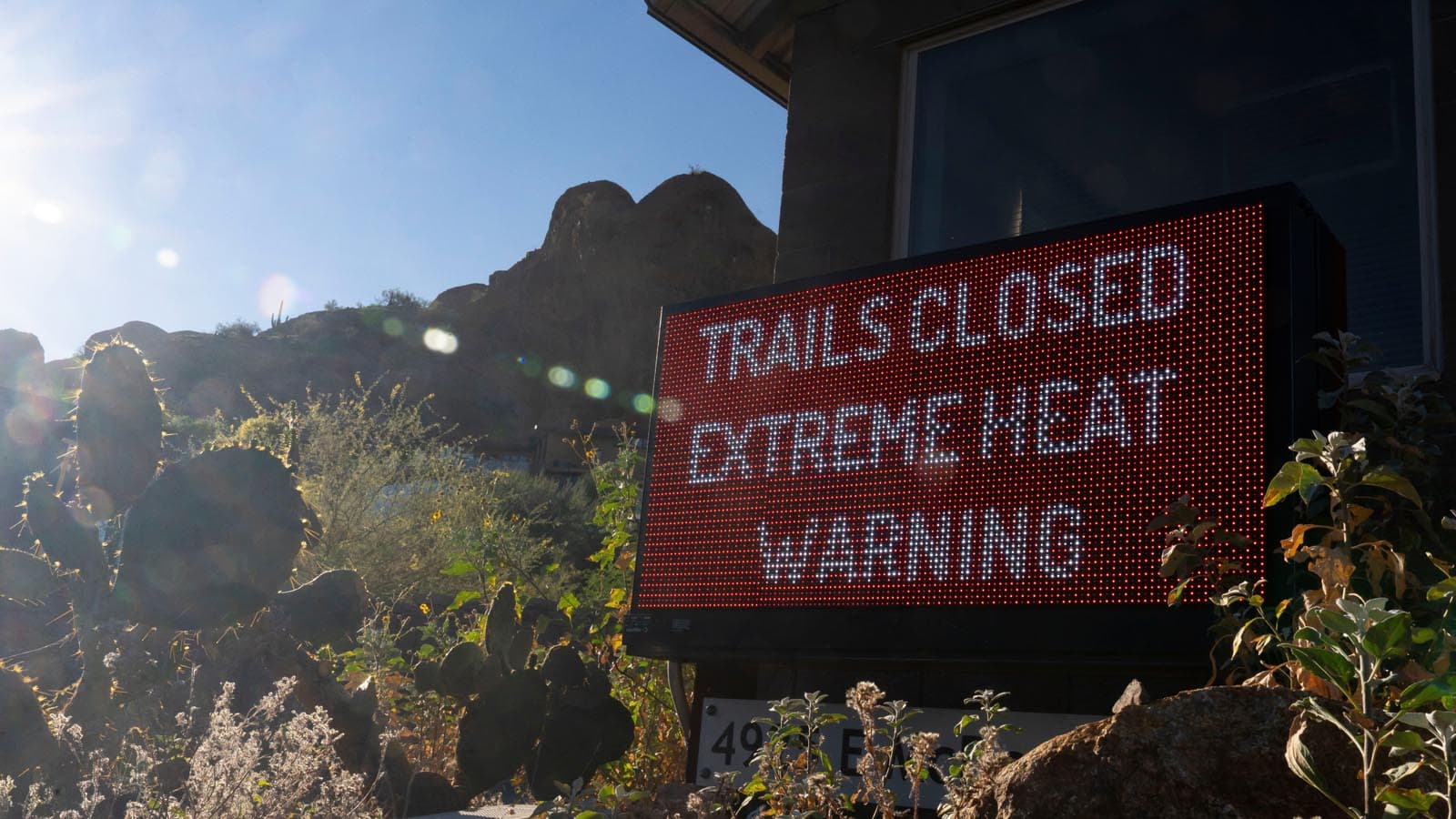
Heatwave shatters March records as Southwest bakes under extreme temperatures
48 sources compared
Record heat blankets the US Southwest as March logs hottest temperature in Arizona
10 sources compared