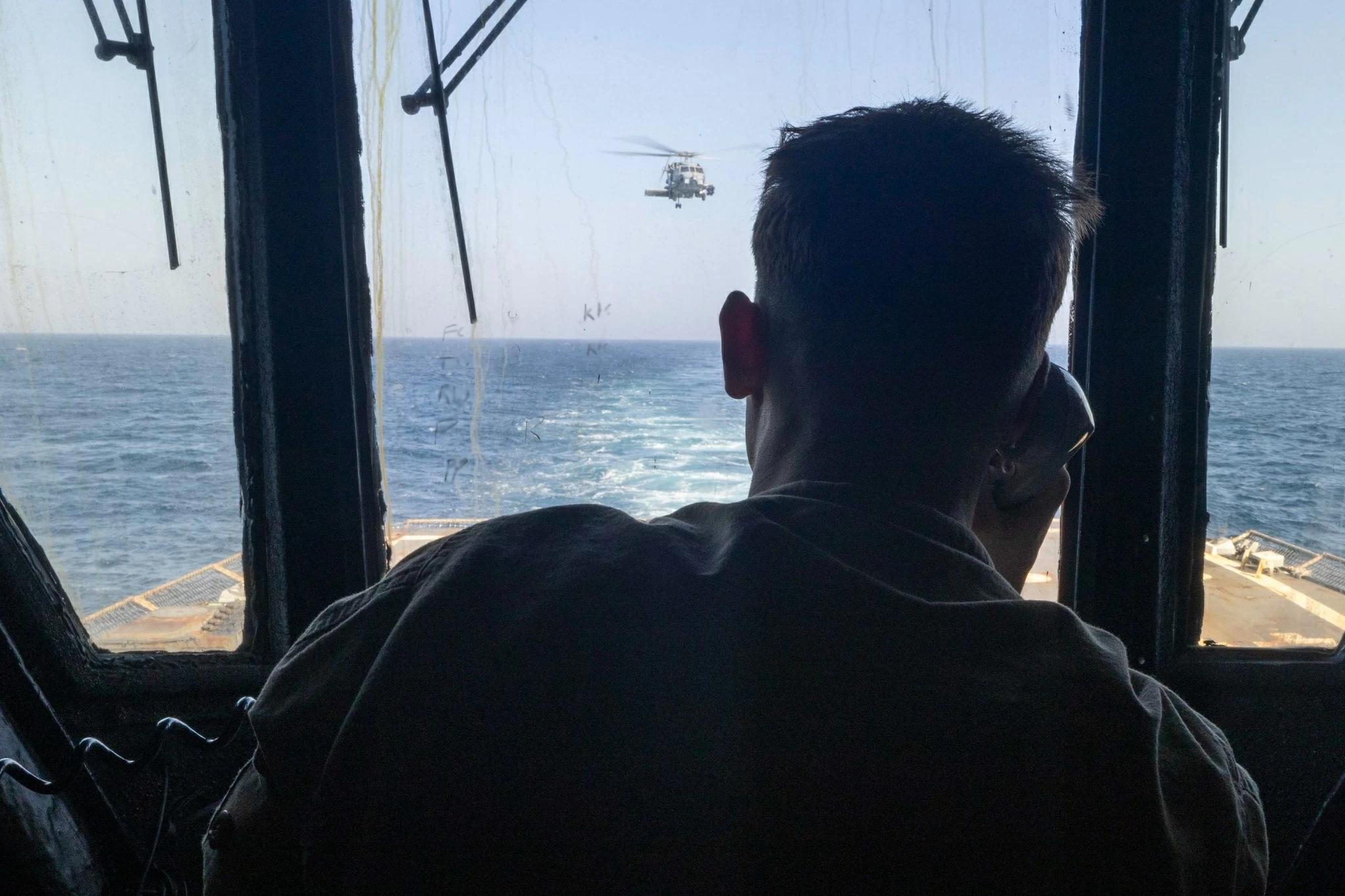
Donald Trump And Iran Reach Tentative Deal To End War, Reopen Strait Of Hormuz
Key Takeaways
- U.S. and Iran reach tentative deal to end war and reopen Strait of Hormuz.
- U.S. suspends naval blockade and permits toll-free shipping via Strait of Hormuz.
- Formal signing expected Friday to formalize the framework.
Deal announced, Hormuz next
President Donald Trump and Iran announced they had reached an agreement aimed at ending the war and reopening the Strait of Hormuz, with the deal set to take effect on Friday and a formal signing ceremony slated for Switzerland.
Trump said the US would lift its naval blockade on Iranian ports and that the Strait of Hormuz would reopen after the agreement is signed on Friday, while NBC News said the memorandum of understanding leaves some key issues unresolved and gives the two sides 60 days to resolve what to do about Iran’s stockpile of highly enriched uranium and its nuclear program.

Iran’s deputy foreign minister Kazem Gharibabadi said negotiations will begin when the US releases billions in frozen funds, and CNN reported that a US official rejected the claim.
Markets reacted immediately, with CNN reporting Brent crude and US crude prices fell on Sunday after the agreement was announced, while NBC News said global markets soared after the tentative deal was announced and oil prices fell more than $4 a barrel on the news that shipping may soon be restored through the key trade route.
Israel, nuclear, and blame
As the US-Iran agreement moved toward signing, Israel’s response remained a central fault line, with NBC News saying Israel said this morning its forces won’t withdraw from land seized in Lebanon while Iranian Foreign Minister Abbas Araghchi warned Israeli attacks there need to be completely halted and that the U.S. bears responsibility.
Trump criticized Prime Minister Benjamin Netanyahu, calling him “a very difficult guy,” and The Independent reported Netanyahu said they are partners who “often agree and sometimes disagree” after Trump described him as “a very difficult guy” who should be “very thankful.”

On the nuclear track, BBC said key questions remain about what the deal will say about Iran’s nuclear programme, including its uranium enrichment, and it quoted former UK ambassador to Iran Sir Simon Gass saying the conflict “hasn't resolved the nuclear issue.”
OSV News added that Mary Ellen O’Connell, a professor at Notre Dame Law School, said she is “a bit more optimistic” but cautioned that “major obstacles to a deal” remain, including a lack of trust between the parties and Israel’s ongoing war in Lebanon against Hezbollah.
What could derail it
Even with the Strait of Hormuz reopening planned after Friday’s signing, multiple sources described implementation as conditional and time-bound, with NPR saying the agreement extends the current U.S.-Iran ceasefire for 60 days and that the fate of Iran’s nuclear program will be negotiated but remains unresolved for now.
CNN reported that Iran’s deputy foreign minister said lifting all sanctions will be a priority during the 60-day negotiations, including termination of United Nations Security Council resolutions and IAEA Board of Governors resolutions, while the US and Iran offered conflicting accounts of what comes next after a signing ceremony on Friday.
NBC News said the deal was finalized despite an Israeli strike criticized by both Trump and Tehran, and it described nuclear uncertainty as a setup for potential future tensions.
OSV News framed the stakes in terms of trust and Israel’s role, quoting O’Connell that “major obstacles to a deal” remain and that Israel’s ongoing war in Lebanon against Hezbollah could undermine the tentative framework hashed out between Iran and the US after more than three months of conflict.
More on Iran

Donald Trump Says US-Iran Deal Reopens Strait of Hormuz, Lifts Naval Blockade
11 sources compared

Donald Trump Says U.S. and Iran Reached Deal To Reopen Strait of Hormuz
21 sources compared
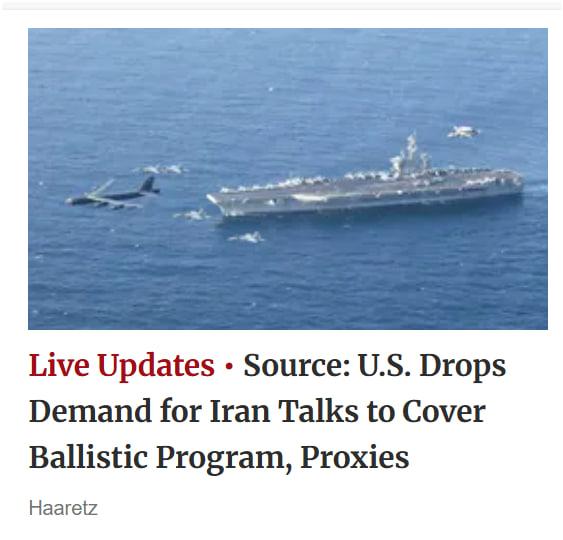
US-Iran Peace Deal Reopens Strait of Hormuz, Ends Naval Blockade, Defers Nuclear Talks
14 sources compared
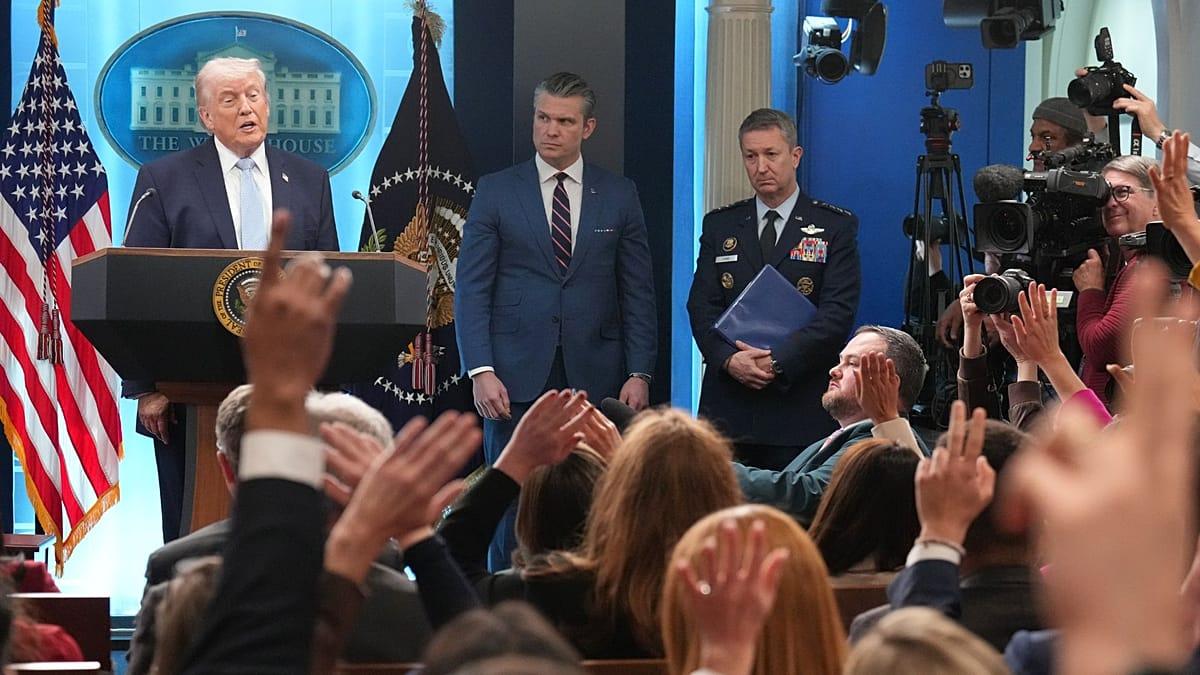
Trump And Iran Sign Memorandum, Reopen Strait Of Hormuz, Start 60 Days Of Nuclear Talks
14 sources compared