
Donald Trump Says US-Iran Deal Reopens Strait of Hormuz, Lifts Naval Blockade
Key Takeaways
- US and Iran reached a framework to end war and reopen the Strait of Hormuz.
- Officials expect toll-free Hormuz passage long-term, though some reports indicate potential fees.
- Signing ceremony in Geneva planned; framework signed electronically ahead of formal event.
Deal Signed, Hormuz Next
The United States and Iran said they have signed a digital memorandum of understanding to end the war and reopen the Strait of Hormuz, with President Donald Trump writing that "Ships are starting to move" through the waterway.
“United States President Donald Trump says “ships are starting to move” through the Strait of Hormuz as US officials maintain that a digital memorandum of understanding on an initial deal to end the US-Israel war with Iran has already been signed”
Trump said the ships are going along the Southern "Highway," and US officials maintained that the initial deal would see the Strait of Hormuz reopened, the US naval blockade on Iranian ports lifted, and fighting halted on all fronts.
The agreement is set to be officially signed in Switzerland on Friday, with the US and Iran announcing plans to hold a signing ceremony in Switzerland on Friday.
The Council on Foreign Relations said the United States and Iran reached an agreement on June 14 to settle a three-and-a-half month-long conflict that closed the Strait of Hormuz, and that the initial pact would start with reopening the Strait of Hormuz and then reportedly begin sixty days of negotiations about sanctions and Iran’s nuclear program.
In the same reporting, Iran’s deputy foreign minister Kazem Gharibabadi announced that "a permanent and immediate end to the war has been declared on all fronts."
Tolls, Fees, and Disputes
While Trump and US officials said the Strait of Hormuz would be opened without tolls, Iran’s foreign ministry spokesman Esmaeil Baghaei said the deal would allow fees for services rather than imposing "tolls."
Baghaei said, "We have always said that we are not looking to collect tolls, but we will design and collect the necessary fees for the services we will provide," including navigation services and ship insurance.

Vice President JD Vance told CNBC that the expectation is that the strait is going to be opened in a toll-free way for the long term, saying the issue would be resolved in technical negotiations.
The Council on Foreign Relations reported that Elisa Ewers said service fees and other mechanisms have been floated even if Iran may agree to not charge "tolls," and that how reopening is managed would be something to watch.
In a separate dispute over timing, Forbes said Iran’s state broadcaster IRIB reported there is "zero passage through the Strait of Hormuz" and it would be "closed until further notice."
Mines, Shipping, and Next Steps
Even as Trump claimed the Strait would be fully open by Friday, Reuters reporting through Al Jazeera said mine-sweeping operations could continue for 40 to 50 days before many insurance and shipping companies would be confident enough to permit passage through the waterway.
“The United States and Iran reached an agreement on June 14 to settle a three-and-a-half month-long conflict that has closed the Strait of Hormuz, sent shockwaves through global oil markets, and affected global growth projections”
The International Chamber of Shipping said about 500 ships are waiting to pass through the strait, with about 20,000 stranded crew, and the International Maritime Organization recorded 46 US and Iranian attacks on international shipping lines throughout the conflict.
France’s President Emmanuel Macron said France and the United Kingdom will lead a mission to coordinate the reopening, while the Council on Foreign Relations said the administration has indicated the memo will be released after a public signing ceremony in Geneva attended by Vice President JD Vance, Middle East special envoy Steve Witkoff, and Jared Kushner.
The Radio Free Europe/Radio Liberty report said the framework deal gives Washington and Tehran 60 days to negotiate a permanent settlement, including disputes over Iran's enriched uranium stockpile, and that the full text of the memorandum is set to be released publicly within 24 to 48 hours.
For the next phase, the Council on Foreign Relations warned that negotiations on outstanding issues, especially on Iran’s nuclear program, will be long and difficult, quoting Steven Cook saying, "Negotiations on the outstanding issues, especially on Iran’s nuclear program, will be long and difficult."
More on Iran

Donald Trump Says U.S. and Iran Reached Deal To Reopen Strait of Hormuz
21 sources compared
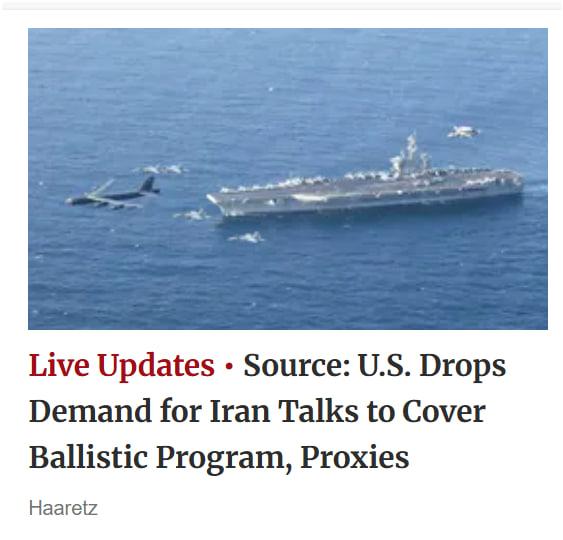
US-Iran Peace Deal Reopens Strait of Hormuz, Ends Naval Blockade, Defers Nuclear Talks
14 sources compared
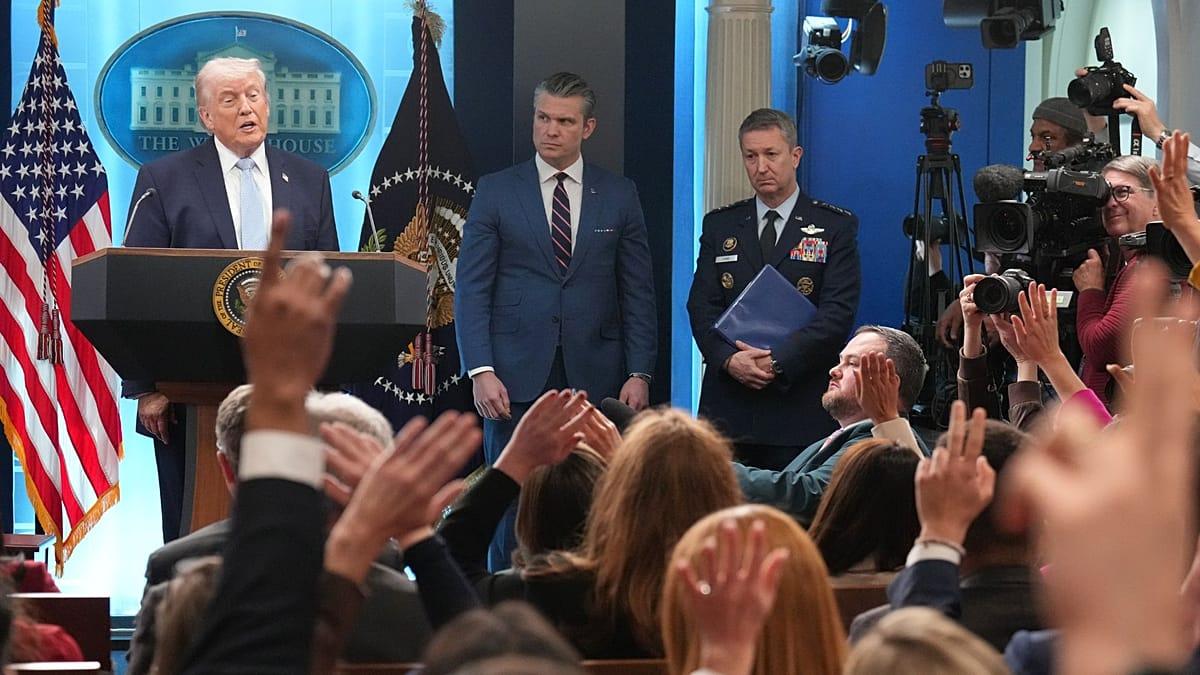
Trump And Iran Sign Memorandum, Reopen Strait Of Hormuz, Start 60 Days Of Nuclear Talks
14 sources compared
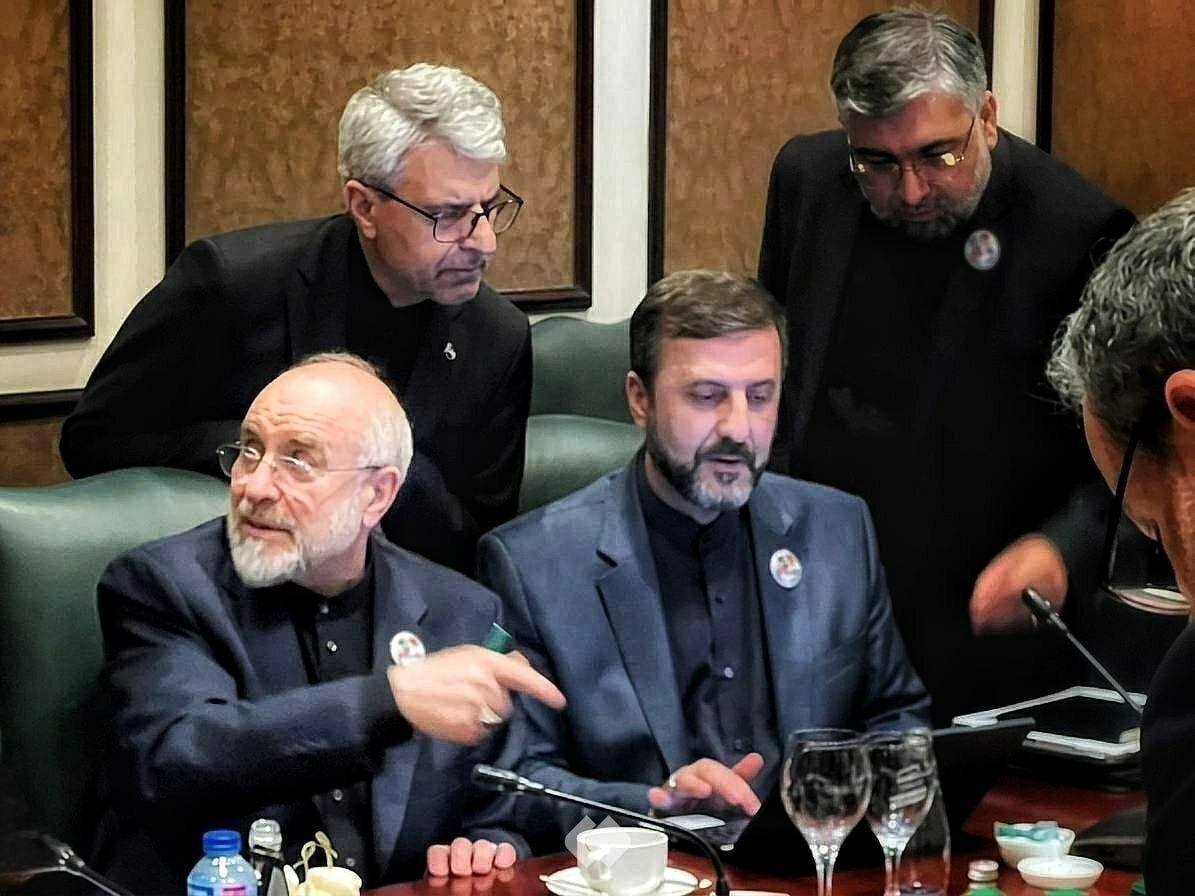
United States and Iran Reach Initial Deal To End War, Reopen Strait of Hormuz
16 sources compared