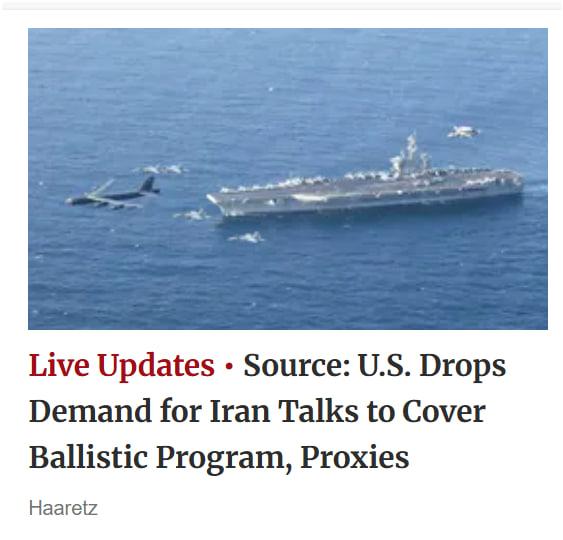
US-Iran Peace Deal Reopens Strait of Hormuz, Ends Naval Blockade, Defers Nuclear Talks
Key Takeaways
- End hostilities and reopen the Strait of Hormuz.
- Nuclear talks deferred; Tehran's nuclear program negotiations postponed.
- Signing ceremony planned in Switzerland to formalize the agreement.
Deal, ceasefire, Hormuz
The Guardian says the US-Iran peace deal reached late on Sunday is built around a return to the prewar status quo, with an immediate unwinding through the reopening of the strait of Hormuz and a deferral of negotiations on Iran’s nuclear programme.
“United States President Donald Trump has announced what he has described as a “great deal” to end the war with Iran as officials in Tehran and Washington outline an agreement that would bring an immediate halt to hostilities after more than 100 days of conflict”
The Guardian adds that Iranian negotiators will travel to Doha to work out implementation aspects before a signing ceremony on Friday in Geneva, and it notes that the city US negotiators left on 28 February was the day the war began.

Al Jazeera reports that Iran’s Supreme National Security Council said the deal includes an immediate suspension of military operations on all fronts, including in Lebanon, and that “the naval blockade against Iran will end immediately and completely,” as of Sunday.
Al Jazeera also says negotiations for a final agreement would continue for 60 days, while Trump urged ships stranded due to the Strait of Hormuz closure to “start their engines” as expectations grew that shipping through the waterway would resume.
The Guardian frames the earliest unconditional step as that the US lifts its blockade of Iranian ports, and it says Iran has agreed to reopen the strait of Hormuz to commercial shipping from Friday without restriction with traffic reaching pre-war levels within 30 days, subject to demining.
Skepticism and linkage
Al Jazeera says significant questions remain over whether Israel will abide by the agreement and what will be decided about Iran’s nuclear programme, sanctions relief, the future of the Strait of Hormuz and the fate of Iran’s regional allies, including Hezbollah.
It also quotes Israel’s Defence Minister Israel Katz saying: “Prime Minister Benjamin Netanyahu and I are pursuing a clear policy under which the [military] will remain in the security zones in Lebanon, Syria and Gaza for an unlimited period of time”.
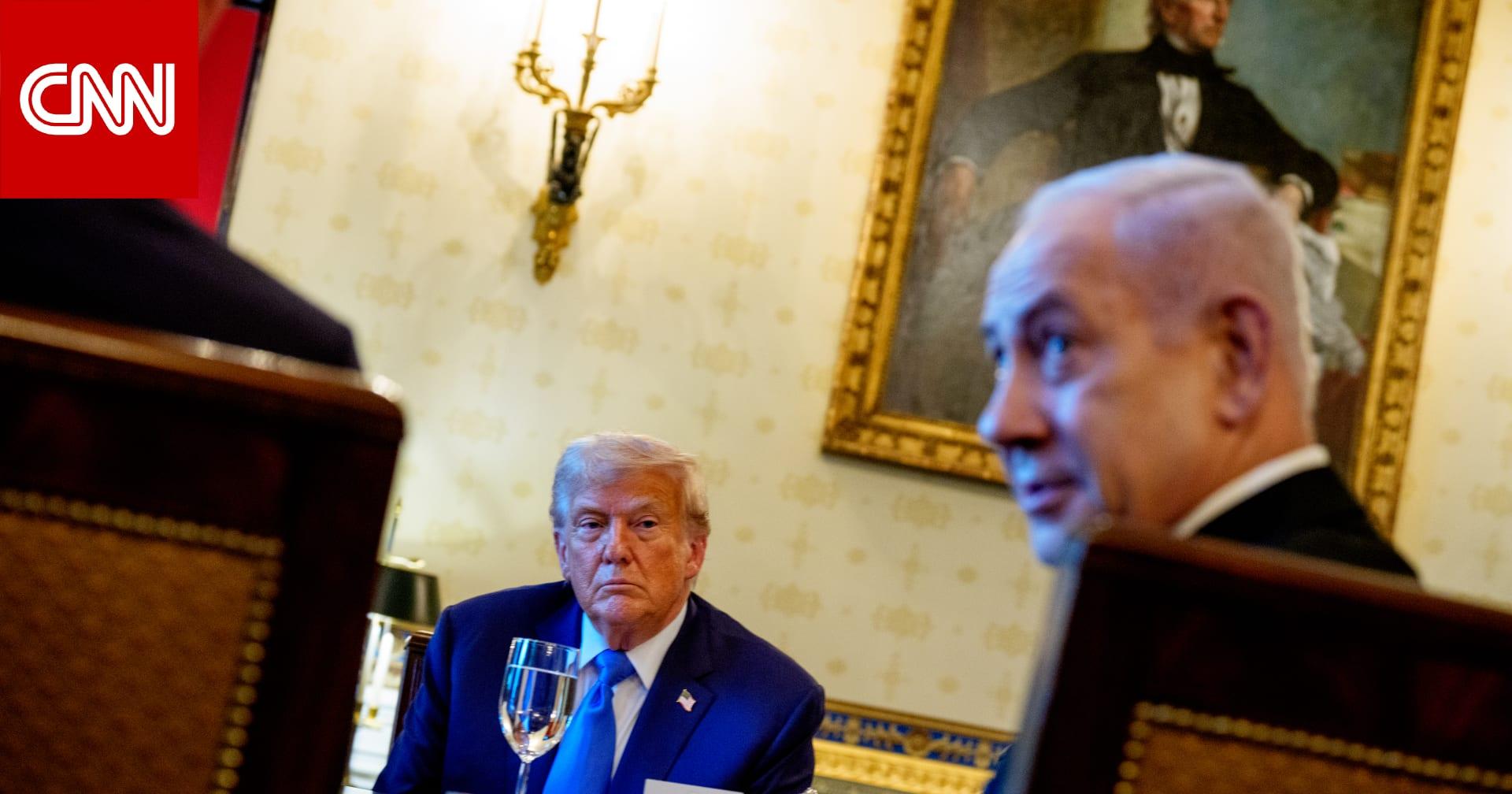
The Guardian warns that the earliest test of the agreement will be what Netanyahu does next in Lebanon, and it says Iran insisted that a ceasefire in Lebanon, protecting Hezbollah, was integral to the deal.
The Guardian further notes that “Iran overlooked Netanyahu’s last-minute efforts to upend the deal by relaunching attacks on south Beirut,” and it describes how Netanyahu’s defiance was forcing Trump into further concessions.
In parallel, MEMRI reports that Gulf press editorials questioned Iran’s sincerity and warned the Trump administration might fall into a sophisticated “Iranian trap,” particularly if the agreement focuses on reopening the Strait of Hormuz while ignoring Iran’s attacks on Gulf states, its missile arsenal, and its regional proxies.
Nuclear focus, missile dispute
The Indian Express says the memorandum of understanding is scheduled to be officially signed on Friday in Switzerland, and it reports that Mehr published what it described as draft contents of a 14-point memorandum, while neither government confirmed the details.
“The second round of nuclear talks between Iran and the United States ended on Tuesday, February 17 (28 Bahman) in Geneva, Switzerland”
The Indian Express adds that Mehr reported final negotiations would not begin before half of Iran’s frozen funds are released, Iran’s oil sanctions are suspended, and the naval blockade is lifted, and it says the terms require Washington to lift its naval blockade and allow the Strait of Hormuz to reopen within 30 days “under Iranian arrangements.”
CNN Arabic reports that Israeli sources told CNN Israel fears Trump may strike a deal that leaves Tehran’s nuclear program largely intact while ignoring issues such as ballistic missiles and Iran’s regional proxies.
CNN Arabic quotes an Israeli source warning that excluding ballistic missiles and Tehran’s proxy network from the talks is of utmost importance, and it says a partial deal that does not address some of Iran’s key capabilities while easing economic pressure could help stabilize the regime.
MEMRI, meanwhile, includes a Saudi state daily editor’s demand that Iran dismantle everything connected to uranium enrichment, the production of a nuclear bomb, and long-range ballistic missiles, and it frames the missile and proxy issues as central to the Gulf press skepticism about the agreement’s chances.
More on Iran

Donald Trump Says US-Iran Deal Reopens Strait of Hormuz, Lifts Naval Blockade
11 sources compared

Donald Trump Says U.S. and Iran Reached Deal To Reopen Strait of Hormuz
21 sources compared
Trump And Iran Sign Memorandum, Reopen Strait Of Hormuz, Start 60 Days Of Nuclear Talks
14 sources compared
United States and Iran Reach Initial Deal To End War, Reopen Strait of Hormuz
16 sources compared