
Donald Trump Says U.S. and Iran Reached Deal To Reopen Strait of Hormuz
Key Takeaways
- US and Iran reached an agreement to end war and reopen the Strait of Hormuz.
- Toll-free shipping through the Strait of Hormuz will begin.
- Trump announced the agreement; Iran officials confirmed it.
Deal announced, Hormuz set
President Donald Trump said the U.S. and Iran have reached a deal to reopen the Strait of Hormuz and end the U.S. naval blockade of Iranian ports, writing on Truth Social, "The Deal with the Islamic Republic of Iran is now complete," and authorizing "the toll free opening of the Strait of Hormuz."
“United States President Donald Trump has announced that a ceasefire deal with Iran has been agreed to and that toll-free shipping through the Strait of Hormuz will now begin”
NBC News reported that Trump’s announcement came alongside Iranian officials’ statements that warfare would cease "immediately and permanently from tonight" and that the naval blockade would end, while a signing was scheduled for Friday in Switzerland.

The framework deal was described by Reuters as scheduled to be officially signed on Friday in Switzerland and as a preliminary pact that sent oil prices falling while leaving the fate of Iran’s nuclear program to further negotiations.
Markets reacted immediately, with Reuters reporting Brent crude futures fell 4% in early trading on Monday and CNBC reporting U.S. crude oil futures dropped about 4.9% to close at $80.75 per barrel.
The agreement is also tied to Lebanon and other fronts, with Pakistani Prime Minister Shehbaz Sharif saying the pact included "the immediate and permanent termination of military operations on all fronts, including in Lebanon."
Conflicting steps, mine risk
Even as Trump said the strait would open after the agreement is signed on Friday, NBC News said it was unclear when the strait would be fully open and that Trump said the channel would open "upon the signing of the Deal on Friday, for purposes of mine removal."
CNN reported diverging views on what comes next after a signing ceremony on Friday, noting that Iran’s deputy foreign minister said negotiations would begin only once the U.S. releases billions in frozen funds while a U.S. official rejected the claim.
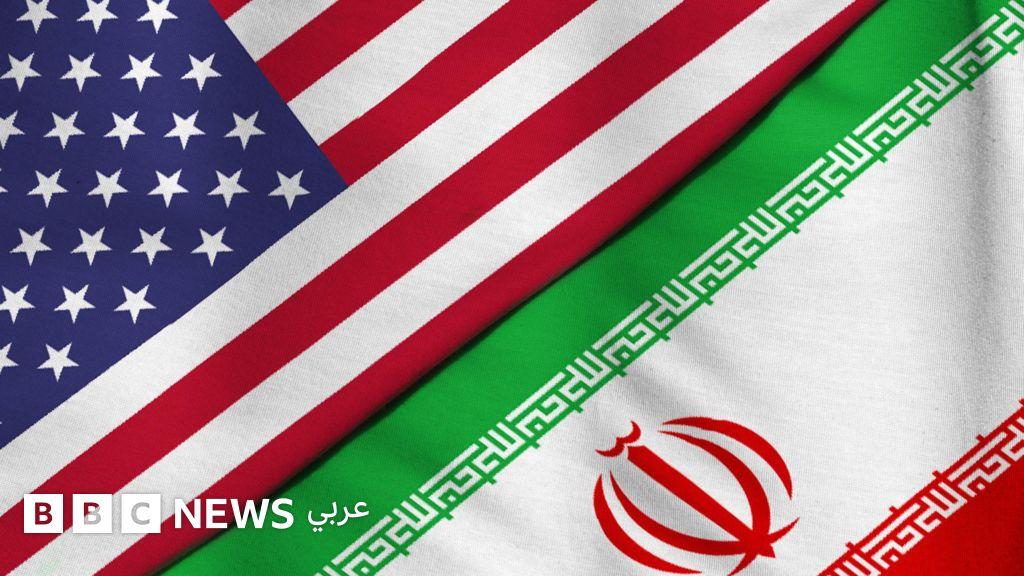
CNBC added that Iranian state media said Hormuz would be toll free for only 60 days and that Iran and Oman would administer the strait after that period, while Vice President JD Vance said the U.S. expectation is that Hormuz will remain toll free over the long term.
The mine question remained central for shipping, with CNBC citing Bimco’s Jakob Larsen warning that "we still consider it very risky for ships to commence transits at this point" and saying the threat of mines in Hormuz remained a major concern.
In parallel, Reuters reported that the U.S. military has not confirmed that Iran placed mines in the strait, while NBC News said the White House did not immediately respond to requests for comment.
Nuclear and sanctions at stake
The framework’s next phase is set for a 60-day window focused on nuclear weapons development, remaining sanctions, and United Nations Security Council and International Atomic Energy Agency Board of Governors’ resolutions regarding Iran, according to Reuters’ description of the memorandum of understanding.
“Oil prices tumbled nearly 5% Monday, after President Donald Trump said the U”
Reuters also said details released by Iran included that the nation agreed to not build a nuclear weapon and to reopen the maritime route if the U.S. releases $25 billion in frozen assets, while NBC News reported that the Iranian Secretariat of the Supreme National Security Council said U.S. commitments under the memorandum would have to be met before negotiations for a final agreement could begin.
NPR reported that the agreement extends the current U.S.-Iran ceasefire for 60 days and that the fate of Iran’s nuclear program remains unresolved for now, even as Trump said the deal’s all signed during a G7 meeting in France with French President Emmanuel Macron.
The stakes extend beyond energy prices to the broader conflict, because NBC News said the agreement was finalized despite an Israeli strike on Lebanon on Sunday that drew criticism from both Iran and Trump, and it described Israeli Defense Minister Israel Katz warning that Israeli forces will remain in the territory that Israel has seized in Lebanon, as well as in Gaza and Syria, "indefinitely."
With the Strait of Hormuz reopening tied to mine removal and safe passage, CNBC warned that "Due to lack of details and a history of overly optimistic reassurances" the security situation for shipping remained volatile, even as oil prices fell and markets rallied on hopes of an end to the energy supply disruption.
More on Iran

Donald Trump Says US-Iran Deal Reopens Strait of Hormuz, Lifts Naval Blockade
11 sources compared
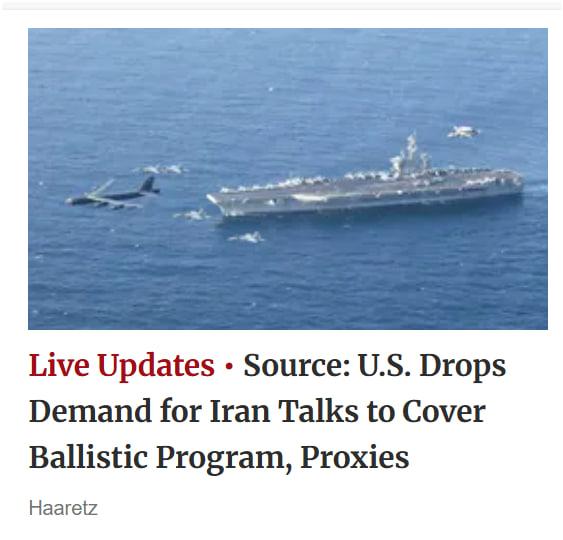
US-Iran Peace Deal Reopens Strait of Hormuz, Ends Naval Blockade, Defers Nuclear Talks
14 sources compared
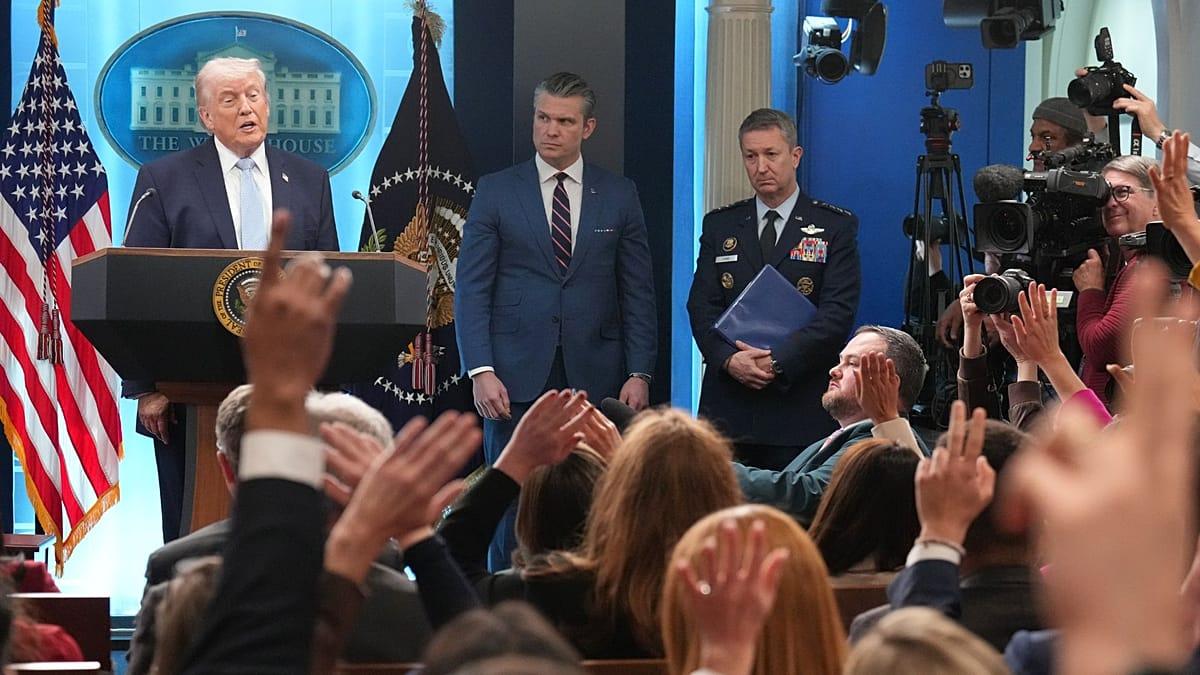
Trump And Iran Sign Memorandum, Reopen Strait Of Hormuz, Start 60 Days Of Nuclear Talks
14 sources compared
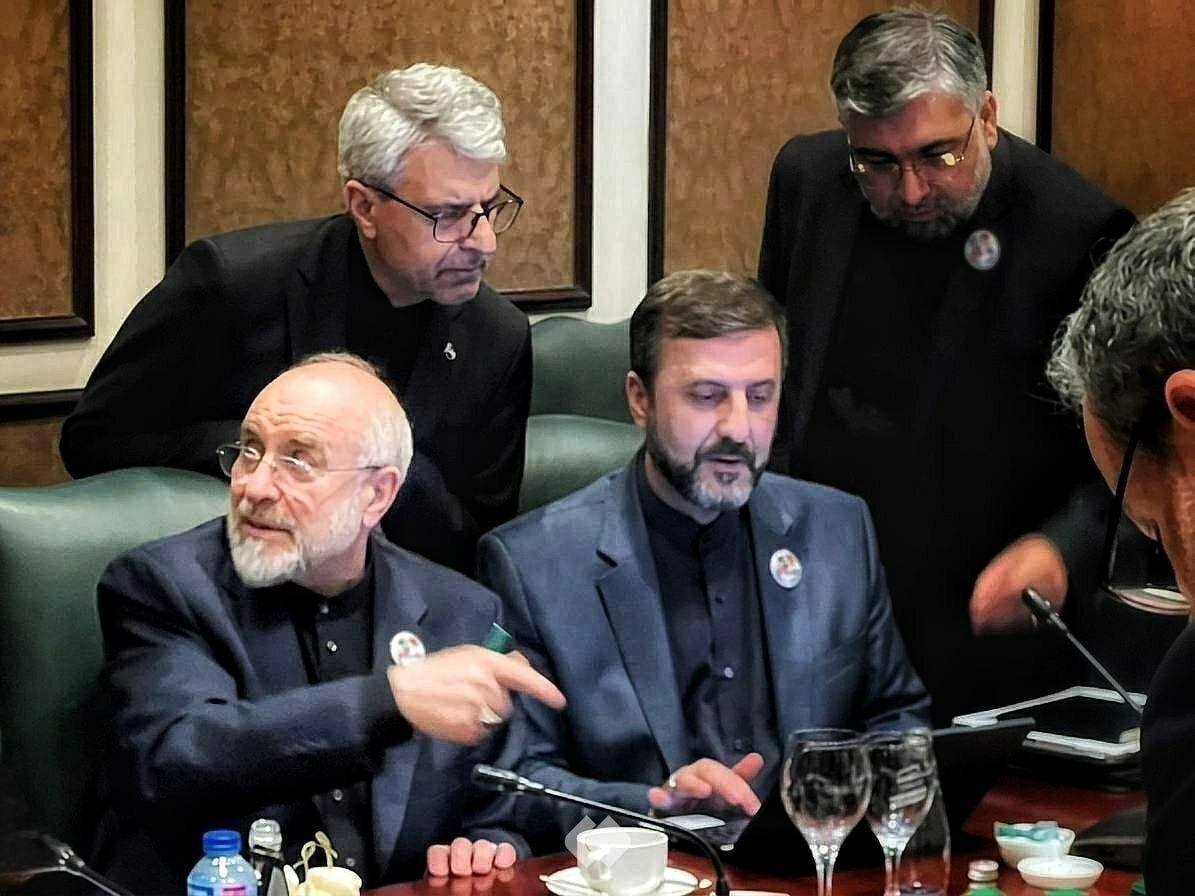
United States and Iran Reach Initial Deal To End War, Reopen Strait of Hormuz
16 sources compared