Full story
Disarmament vs Withdrawal
A U.S.-brokered Gaza framework announced by President Donald Trump centers on Hamas agreeing to disarm heavy weapons while Israeli forces withdraw from Gaza, but implementation hinges on unresolved sequencing questions about “genuine disarmament” and the timing of any pullback.
“there will be no IDF withdrawal from the current Yellow Line without the genuine disarmament of Hamas”
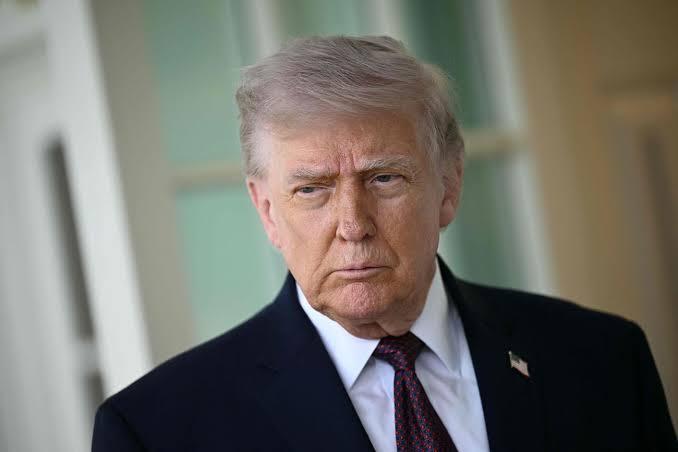
BBC reported that a senior Israeli official said today "there will be no IDF withdrawal from the current Yellow Line without the genuine disarmament of Hamas," as Trump spoke at Camp David and called the agreement "a big step for the Middle East" while acknowledging a "very complex situation".

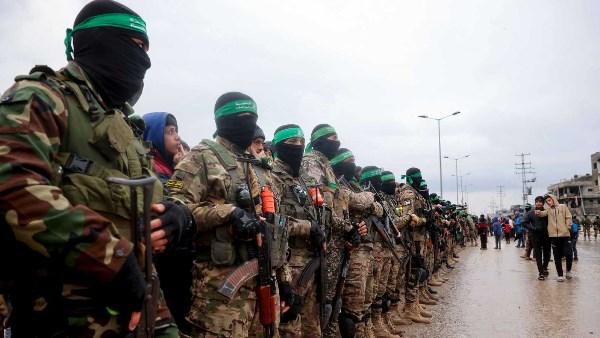
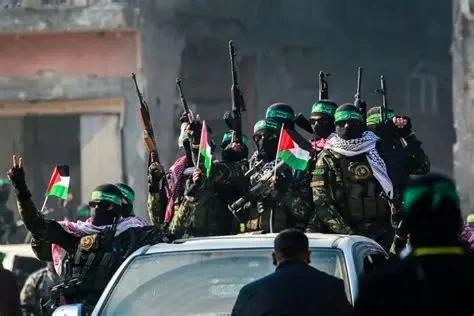
Hamas said Friday it will begin disarming as part of the deal but only if Israel halts strikes and withdraws from Gaza, while also tying later weapons handover to the creation of a Palestinian state that Israel’s current government rejects.
NBC News said the deal would be implemented in “carefully structured phases,” with Trump stating that “As disarmament is completed, Israeli forces will withdraw,” and with an International Stabilization Force working with a new Palestinian police force.
The Times of Israel reported that Israel demanded “the full disarmament of Hamas, including removal of the weaponry from Gaza and the complete demilitarization of the Strip as a condition for any process” of withdrawal, even as Trump claimed Israel was “very happy” with the proposal.
Competing Voices
Hamas officials framed the agreement as conditional on Israel’s actions, with CNN reporting that senior Hamas official Ghazi Hamad confirmed the group had reached an agreement to disarm only if Israel ceases fire, stops all targeted killings in Gaza, withdraws to the “Yellow Line” and allows a surge of humanitarian aid.
CNN also quoted Hamad saying, “We will not begin any weapons-related steps until Israel implements these commitments,” while the Board of Peace emphasized that Israel should cease military operations “without delay” at the same time as the peace plan is implemented.

Israel’s political leadership reacted sharply, and the Times of Israel reported that far-right National Security Minister Itamar Ben Gvir slammed the disarmament agreement as “unacceptable,” saying it was “tantamount to agreeing to Hamas organising for the next massacre.”
DW reported that Germany’s Foreign Minister Johann Wadephul welcomed the agreement and wrote that it is now crucial that Hamas “never again pose a threat to Israel,” adding that he hoped for real progress and more humanitarian access.
In the U.S. political framing, Trump told reporters at Camp David, “We do have an understanding with Israel,” and said, “Israel is very happy about it,” as the Hill described his remarks despite skepticism from a U.S. official about whether Hamas would disarm.
What Comes Next
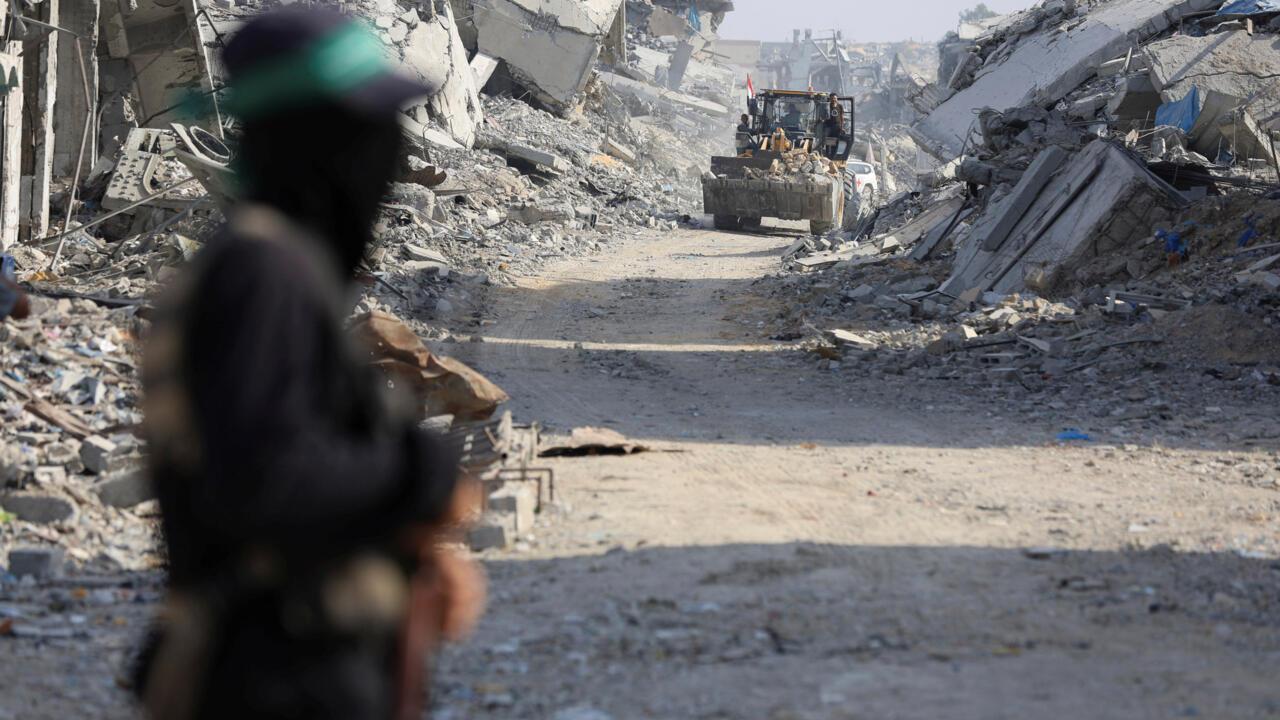
The roadmap described by the Board of Peace and U.S.-backed officials calls for a phased transfer of authority to a Palestinian technocratic committee known as the National Committee for the Administration of Gaza, with weapons-related steps linked to Israel’s withdrawal and decommissioning of Hamas tunnels and other infrastructure.
“Our focus now turns to implementation”
NBC News said a copy of the agreement obtained and verified by The Associated Press described how all weapons held by the Hamas-run police would be transferred to the U.S.-backed National Committee for the Administration of Gaza upon its arrival in the enclave, while a process to decommission and store heavy weapons, military production sites and tunnels would begin after the committee’s arrival and the deployment of international forces.
France 24 reported that the Board of Peace confirmed in a post on X that Hamas had “agreed to a detailed Roadmap for implementing the next phases of the Gaza ceasefire,” and that “Our focus now turns to implementation,” with the NCAG “soon begin a phased transition toward full authority.”
The Hill said Trump described the plan as a “conditions-based deal,” while a U.S. official told reporters that Israel was skeptical that Hamas would follow through with disarmament but that Hamas “isn’t really being asked to do much in the process.”
CNN added that Israel’s security cabinet approved on Sunday the deployment of a limited international stabilization force—200 troops from Morocco and Uganda—to enter a pilot zone in Rafah, with the Israeli official stressing that any further deployment would require specific approval from Israel.