
Donald Trump Announces Israel-Lebanon Ceasefire Extension By Three Weeks After White House Talks
Key Takeaways
- Israel-Lebanon ceasefire extended for three weeks.
- Extension announced after Oval Office meeting with Israeli and Lebanese ambassadors.
- Extension synchronized with start of second round of White House talks.
Ceasefire extended in Washington
President Donald Trump announced that the ceasefire between Israel and Lebanon would be extended by three weeks after talks in the White House, describing the meeting as “very historic” and saying it went “very well.”
“Skip to main content Updated 4 hours ago - World Israel-Lebanon ceasefire extended by three weeks, Trump says Barak Ravid email (opens in new window) sms (opens in new window) facebook (opens in new window) twitter (opens in new window) linkedin (opens in new window) bluesky (opens in new window) Add Axios as your preferred source to see more of our stories on Google”
In a post on Truth Social, Trump wrote, “The Ceasefire between Israel and Lebanon will be extended by THREE WEEKS,” and told reporters, “I think there’s a very good chance of having peace. I think it should be an easy one.”
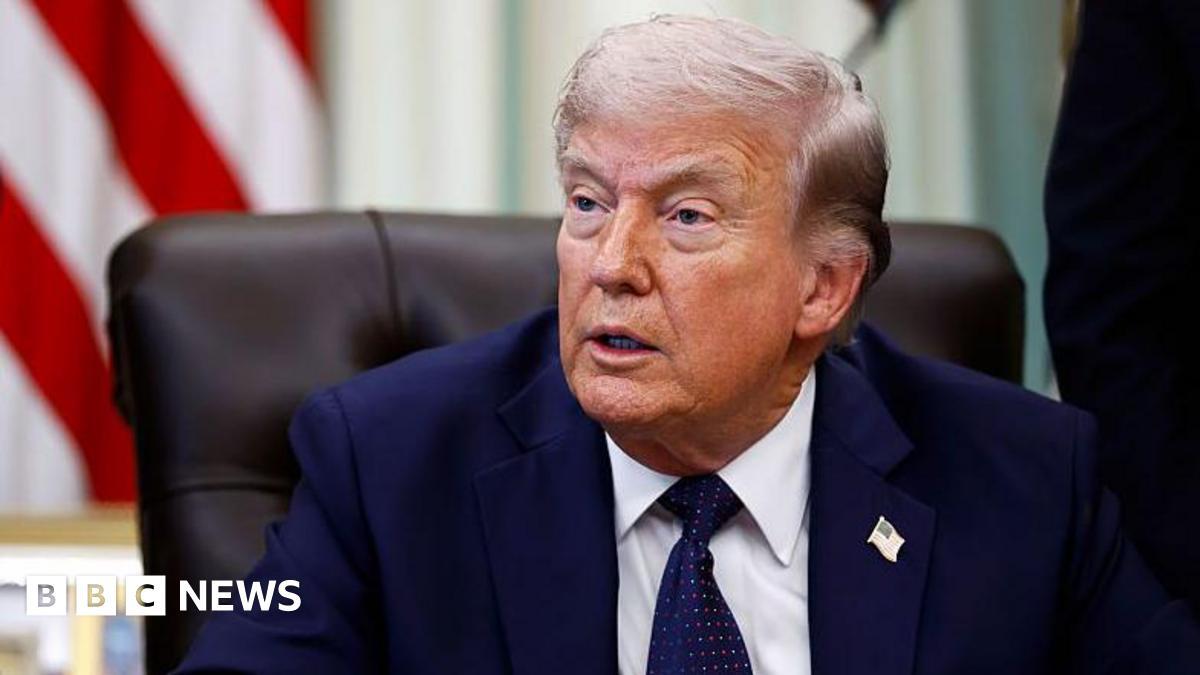
The BBC reported that the ceasefire extension came after the Israeli and Lebanese ambassadors met at the White House, where Trump announced the three-week extension to the existing 10-day ceasefire.
The BBC also quoted Israel’s ambassador to the United Nations, Danny Dannon, saying, “The Lebanese government have no control of Hezbollah,” and adding, “Hezbollah is sending rockets trying to sabotage the ceasefire, and Israel â we have to retaliate.”
The Jerusalem Post said Trump hosted “High Ranking Representatives of Israel and Lebanon in the Oval Office,” and quoted Trump’s Truth Social language that the meeting “went very well!” and that the United States would “work with Lebanon in order to help it protect itself from Hezbollah.”
The Detroit News similarly described Trump hosting Israel’s ambassador to Washington Yechiel Leiter and Lebanese ambassador to the U.S. Nada Moawad in the Oval Office for a second round of U.S.-facilitated talks, with Vice President JD Vance, Secretary of State Marco Rubio, U.S. Ambassador to Israel Mike Huckabee, and U.S. Ambassador to Lebanon Michel Issa also attending.
Timeline, conditions, and friction
The ceasefire being extended had originally come into effect on April 16 and was initially set to last for 10 days, according to the South China Morning Post, which said the extension was expected to smooth “some pain points” in Washington’s truce with Tehran.
The BBC likewise said the ceasefire was a 10-day truce that Trump extended by three weeks, and it framed the extension as part of negotiations between Lebanon and Israel in Washington DC.

Axios described the initial 10-day ceasefire as something Trump announced “last week,” and said the U.S. wanted to extend it for two reasons: “to advance direct Israel-Lebanon peace talks and to prevent renewed fighting from undermining the effort to reach a deal with Iran.”
The Detroit News reported that the ceasefire “has yielded a significant reduction in violence,” while also stressing that “attacks have continued in southern Lebanon, however,” where Israeli troops had seized a self-declared buffer zone.
France 24 said the extension was agreed “despite continued strikes in the south,” and it reported that the death toll rose, including journalist Amal Khalil.
Multiple outlets tied the fragile ceasefire to ongoing military activity: the BBC said Israel’s air force intercepted several projectiles launched from Lebanon with sirens sounding in the Shtula area, and the Israeli military later said it had struck the launcher that fired rockets at Shtula.
The Jerusalem Post added that as talks began, the IDF intercepted several rockets launched by Hezbollah terrorists towards Israel on Thursday night, and said there were no injuries, while also describing a Lebanese proposal to extend the 10-day ceasefire and halt Israeli demolition operations in villages and towns in southern Lebanon.
In the background of the diplomacy, the Detroit News and France 24 both traced the renewed hostilities to March 2, when Hezbollah opened fire in support of Iran, and they described the ceasefire as separate from Washington’s efforts to resolve its conflict with Tehran.
Hezbollah, Lebanon, and U.S. messaging
The extension announcement was accompanied by sharply different assessments of whether the truce could hold, with Hezbollah and Lebanese officials pressing for compliance while Israel and U.S. officials emphasized defense and enforcement.
“Watch CBS News Copyright ©2026 CBS Interactive Inc”
The BBC quoted Danny Dannon saying, “The Lebanese government have no control of Hezbollah,” and warning that “Hezbollah is sending rockets trying to sabotage the ceasefire, and Israel â we have to retaliate.”
The BBC also reported that Dannon said, “Itâs not 100%,” and that he hoped “to see that the Lebanese military are actually able to implement and to enforce this ceasefire.”
Hezbollah’s position was presented through its Telegram statements and through Hezbollah lawmaker Hassan Fadlallah, who told a televised press conference that the group wanted the ceasefire to continue but “on the basis of full compliance by the Israeli enemy.”
France 24 reported that Fadlallah reiterated Hezbollah’s objections to direct talks and called on the government to “stop all forms of direct communication with the enemy.”
The Detroit News said Fadlallah urged the government to cancel all forms of direct contact with Israel, and it quoted him again on Hezbollah’s conditions, including that full compliance meant Israel must “halt assassinations, completely cease fire ... halt the destruction of villages,” followed by paving the way for an Israeli withdrawal through “procedures undertaken by the Lebanese state but not via direct negotiations.”
In parallel, Trump framed the U.S. role as helping Lebanon protect itself from Hezbollah, writing, “The United States is going to work with Lebanon in order to help it protect itself from Hezbollah,” and telling reporters, “Well, we've just got to work with them â I mean, we have a good relationship with Lebanon.”
Axios reported Trump’s remarks that “The Meeting went very well!” and that the U.S. would “work with Lebanon in order to help it protect itself from Hezbollah,” while also quoting Trump’s expectation to host Israeli Prime Minister Benjamin Netanyahu and Lebanese President Joseph Aoun “in the near future.”
Competing frames and diplomatic linkage
Different outlets framed the same ceasefire extension through distinct lenses, especially regarding how closely the Lebanon track was tied to the broader U.S.-Iran conflict and what the extension was meant to achieve.
The South China Morning Post said the ceasefire extension was expected to smooth “some pain points” in Washington’s “shaky truce with Tehran,” while the BBC described the extension as an attempt to stem renewed fighting and said any settlement was “highly ambitious” and involved a demand for the disarmament of Hezbollah.
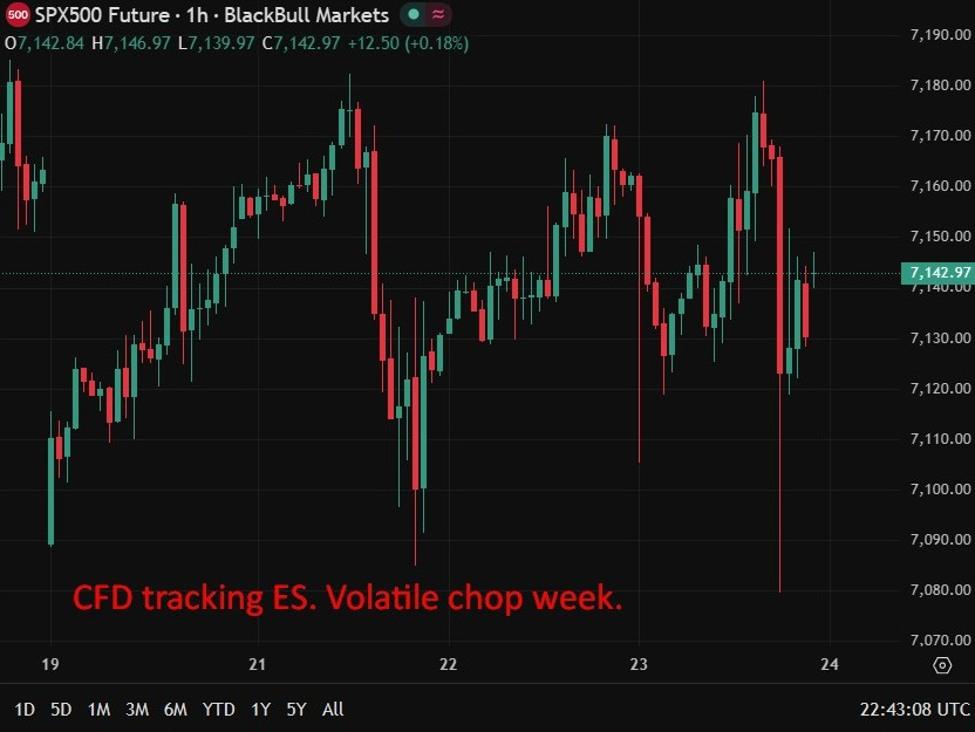
Axios, by contrast, said the U.S. wanted to extend the Lebanon ceasefire for two reasons—advancing direct Israel-Lebanon peace talks and preventing renewed fighting from undermining efforts to reach a deal with Iran—while also describing the tracks as “officially separate.”
The BBC reported Danny Dannon’s view that the Lebanese government had no control of Hezbollah and that Hezbollah was sending rockets to sabotage the ceasefire, while the Jerusalem Post emphasized Trump’s “major, historic moment” language and presented the meeting as a step toward formalizing peace, quoting Huckabee that “The problem is Hezbollah.”
The Washington Post’s text said the 10-day ceasefire “due to expire Sunday, will be extended for three weeks,” and it said the announcement came during the second round of peace talks at the White House.
Meanwhile, the Al Jazeera report stressed American optimism about a future trilateral meeting that would include Joseph Aoun and Benjamin Netanyahu, while noting that Lebanese officials ruled out such an outcome due to Israel’s occupation of “6% of Lebanese territory” and continued airstrikes.
The Detroit News and France 24 both described the extension as coming after Israeli strikes killed at least five people including journalist Amal Khalil, but they differed in emphasis: the Detroit News highlighted the ceasefire’s “significant reduction in violence” alongside continued attacks in the buffer zone, while France 24 emphasized that the extension was “despite continued strikes” and that the death toll rose.
Across the coverage, the outlets also diverged on how to interpret the U.S. mediation: the Detroit News said Washington denied any link between its Lebanon mediation and diplomacy over the Iran war, while Hezbollah said the Lebanon ceasefire was the result of Iranian pressure rather than U.S. mediation.
Deadlines, casualties, and next steps
The extension did not end fighting, and several outlets described Lebanon’s deadliest day since the ceasefire took effect on April 16, with casualties including journalist Amal Khalil.
“Trump announces Lebanon-Israel ceasefire extended three weeks (earlier news on this here) after Oval Office talks”
The Detroit News reported that Wednesday was Lebanon’s deadliest day since the ceasefire took effect on April 16 and said the deaths included Lebanese journalist Amal Khalil, “according to a senior Lebanese military official and her employer, Al-Akhbar newspaper.”

France 24 similarly said Wednesday saw the highest death toll in Lebanon since the ceasefire took effect on April 16 and reported that Amal Khalil, who worked for Al-Akhbar, was among the victims.
The investingLive report said Wednesday was Lebanon’s deadliest day since the ceasefire took effect on April 16 and that “five killed including a journalist Amal Khalil” occurred despite the April 16 truce, while also stating that Hezbollah confirmed it carried out four operations in southern Lebanon on Wednesday in response to Israeli strikes.
The BBC reported that Israel’s military said its air force intercepted several projectiles launched from Lebanon with sirens sounding in the Shtula area, and it said the Israeli military later struck the launcher that fired rockets at Shtula.
The Jerusalem Post said the IDF intercepted several rockets launched by Hezbollah terrorists towards Israel on Thursday night and that there were no injuries, while also describing a Lebanese proposal to extend the 10-day ceasefire and a halt to Israeli demolition operations in villages and towns in southern Lebanon.
Looking ahead, the Detroit News said Beirut wanted a ceasefire extension as a prerequisite for talks to expand beyond ambassadorial level to a next phase in which Lebanon would push for an Israeli withdrawal, the return of Lebanese detainees, and a delineation of the land border.
France 24 reported that Lebanese authorities said Beirut would condition extending the ceasefire as a prelude to talks beyond ambassadorial level, where Lebanon intended to push for withdrawal, return of Lebanese detainees, and delineation of the land border.
Hezbollah lawmaker Hassan Fadlallah insisted that full compliance required Israel to stop assassinations, completely cease fire, and halt destruction of villages, and he urged the government to “stop all forms of direct communication with the enemy,” according to France 24 and the Detroit News.
In parallel, Axios reported that Lebanese officials said a trilateral meeting was unlikely as long as Israel was occupying “6% of Lebanon's territory” and continuing to conduct strikes there despite the ceasefire, and it said Trump looked surprised when asked about the Lebanese law barring contacts with Israel and told officials, “we have to end that.”
More on Lebanon

Hezbollah Drone Attack Injures Israeli Reservist as Israel Strikes Southern Lebanon
11 sources compared

Hezbollah Drone Attack Wounds Israeli Reservist as Rockets Strike Upper Galilee
12 sources compared

Hezbollah Kills Two Israeli Soldiers After Bulldozer Strike In Southern Lebanon
99 sources compared
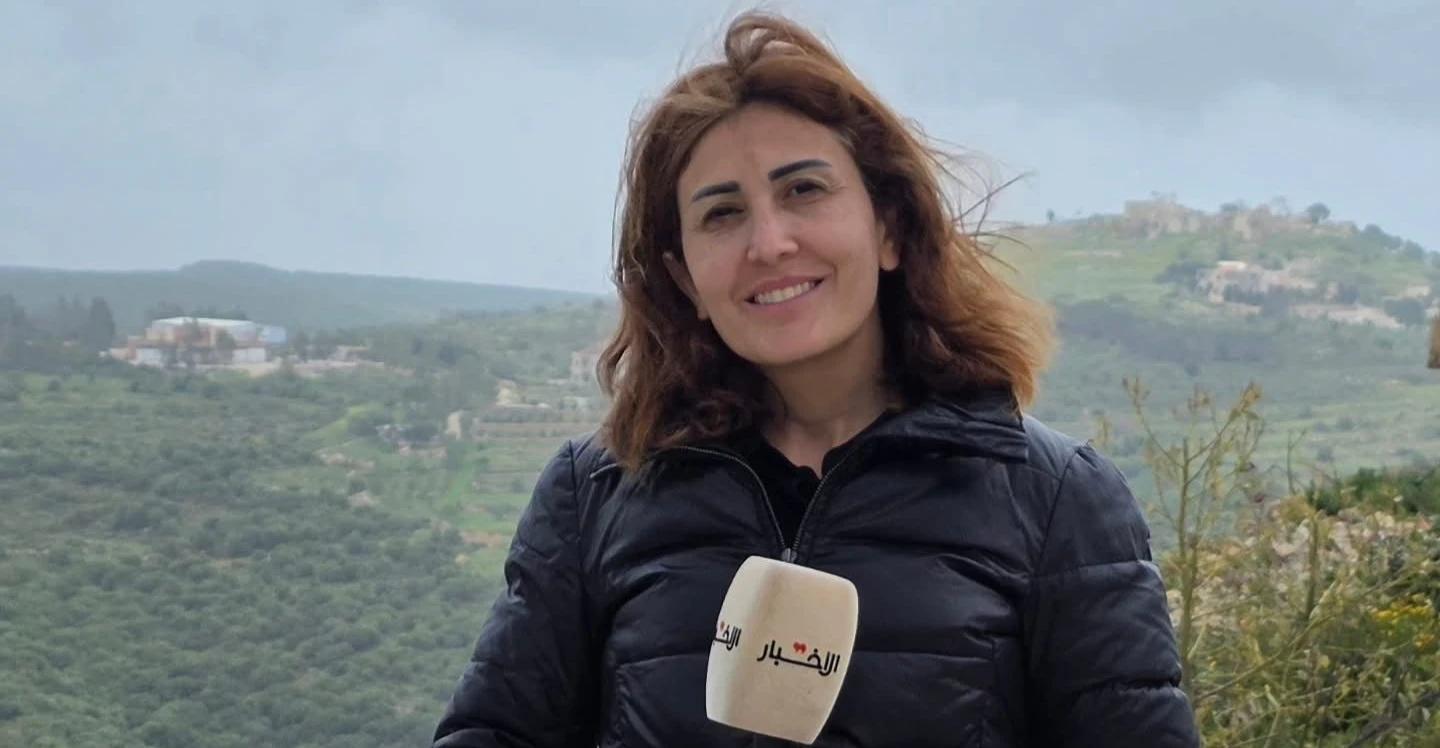
Israeli Strikes Kill At Least Four In At-Tiri, Lebanon, Leaving Journalist Amal Khalil Trapped
17 sources compared