
Iran FM Abbas Araghchi Meets Pakistan PM Shehbaz Sharif as Trump Cancels Envoys
Key Takeaways
- Iranian Foreign Minister Abbas Araghchi meets Pakistan PM Shehbaz Sharif, outlines framework to end war.
- Trump cancels US envoys' Pakistan trip as Araghchi leaves Islamabad, stalling Iran talks.
- Pakistan mediators, including the army chief, continue push to revive stalled US-Iran discussions.
Pakistan hosts, talks stall
Iran’s foreign minister Abbas Araghchi met Pakistan’s prime minister Shehbaz Sharif in Islamabad as an Iranian delegation led by Araghchi outlined its proposal to Pakistani mediators as part of efforts to revive direct negotiations with the US, Al Jazeera reported.
The Guardian said Araghchi left Islamabad late on Saturday, shortly after Trump told US envoys not to go to Pakistan for more talks with Iran, adding to Fox News: “They can call us anytime they want.”

NBC News described the diplomatic effort as fading, saying Araghchi flew back to the Middle East from mediation talks in Pakistan over the weekend while Trump scrapped a planned visit to Islamabad by envoys Steve Witkoff and Jared Kushner.
The Hill reported that Trump announced an extension of the ceasefire with Iran until Tehran provides a unified proposal, after a direct appeal from Shehbaz Sharif and Pakistan’s powerful military leader Asim Munir.
WTOP likewise said Trump told his top envoys Steve Witkoff and Jared Kushner not to travel to Pakistan to negotiate with Iran, and said Iran’s President Masoud Pezeshkian told Shehbaz Sharif that the US “should first remove operational obstacles, including the blockade.”
Multiple outlets tied the stalled talks to the same core dispute: the US blockade of Iranian ports and Iran’s grip on the Strait of Hormuz, with the Guardian saying the economic fallout grows as global shipments of oil, liquefied natural gas, fertilizer and other supplies are disrupted by the near-closure of the strait.
NBC News added that Tehran has largely closed the Strait of Hormuz while Washington has imposed a blockade of Iran’s ports, and said no agreement has been reached on terms to end a war that began with U.S.-Israeli strikes on Iran on February 28.
Red lines, blockade, and oil
Across the reporting, the ceasefire’s pause in fighting did not translate into agreement because both sides linked negotiations to the maritime and energy standoff around the Strait of Hormuz.
The Guardian said an open-ended ceasefire has paused most fighting, but “the economic fallout grows with global shipments of oil, liquefied natural gas, fertilizer and other supplies disrupted by the near-closure of the strait of Hormuz.”

It also said Iran attacked three ships this week while the US maintains a blockade on Iranian ports, and quoted Trump ordering the military to “shoot and kill” small boats that could be placing mines.
Fortune and KSL TV 5 both described Trump’s cancellation of the envoys’ trip as tied to his view that the Iranian offer was inadequate, with Fortune quoting Trump: “If they want to talk, all they have to do is call!!!” and NBC News adding that Trump said Iran “offered a lot, but not enough.”
WTOP and NBC News both reported Iran’s refusal to negotiate while the US imposes a blockade on its ports, with WTOP attributing the position to Masoud Pezeshkian telling Shehbaz Sharif that the US “should first remove operational obstacles, including the blockade,” to allow a new round of negotiations.
The Guardian further framed the trust problem by saying Iranian officials have openly asked how they can trust the US after talks last year and early this year over Tehran’s nuclear program ended with it being attacked by the US and Israel.
The Hill added that the first round of talks in Islamabad lasted more than 20 hours and that Trump imposed a naval blockade in the Strait of Hormuz, while the standoff continued to ripple through maritime trade, including through the Panama canal, according to The Guardian.
In the background of the diplomacy, the Guardian also said Iran resumed commercial flights from Tehran’s international airport for the first time since the war began with US and Israeli strikes two months ago, with flights scheduled to depart for Istanbul, Oman’s capital of Muscat and the Saudi city of Medina.
Voices: Trump, Pezeshkian, Araghchi
The diplomatic breakdown was accompanied by sharp, public statements from Washington and Tehran, with Pakistan acting as the conduit.
The Guardian reported that Trump told Fox News: “They can call us anytime they want,” shortly after Tehran’s top diplomat left Islamabad late on Saturday, and said the White House on Friday had named Steve Witkoff and Jared Kushner to travel to Pakistan’s capital to attempt to revive ceasefire negotiations.
WTOP echoed Trump’s message, saying he told his top envoys not to travel to Pakistan to negotiate with Iran and again quoting: “they can call us any time they want.”
On the Iranian side, WTOP said Iran’s President Masoud Pezeshkian told Shehbaz Sharif during a phone call Saturday night that the U.S. “should first remove operational obstacles, including the blockade,” to allow a new round of negotiations, according to ISNA and Tasnim news agencies.
NBC News added that Pezeshkian told Pakistani Prime Minister Shehbaz Sharif that Tehran would not enter “imposed negotiations” under threats or blockade, and said the Iranian president told the US to remove obstacles, including its maritime blockade, before negotiators could begin laying the groundwork for a settlement.
Al Jazeera described Araghchi’s role in the mediation as Iran outlining its proposal to Pakistani mediators, while Anadolu Ajansı said Araghchi met Pakistan’s army chief Field Marshal Asim Munir in Islamabad on Saturday and that the meeting was attended by Pakistan’s Interior Minister Mohsin Naqvi, National Security Adviser and head of Inter-Services Intelligence Lt. Gen. Asim Malik, Iranian Foreign Ministry spokesperson Esmaeil Baghaei, and Iran’s ambassador Reza Amiri Moghadam.
In the same reporting stream, The Hill quoted Pakistani senator Mushahid Hussain telling The Hill that “He doesn’t blink in the face of pressure,” and said Trump was impressed by “Field Marshal Asim Munir and Pakistanis are generally affable, relaxed, backslapping kind of folks.”
The Hill also quoted Hussain saying Trump loves winners and added Trump’s remark: “Who are these Pakistanis? It’s a small country, and they’ve clobbered the Indians, this puny little country, which has got the atom bomb also, beat the hell out of the Indians in this encounter.”
How outlets frame the same rupture
While the core facts of the stalled diplomacy were shared, the outlets emphasized different angles: the immediate cancellation, the underlying leverage, or the broader mediation landscape.
NBC News framed the moment as hopes of a diplomatic breakthrough fading, saying “efforts to revive talks stalled and both Tehran and Washington showed little sign of softening their positions,” and described the cancellation as Trump scrapping the planned visit by Witkoff and Kushner after Araghchi returned from Pakistan.

The Guardian, by contrast, placed the cancellation in a wider strategic and economic context, linking it to the near-closure of the Strait of Hormuz and the disruption of “global shipments of oil, liquefied natural gas, fertilizer and other supplies,” while also detailing military posture such as Trump’s “shoot and kill” order for small boats and Germany’s defense minister Boris Pistorius sending minesweeper ships to the Mediterranean.
The Hill leaned into Pakistan’s role, describing a “rapid turn from pariah to linchpin in Iran peace talks,” and said the ceasefire extension came after a direct appeal from Shehbaz Sharif and Asim Munir, with Mushahid Hussain telling The Hill: “He doesn’t blink in the face of pressure.”
WTOP presented the same cancellation as a sequence of statements and conditions, saying Trump told envoys not to travel after Iran’s top diplomat left Islamabad, and then quoting Pezeshkian’s demand that the US remove the blockade before negotiations.
The Times of India described the diplomatic push as “No Iran-US peace talks 2.0!” and said Iran handed over an “official list of demands” to Pakistan for communication to the US and its allies, while also quoting Trump’s Fox News line about not making “an 18 hour flight” and his Truth Social post about “tremendous infighting and confusion.”
Middle East Monitor similarly emphasized Araghchi’s claim that Iran shared a “workable framework” with Pakistan aimed at permanently ending the US war, quoting Araghchi’s X post: “We shared Iran’s position concerning a workable framework to permanently end the war on Iran.”
Finally, BBC Arabic framed the episode as part of a changing mediation landscape, saying negotiations were hosted by Pakistan’s capital with a joint mediation described as originating from Pakistan and as indirect mediation from Egypt and Turkey, and quoting Ahmed Kandil defining “middle powers” as “regional powers that influence their geographic surroundings, without having a global reach comparable to powers like the United States or China.”
Stakes: ceasefire, casualties, next steps
The diplomatic standoff carried immediate stakes for regional security and for the continuation of the ceasefire, with multiple outlets tying the negotiations to a wider war that has already killed thousands.
The Guardian said “Since the war began, authorities say at least 3,375 people have been killed in Iran and more than 2,490 people in Lebanon,” and added that “Additionally, 23 people have been killed in Israel and more than a dozen in Gulf Arab states,” while listing deaths including “Fifteen Israeli soldiers in Lebanon, 13 U.S. service members in the region and six members of the UN peacekeeping force in southern Lebanon.”

It also said Trump announced on Thursday that Israel and Lebanon had agreed to extend a ceasefire between Israel and Hezbollah by three weeks, and that Hezbollah has not participated in the Washington-brokered diplomacy.
NBC News said the ceasefire paused full-scale fighting but that no agreement has been reached on terms to end a war that has “killed thousands, driven up oil prices, fuelled inflation and darkened the outlook for global growth,” and it described the Strait of Hormuz as carrying “a fifth of global oil and liquefied natural gas shipments.”
WTOP added that the initial 10-day ceasefire had been due to expire Monday, and said the Trump administration was placing economic sanctions on a major China-based oil refinery and roughly 40 shipping companies and tankers involved in transporting Iranian oil.
The Guardian also described a military escalation posture, saying Trump ordered the military to “shoot and kill” small boats placing mines, and said Germany’s Boris Pistorius stated his country is sending minesweeper ships to the Mediterranean to help remove Iranian mines from the strait of Hormuz once hostilities end.
In parallel, BBC Arabic described the mediation process itself as evolving, noting that negotiations were not under UN auspices or in a European capital, and that “Middle Powers” were leading as major powers receded, according to experts and analysts interviewed by BBC.
Looking ahead, NBC News said Araghchi nevertheless described his visit to Pakistan as “very fruitful,” and reported he held talks in Oman with Haitham bin Tariq al-Said and was due to visit Russia next, while The Hill said Trump signaled the second round of negotiations could occur as soon as Friday.
Even as the diplomatic channel narrowed, the outlets showed that the next moves were still framed around whether the US blockade would be lifted and whether Iran would accept “indirect” negotiations through Pakistan, with The Guardian saying Iran would engage with Pakistan’s mediation efforts “until a result is achieved.”
More on Iran

Netanyahu Orders IDF To Vigorously Strike Hezbollah Targets In Lebanon
17 sources compared
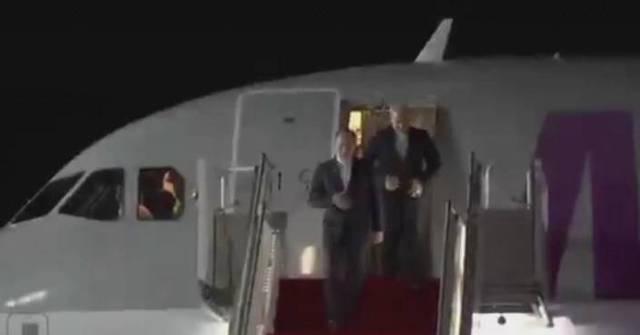
Iranian Foreign Minister Abbas Araghchi Meets Oman’s Sultan Haitham bin Tariq in Muscat
14 sources compared
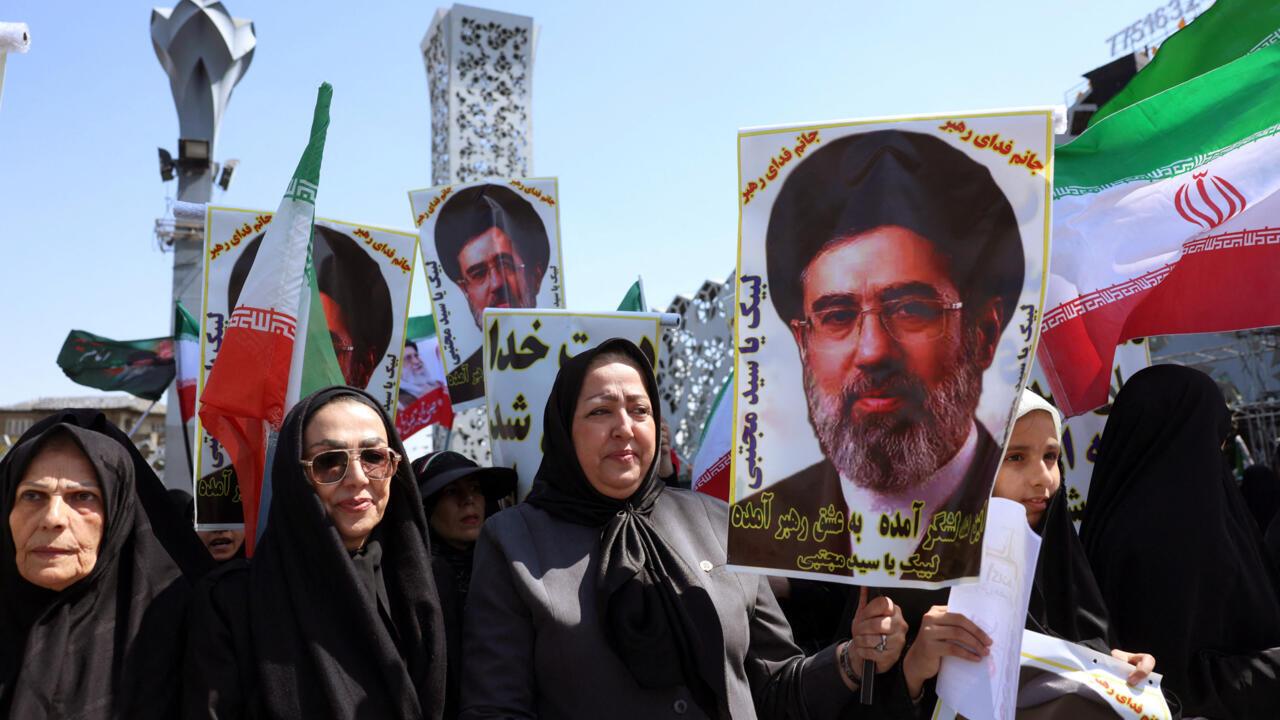
IRGC Calls The Shots In Iran As Mojtaba Khamenei Stays Out Of Public View
10 sources compared
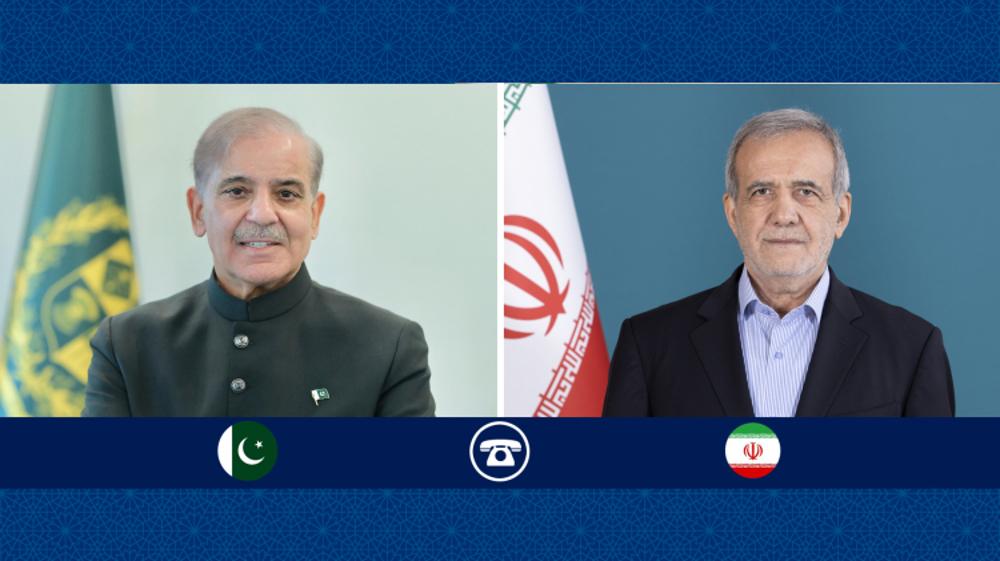
Masoud Pezeshkian Says Iran Won’t Enter Imposed U.S. Talks Under Pressure, Threats, Blockade
22 sources compared