Full story
Disarmament vs Withdrawal
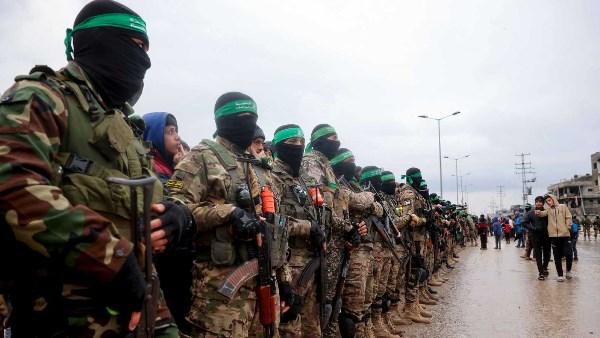
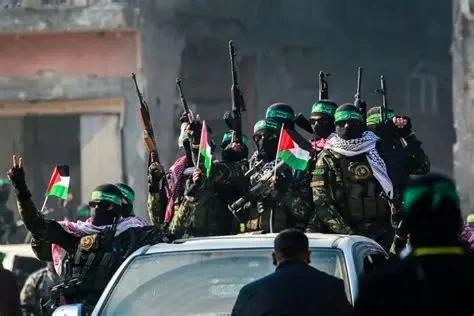
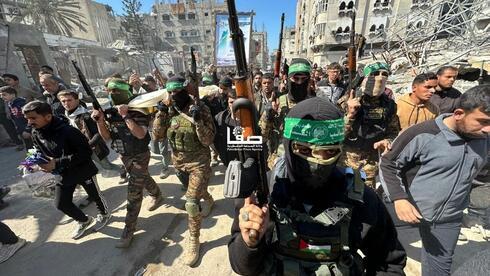
President Donald Trump said his Board of Peace reached a “historic agreement” for Hamas and other armed groups in Gaza to disarm, while the sequencing dispute over whether Israel withdraws first or Hamas disarms first remains unresolved.
“Israel demands the complete disarmament of Hamas, including the removal of weapons from Gaza”
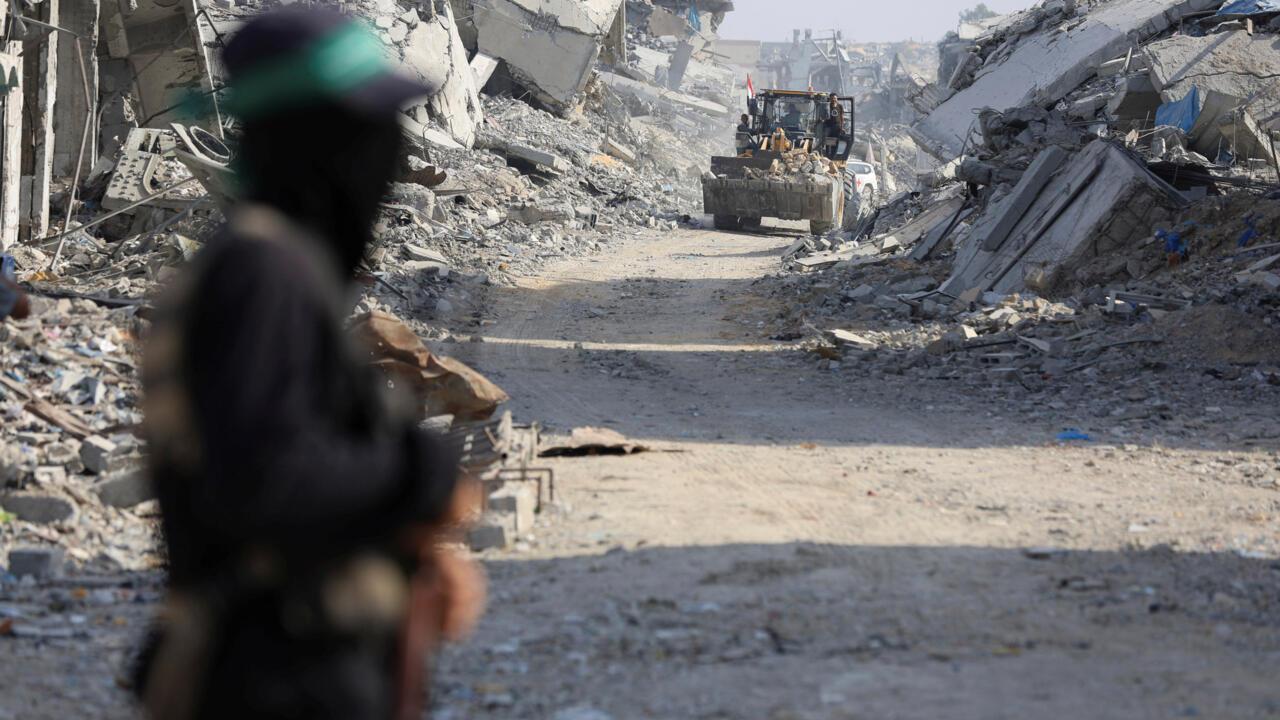
Hamas negotiator and political echelon leader Ghazi Hamad told Al Jazeera, “We will not take any action regarding disarmament prior to Israel’s withdrawal from the strip.”

An Israeli official told Reuters that “Israel demands the complete disarmament of Hamas, including the removal of weapons from Gaza,” and said the plan under discussion did not provide a “satisfactory response” to those demands.
The plan also hinges on a new governance structure, with Hamas saying it will hand over weapons to the National Committee for the Administration of Gaza (NCAG), a body established by the Board of Peace to oversee day-to-day affairs in Gaza.
Israel Rejects, Hamas Conditions
Israel has not publicly accepted the agreement, and the plan’s opponents inside Israel include far-right National Security Minister Itamar Ben-Gvir, who dismissed it as “unacceptable.”
In the BBC’s framing of the dispute, Hamas and Israel remain locked on the implementation sequence, with the BBC reporting that “Israel has yet to respond officially to the plan” and that “government officials have voiced scepticism over the deal.”

Hamas said it agreed to the roadmap only on condition that disarmament is carried out at the same time as Israeli withdrawal, and it insisted Israel must commit to “halting the killing and ending its attacks” and that “handing over heavy weapons is also conditional on Israel ending hostilities and withdrawal from Gaza.”
Trump, meanwhile, told reporters at a cabinet meeting at Camp David that “We do have an understanding with Israel,” adding that “Israel is very happy about it,” while Israel’s ambassador to the UN, Danny Danon, said “cosmetic solutions” wouldn’t work and Hamas had to “actually” disarm.
Roadmap, Timelines, and Risks
The agreement is described as a phased process in which disarmament is linked to Israeli withdrawal, with the International Stabilization Force and a new Palestinian police force taking responsibility for safety as weapons are relinquished.
“could take between 200 and 350 days”
The Associated Press reported that heavy weapon surrender and decommissioning of Hamas tunnels and other infrastructure are to come later in a process that could take between 200 and 350 days, while the Gaza police force is expected to turn over weapons to the technocratic administration in the next two weeks.
AP also said U.S. and Board of Peace officials gave “an extremely optimistic assessment” but were unable to offer specific timelines for disarmament of Hamas or other groups such as Palestinian Islamic Jihad, and it noted Israel had not responded but was “deeply skeptical.”
The stakes extend beyond the ceasefire mechanics, because the roadmap’s governance transfer to the National Committee for the Administration of Gaza and the International Stabilization Force’s role are presented as prerequisites for ending the war, while Hamas’s conditions keep disarmament tied to Israeli withdrawal and ending hostilities.