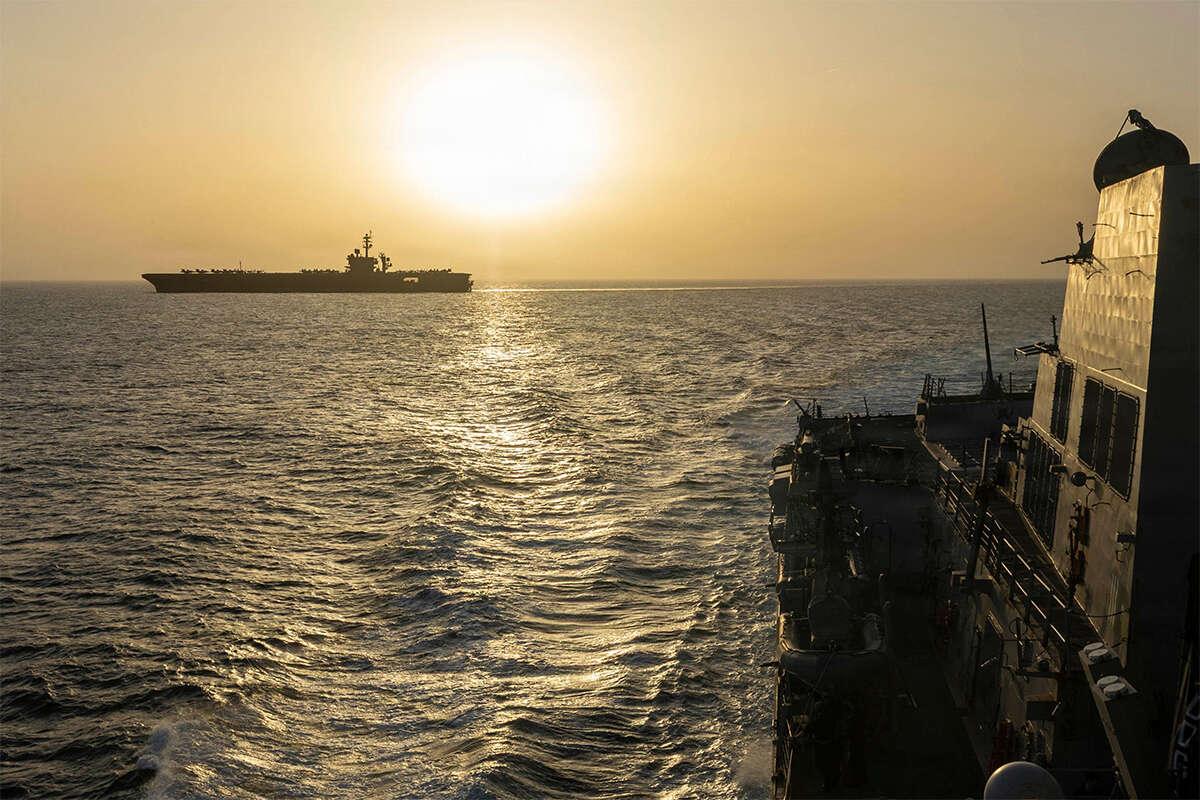
Donald Trump Says U.S. Marines Boarded Iranian-Flagged Touska After USS Spruance Fired
Key Takeaways
- USS Spruance fired on and intercepted Iranian-flagged Touska amid blockade.
- U.S. forces seized the Touska; the ship held for cargo inspection.
- Trump claimed Truth Social that warnings to stop were ignored and Marines boarded.
Seizure in the Gulf of Oman
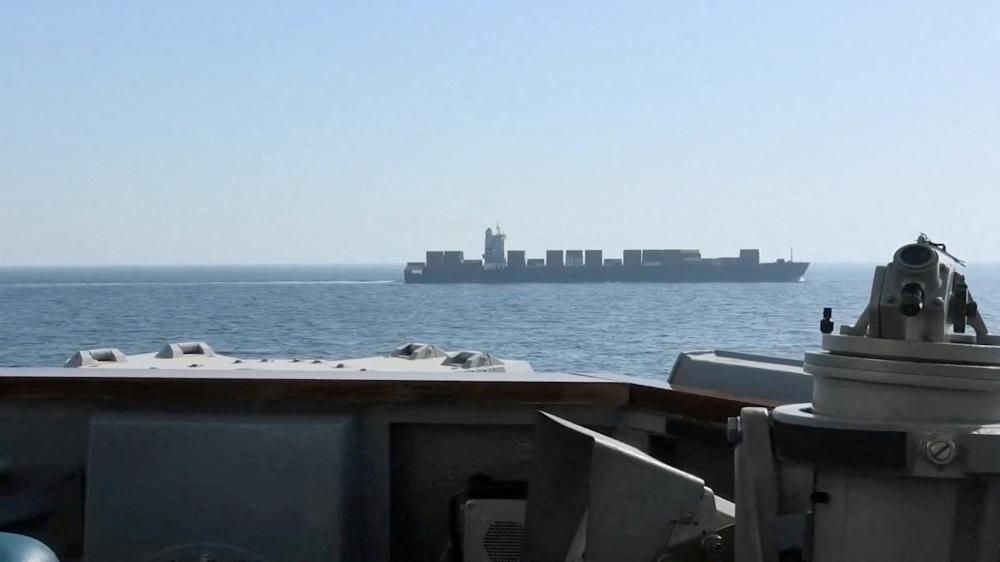
The United States seized an Iranian-flagged cargo ship named Touska in the Gulf of Oman after a U.S. destroyer fired on the vessel and Marines boarded it, President Donald Trump said in a post on Truth Social.
Trump wrote that the U.S. Navy guided missile destroyer USS Spruance “intercepted the ship TOUSKA in the Gulf of Oman” and “gave them fair warning to stop,” before “the Iranian crew refused to listen” and “our Navy ship stopped them right in their tracks by blowing a hole in the engineroom.”
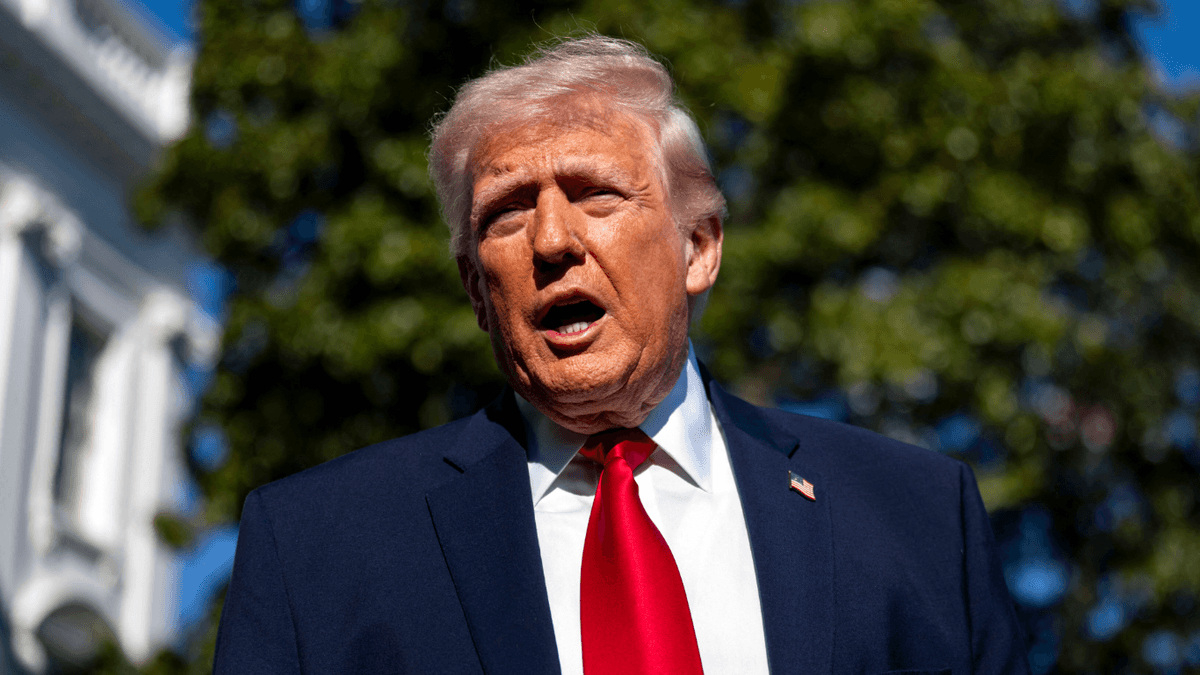
He added that “Right now, U.S. Marines have custody of the vessel,” and that the Touska is “under U.S. Treasury Sanctions because of their prior history of illegal activity.”
U.S. Central Command said the ship ignored warnings over a six-hour period and that its fire targeted the vessel’s engine room before forces seized the ship.
The U.S. military said the Touska was attempting to sail toward the Iranian port of Bandar Abbas, and Centcom said the Spruance directed it “to evacuate its engine room.”
The incident was described as the first such interception since the blockade of Iranian ports began last week, and it unfolded as the Strait of Hormuz remained central to the standoff.
In parallel, the U.S. and Iran accused each other of violating a ceasefire by attacking ships, with the U.S. saying it fired because the ship crossed the blockade line after ignoring multiple warnings and Iran’s joint military command calling the seizure an act of “maritime piracy.”
Ceasefire, blockade, and talks
The Touska seizure landed in the middle of a shifting diplomatic and military timeline tied to a ceasefire and a U.S.-imposed blockade.
DIE WELT’s live ticker said “A ceasefire is now in effect” and that “The blockade of the Strait of Hormuz has been resumed,” while also noting that “The United States and Iran accuse each other of violating the ceasefire by attacking ships.”
In the same live reporting, it said Iran accused the U.S. of violating the ceasefire by shelling an Iranian merchant ship in the Gulf of Oman and that “The joint military command announces retaliation for the piracy, according to state media.”
U.S. News & World Report described how the seizure “threw into question Trump’s earlier announcement that U.S. negotiators would head to Pakistan on Monday for another round of talks with Iran,” and it said Iran’s top diplomat told Pakistan’s foreign minister that Washington’s demands and threats to Iranian ships and ports marked “clear signs” of America’s disingenuousness.
NBC4 Washington reported that the U.S. seizure “threw into question President Donald Trump's earlier announcement that U.S. negotiators would head to Pakistan on Monday for another round of talks with Iran,” and it said “A fragile ceasefire is set to expire by Wednesday.”
Iran’s position was presented as tied directly to the blockade: IRNA said Iran declined to join the talks because of “the ongoing sea blockade, which Tehran regards as a breach of the ceasefire,” and NBC4 Washington quoted Iran’s chief negotiator Mohammed Bagher Qalibaf saying, “there will be no retreat in the field of diplomacy,” while acknowledging a wide gap.
NPR added that Iran’s chief negotiator, parliamentary speaker Mohammed Bagher Qalibaf, stressed: “It is impossible for others to pass through the Strait of Hormuz while we cannot.”
Iran’s response and U.S. justification
Iran’s response to the seizure was framed as both a threat of retaliation and a rejection of the U.S. narrative that the action was consistent with the ceasefire.
U.S. News & World Report said Iran’s joint military command “said Tehran will respond soon and called the U.S. seizure an act of piracy,” and it described Iran’s military headquarters as saying the attack and boarding violated the ceasefire and was “maritime piracy.”
It also reported that Iran’s foreign minister Abbas Aragchi told Pakistan’s foreign minister Ishaq Dar that Washington’s demands in negotiations and its threats to Iranian ships and ports mark “clear signs” of America’s disingenuousness, and it said the report cited Iranian state media.
NBC4 Washington said Iranian state media reported Pezeshkian’s phone conversation with Pakistani Prime Minister Shehbaz Sharif, alleging bullying and unreasonable behavior by the United States and warning that U.S. actions have led to increased suspicion about the possibility that the U.S. will repeat previous patterns and “betray diplomacy.”
NPR similarly reported that Iran accused the U.S. of violating the ceasefire by keeping a blockade on Iranian ports in place, and it described Iran’s National Security Council as saying Iran is “determined to exercise supervision and control over traffic through the Strait of Hormuz until the war is definitively ended and lasting peace is achieved in the region.”
On the U.S. side, CENTCOM and the White House framing emphasized warnings and proportionality.
NPR quoted CENTCOM saying “American forces acted in a deliberate, professional, and proportional manner to ensure compliance,” and it said the ship refused to comply with U.S. warnings over six hours before the U.S. fired and boarded it.
What happens to shipping next
The seizure and the broader blockade were presented in the sources as part of a tightening pressure campaign that affected commercial shipping and raised the risk of further incidents in the Strait of Hormuz.
Malay Mail said the incident came as tensions were high in the Strait of Hormuz and described the strait as “a vital conduit for the world’s oil and liquefied natural gas,” noting it had been “virtually closed since the start of the US-Israeli war with Iran seven weeks ago.”

It also reported that Centcom said U.S. forces had directed 25 commercial vessels to turn around or return to an Iranian port since the blockade began, and it said the Spruance fired rounds from a five-inch calibre gun to disable the ship’s propulsion after directing it “to evacuate its engine room.”
NPR reported that “As part of the blockade, the U.S. has so far directed 25 commercial vessels to turn around or return to an Iranian port,” and it said hundreds of vessels were waiting at each end for clearance.
NBC4 Washington described the blockade as preventing ships from transiting the waterway, saying “Ships remained unable to transit the critical waterway amid threats from Iran and the U.S. blockade of ships heading to and from Iranian ports,” and it said “Hundreds of vessels were waiting at each end for clearance.”
It also reported that Roughly one-fifth of the world’s oil trade normally passes through the strait and that critical supplies of fertilizer, natural gas, and humanitarian supplies move through it, and it said one of the worst global energy crises in decades threatened to deepen.
NPR added that more than 20,000 seafarers have been stuck on hundreds of ships in the Gulf since the war began in late February.
Negotiations in Islamabad in doubt
The Touska interception was repeatedly linked in the reporting to the status of U.S.-Iran talks planned for Pakistan, with multiple outlets describing how the seizure complicated or threatened the diplomatic track.
“The American Marines took control of an Iranian ship, Donald Trump assured this Sunday, April 19”
U.S. News & World Report said the seizure “threw into question Trump’s earlier announcement that U.S. negotiators would head to Pakistan on Monday for another round of talks with Iran,” and it said Iran’s state media issued brief reports suggesting the talks would not take place.
NBC4 Washington reported that Iranian state media suggested the talks “won't take place,” and it said minutes after the ship seizure was announced, Iranian state media reported Pezeshkian’s phone conversation with Shehbaz Sharif, in which Pezeshkian alleged bullying and unreasonable behavior and warned that the U.S. would “betray diplomacy.”
NBC4 Washington also said separately that Pakistani Foreign Minister Ishaq Dar spoke by phone with Iran’s Foreign Minister Abbas Araghchi, and it reported that Pakistan did not confirm a second round of talks while authorities began tightening security in Islamabad.
It further stated that the White House said Vice President JD Vance, who led the first round of historic face-to-face talks over 21 hours last weekend, would lead the U.S. delegation to Pakistan with envoys Steve Witkoff and Jared Kushner.
NPR said the three U.S. officials heading to Pakistan are Vice President Vance, U.S. special envoy Steve Witkoff and Jared Kushner, according to a White House official who spoke on background, and it said Iran’s official news agency IRNA said the government had declined to join the talks.
DIE WELT’s live ticker said “Iran has canceled a planned new round of peace talks with the U.S.” and explained Iran’s absence with “Washington’s excessive demands, unrealistic expectations, constant reversals, contradictory statements, and the ongoing sea blockade.”
More on Iran
Iran’s IRGC Warns It Will Target Any Ship Approaching Strait of Hormuz
13 sources compared
Ebrahim Azizi Says Iran Will Decide Right of Passage Through Strait of Hormuz
12 sources compared
Iranian National Shamim Mafi Arrested at LAX for Arms Trafficking to Sudan for Iranian Government
10 sources compared

Donald Trump Threatens Iran Infrastructure Strike Over Strait Of Hormuz Ceasefire Violations
23 sources compared