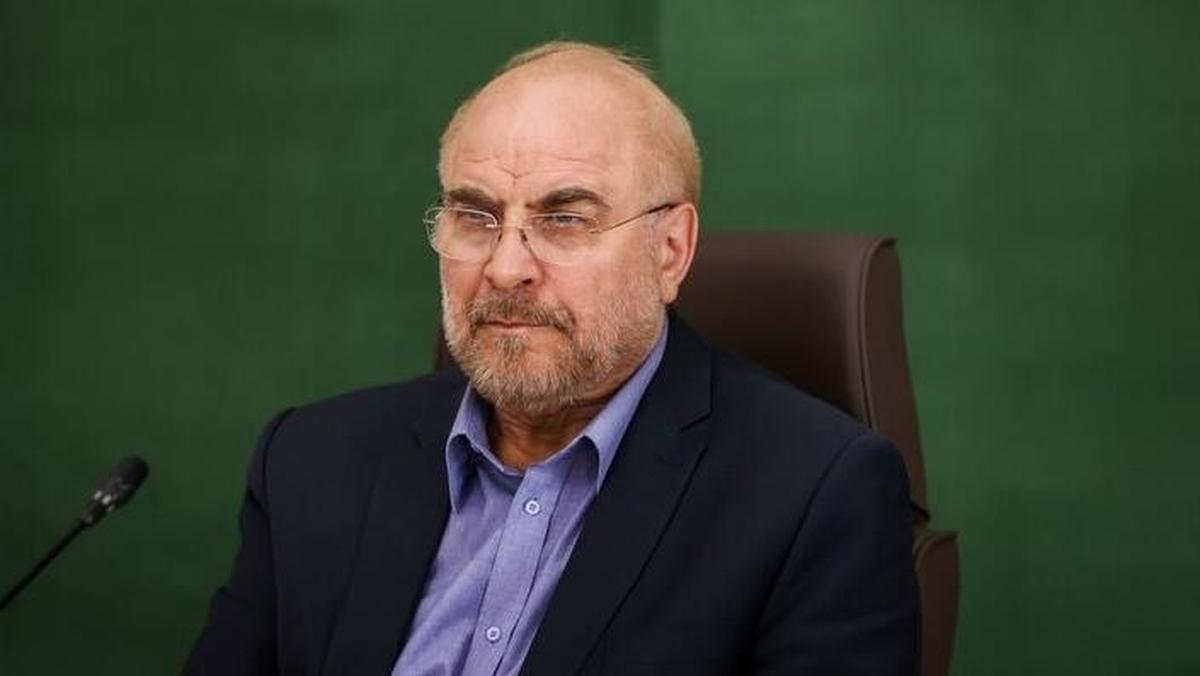
Ebrahim Azizi Says Iran Will Decide Right of Passage Through Strait of Hormuz
Key Takeaways
- Iran says Strait is open to navigation but under tight Iranian control.
- Iran reimposed strict control, reversing reopening amid US blockade and ceasefire end.
- Two Indian ships attacked, prompting India to summon Iran's ambassador.
Hormuz Control and Law
A senior Iranian lawmaker told the BBC in Tehran that “Never.” when asked whether Tehran would cede control of the Strait of Hormuz, calling it “our inalienable right.”
Ebrahim Azizi, described by the BBC as a former commander in Iran's Islamic Revolutionary Guards Corps (IRGC), said, “Iran will decide the right of passage, including permissions for vessels to pass through the Strait.”
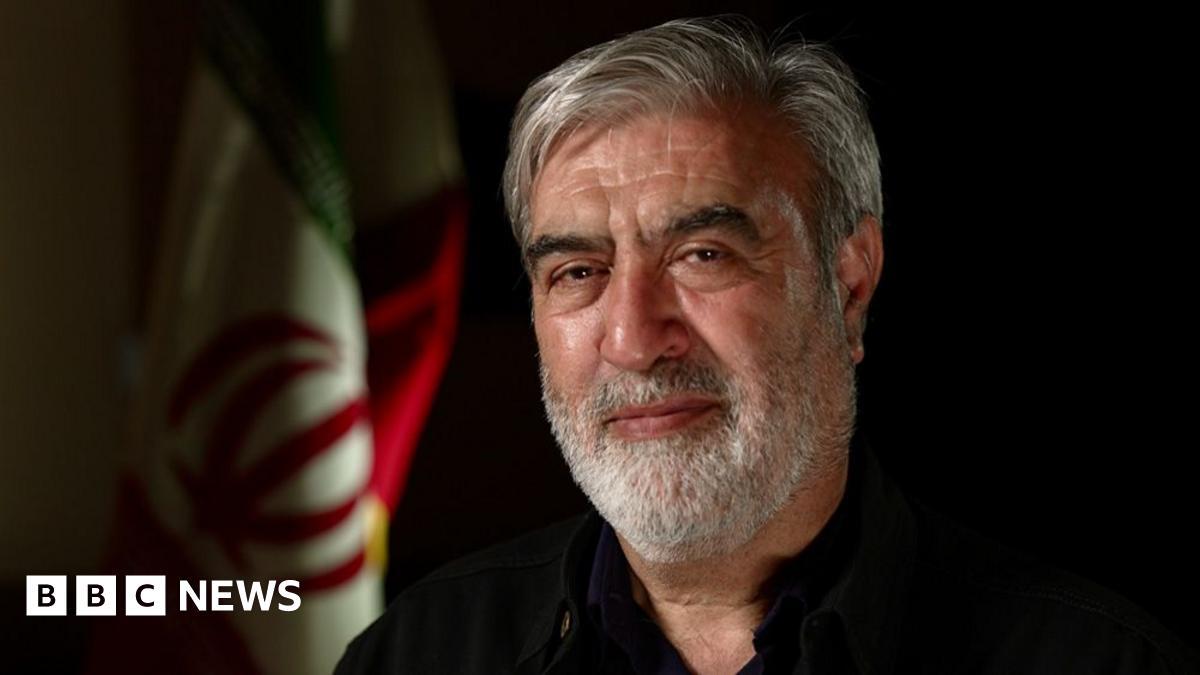
The BBC reported that Azizi said Iran is “introducing a bill in parliament, based on article 110 of the constitution,” and that the bill “includes the environment, maritime safety and national security - and the armed forces will implement the law.”
The BBC framed the strait as a long-term lever rather than a short-term bargaining chip, quoting Azizi describing the strait as “one of our assets to face the enemy.”
The BBC also quoted research fellow Mohammad Eslami at the University of Tehran saying, “Tehran is open to discussing how other nations can benefit from Iran's new framework for the strait, but control is the bottom line.”
In the same BBC account, Dr Anwar Gargash, diplomatic adviser to the president of the United Arab Emirates, described Iran’s posture as “An act of hostile piracy,” warning it would set a “dangerous precedent.”
Azizi responded to the accusation by saying, “We have always said we need to work together to secure our region,” and by calling the United States “the biggest pirate in the world.”
Talks, Blockade, and Reversal
Iran rebuffed a new round of peace talks with the United States, state media reported, and the decision was linked to the blockade of Iranian ports and the status of the Strait of Hormuz.
CNBC reported that Iran on Sunday denied it would participate in new peace talks with the United States, citing a report by Iran's state news agency IRNA that said Iran’s absence “stems from what it called Washington's excessive demands, unrealistic expectations, constant shifts in stance, repeated contradictions, and the ongoing naval blockade, which it considers a breach of the ceasefire.”

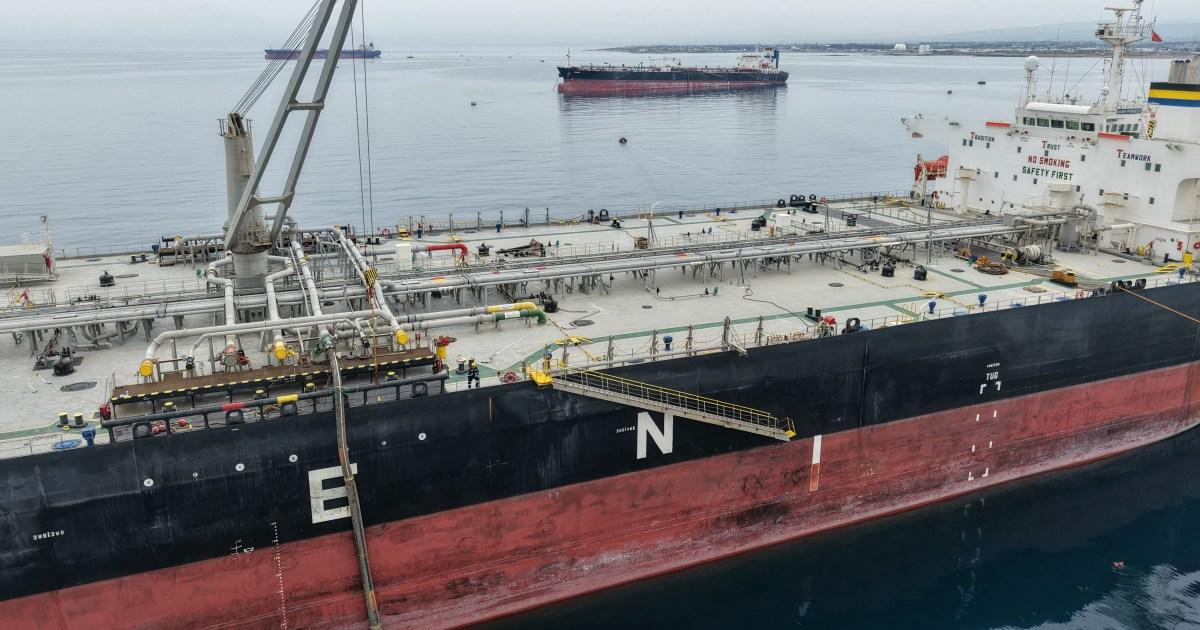
CNBC said the IRNA report cited Iran’s demand to end the U.S. blockade of Iranian ports, and it connected the diplomatic setback to Trump’s statement that the U.S. intercepted a ship called the TOUSKA in the Gulf of Oman and seized it after firing.
CNBC also said the U.S. has been operating a naval blockade of ships entering and exiting Iranian ports since last week, and that “Under these conditions, the outlook for constructive talks remains bleak,” according to IRNA on X.
The same CNBC account described Iran as having blocked the strait to ships other than its own since the U.S. and Israel attacked on Feb. 28, and it said Iran announced on Friday it would reopen the waterway before reversing the decision on Saturday after Trump declined to lift a U.S. blockade of Iranian ports.
CNBC quoted Trump’s post saying, “Iran decided to fire bullets yesterday in the Strait of Hormuz — A Total Violation of our Ceasefire Agreement!” and it reported that Iran’s parliament speaker and top negotiator Mohammad Bagher Ghalibaf said, “It is not the case that we think just because we are negotiating, the armed forces are not ready.”
NBC News added that Iran reasserted “strict control” over the Strait of Hormuz, reversing its declaration a day earlier that the vital shipping lane was fully open, citing the ongoing U.S. naval blockade.
Gunfire and Navigation Rules
As Iran tightened control again, multiple outlets described gunfire and navigation restrictions affecting shipping through the Strait of Hormuz.
“CNN— The Iranian army said on Saturday that it has reimposed restrictions on the passage of vessels through the Strait of Hormuz, and accused the United States of 'repeated breaches of trust' regarding the ceasefire agreement between the two sides”
PBS, citing Associated Press reporting, said the standoff escalated again Saturday as Iran reversed its reopening and fired on ships attempting to pass, describing the strait as closed until the U.S. blockade is lifted.
PBS quoted Iran's Revolutionary Guard navy warning that “no vessel should make any movement from its anchorage in the Persian Gulf and the Sea of Oman, and approaching the Strait of Hormuz will be considered as cooperation with the enemy” and be targeted.
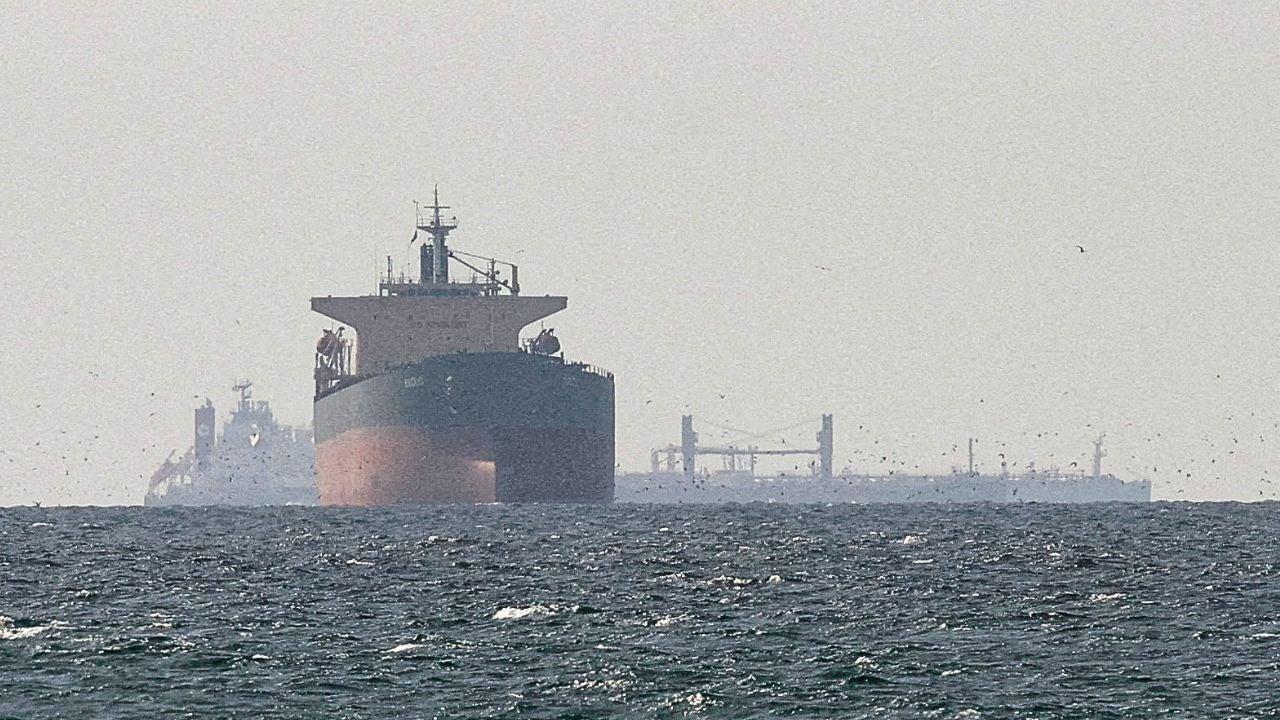
PBS also reported that Revolutionary Guard gunboats opened fire on a tanker and an unknown projectile hit a container vessel, damaging some containers, and it said the British military's United Kingdom Maritime Trade Operations center recorded the incidents.
NBC News similarly reported that maritime authorities described gunfire and a projectile strike involving Indian vessels in the Strait of Hormuz, and it said the U.K. Maritime Trade Operations organization recorded incidents of vessels being hit.
The New York Times described Iran’s reversal as adding “new peril” to navigation, saying that less than 24 hours after it declared the strait open to commercial ships, Iran’s military said it had returned the strait “to its previous state” and would continue “strict control” unless the United States ended its own blockade of Iranian ports.
Al Jazeera’s Arabic-language report said an official spokesman for the Khatam al-Anbiya Central Headquarters said control had returned to its previous state and that the strait was under tight management and oversight by Iranian armed forces.
Diplomatic Fallout and External Pressure
The renewed turbulence in the Strait of Hormuz triggered diplomatic actions and public messaging from governments and leaders.
The BBC described how concerns about closure causing “growing economic shocks worldwide” were rising, and it said Dr Anwar Gargash warned that refusing to relinquish control would set a “dangerous precedent.”
NBC News reported that after a summit of 51 countries co-chaired by France and the U.K., the British ambassador to the U.S. said Iran “is isolated and needs to make a deal,” and it quoted the joint statement from Emmanuel Macron and Keir Starmer calling for “the unconditional, unrestricted, and immediate re-opening of the Strait of Hormuz.”
In the same NBC News account, it said the British ambassador, Christian Turner, stated that “Following US leadership to reopen the Strait, our new multinational mission will take action to ensure Freedom of Navigation, reassure shipping, and help lower energy prices,” and it added that Trump convened a Cabinet meeting in the situation room to discuss the Strait of Hormuz.
Al Jazeera’s Arabic-language report said Iran warned that if American warships obstruct ships coming from Iranian ports, they may re-close the commercial artery that normally carries about 20% of the world’s crude oil and LNG, and it quoted the head of the National Security Committee in the Iranian Parliament saying, “We warned you and you ignored the matter, and now enjoy Hormuz returning to what it was.”
The report also said the Iranian deputy foreign minister accused the American side of “repeated breaches of trust” and said Trump “talks a lot and says contradictory things in the same statements.”
South China Morning Post reported that the IRGC announced on Saturday that control of the strait had “returned to its previous state,” and it said the IRGC described the U.S. continuing naval blockade of Iranian ports as “piracy and maritime theft.”
Ceasefire Clock and Consequences
The sources portray the Strait of Hormuz standoff as tightly linked to a fragile ceasefire timeline and to the risk of renewed escalation.
“Two Indian ships come under fire in Strait of Hormuz after Iran reasserts control Closing the Strait of Hormuz was a response to "America's untrustworthiness," the head of Iran's National Security Commission said”
NPR reported that Iran said Saturday it had closed the Strait of Hormuz again as the ceasefire nears its end, reversing its earlier decision to reopen the waterway until the United States completely lifts its blockade of Iranian ports.
NPR said the announcement came the morning after Trump said the U.S. blockade of Iranian ports will remain and attacks could resume if no agreement is reached before the current ceasefire with Iran expires next week, and it quoted Trump saying, “They got a little cute, as they have been doing for 47 years. Nobody ever took them on. We took them on.”
NPR also reported that Trump told reporters, “I don't know. Maybe I won't extend it, but the blockade is going to remain. But maybe I won't extend it, so you'll have a blockade and unfortunately we'll have to start dropping bombs again.”
PBS similarly said a fragile ceasefire is due to run out by Wednesday and described the renewed standoff as threatening to deepen the global energy crisis and push countries into renewed conflict as the war entered its eighth week.
PBS said Iran’s closure is perhaps its most powerful weapon, “threatening the world economy and inflicting political pain on President Donald Trump,” while for the United States, the blockade keeps up pressure and could strangle Iran's already weakened economy.
CNBC added that the shipping disruption and blocked strait could set the stage for a renewed surge in oil prices when markets reopen, and it said oil prices plunged more than 10% on Friday to below $90 per barrel on hopes that energy supplies would start flowing again.
More on Iran
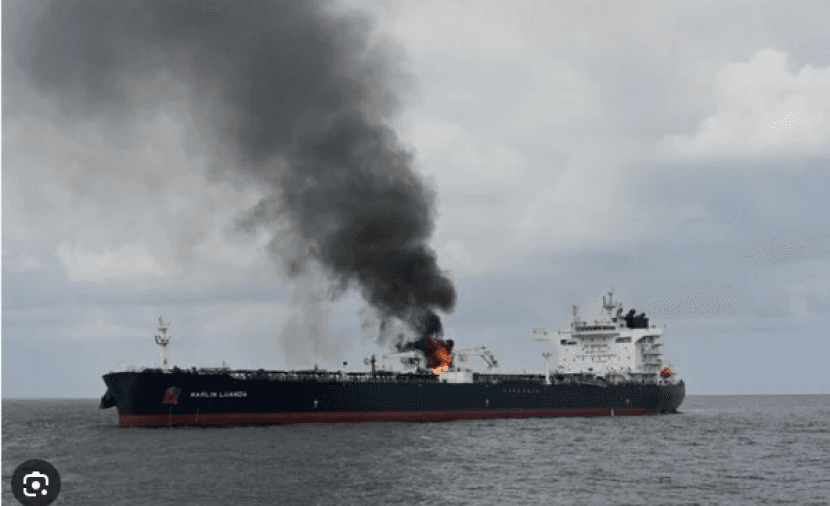
Iran’s IRGC Warns It Will Target Any Ship Approaching Strait of Hormuz
13 sources compared
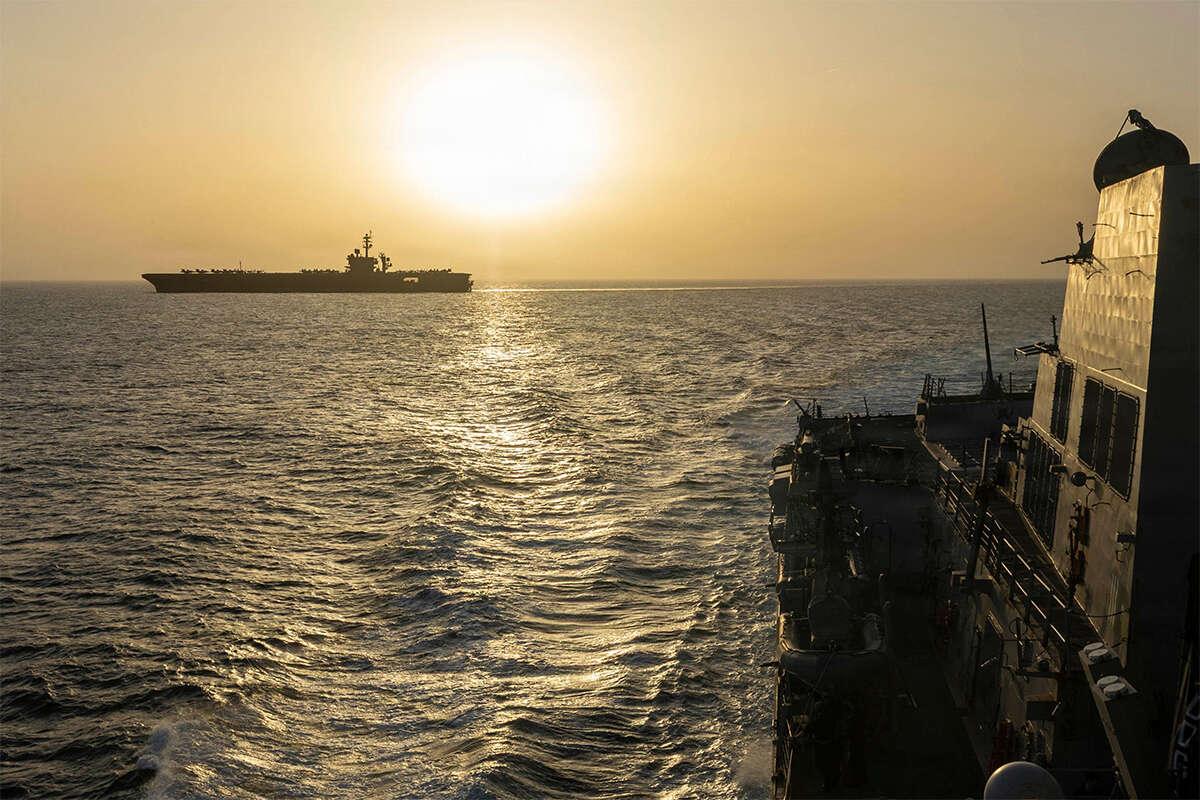
Donald Trump Says U.S. Marines Boarded Iranian-Flagged Touska After USS Spruance Fired
11 sources compared
Iranian National Shamim Mafi Arrested at LAX for Arms Trafficking to Sudan for Iranian Government
10 sources compared

Donald Trump Threatens Iran Infrastructure Strike Over Strait Of Hormuz Ceasefire Violations
23 sources compared