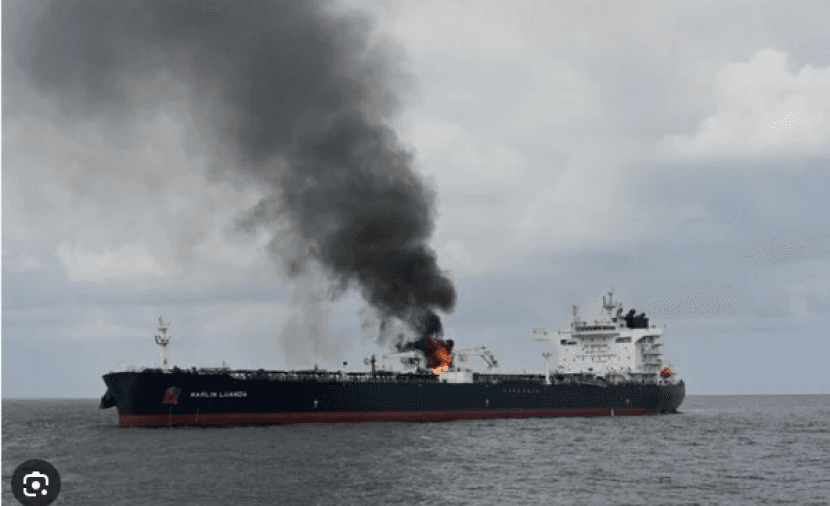
Iran’s IRGC Warns It Will Target Any Ship Approaching Strait of Hormuz
Key Takeaways
- IRGC warns any vessel crossing Strait of Hormuz will be targeted.
- Iran reopened the strait, then reversed the move and fired on passing ships.
- U.S. forces reportedly seized an Iranian-flagged cargo ship near the Strait.
Strait Re-closed, Threats Escalate
Iran’s Islamic Revolutionary Guard Corps warned that any ship approaching the Strait of Hormuz would be treated as a target as the standoff over the waterway escalated again after Tehran reversed its reopening and fired on ships attempting to pass.
“No Place to Hide on Board: Sailors Stranded Near Iran - Author: Muhammad Zubair Khan - Role: BBC News Urdu - Author: Aye Thu San - Role: BBC News Burmese - Author: Hyojong Kim - Role: BBC News Korean - Author: Andrew Webb and Grace Tsui - Role: BBC - World Service - Reading time: 6 minutes Drones, cruise missiles, and fighter jets have become a familiar sight for many sailors aboard oil tankers and cargo ships in the Gulf after Iran threatened to target any ships attempting to pass through the Strait of Hormuz in retaliation for US-Israeli strikes”
In live reporting, yalibnan said hundreds of ships were stuck in the strait Hormuz and that the IRGC’s navy warned that “any ship approaching the Strait of Hormuz would be treated as a target.”
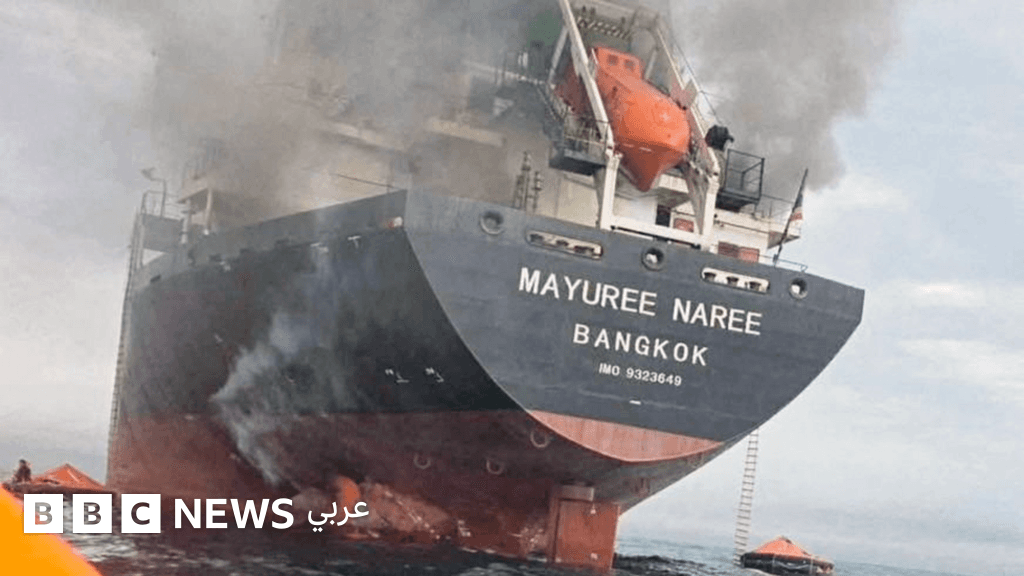
The same account described how the escalation followed Iran’s reversal of reopening and firing on ships attempting to pass, and it tied the maritime pressure to a broader regional timeline that included a 10-day ceasefire in southern Lebanon between Israel and Lebanon’s militant Hezbollah group.
CBC similarly described how Iran “reversed its reopening of the crucial waterway and fired on ships attempting to pass,” framing the move as retaliation after the United States pressed ahead with its blockade of Iranian ports.
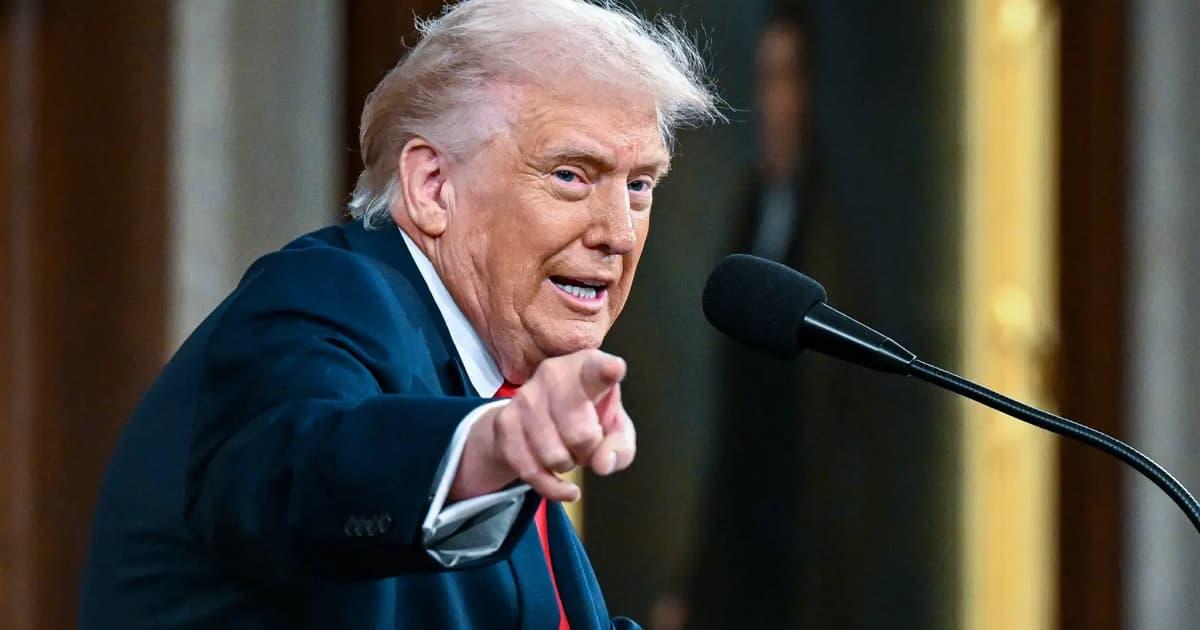
Free Malaysia Today added that Trump accused Iran of “total violation” of the ceasefire, writing that “Iran decided to fire bullets yesterday in the Strait of Hormuz — A Total Violation of our Ceasefire Agreement!”
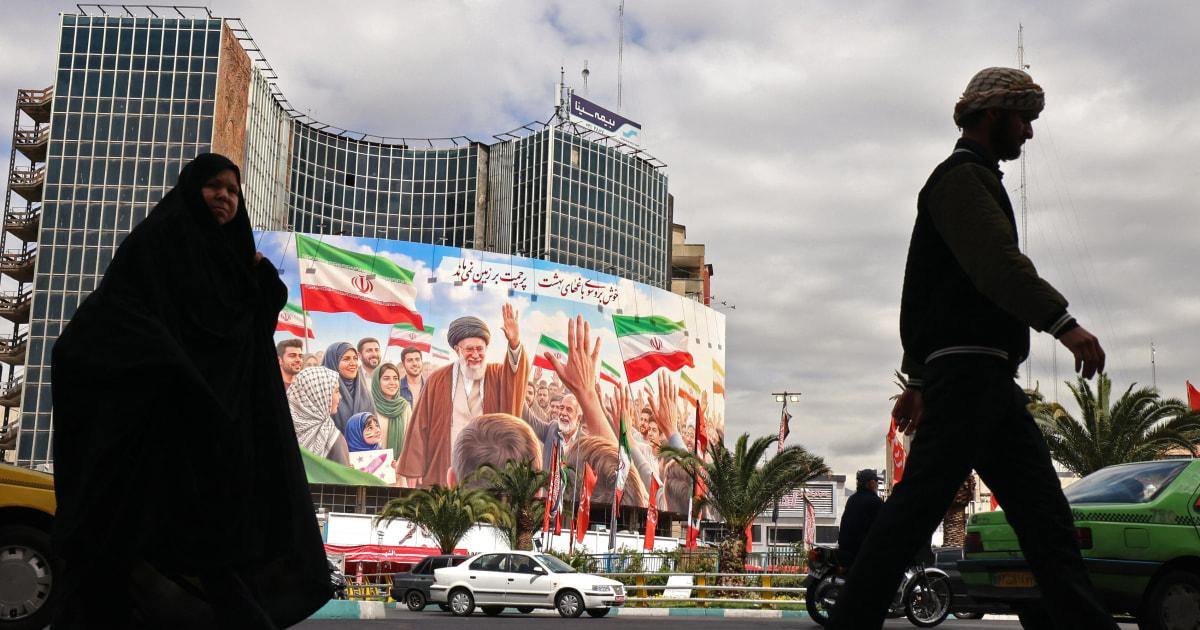
Across the reporting, the Strait of Hormuz became the central pressure point: Iran’s joint military command said “control of the Strait of Hormuz has returned to its previous state ... under strict management and control of the armed forces,” while the U.S. continued to frame its blockade as ongoing leverage.
The BBC’s account of sailors stranded in the region underscored how the threats translated into daily risk, describing drones, cruise missiles, and fighter jets as a familiar sight for crews in the Gulf after Iran threatened to target any ships attempting to pass.
Seizure in Gulf of Oman
While Iran threatened ships approaching the Strait of Hormuz, President Donald Trump said the United States seized an Iranian-flagged cargo ship in the Gulf of Oman near the waterway, intensifying the cycle of mutual accusations.
NBC News reported that Trump said U.S. forces seized the nearly 900-foot cargo vessel TOUSKA after it “attempted to breach a U.S. naval blockade,” and it said the ship was intercepted by the Navy destroyer USS Spruance in the Gulf of Oman after ignoring warnings to stop.

NBC added that U.S. Central Command confirmed the seizure and said the repeated warnings happened over a six-hour period, quoting: “American forces acted in a deliberate, professional, and proportional manner to ensure compliance.”
In response, Iran accused the U.S. of violating the ceasefire and “maritime piracy,” and NBC quoted Ebrahim Zolfaghari saying, “We warn that the Armed Forces of the Islamic Republic of Iran will soon respond to this act of armed piracy and theft by the America military and will retaliate.”
France 24 also reported Trump’s claim that the U.S. Navy fired on an Iranian vessel in the Gulf of Oman and took control of it, while noting that CMA CGM confirmed one of its ships was “fired upon with warning shots” on Saturday in the Strait of Hormuz.
New York Post described IRGC gunboats firing on at least two ships near Oman and said one Indian-flagged tanker was approached about 20 nautical miles northeast of Oman around 1 p.m. local time, with the tanker’s master reporting “opened fire unprovoked.”
Together, the accounts depict a maritime contest where the U.S. frames enforcement of a blockade and Iran frames retaliation for violations, with each side pointing to incidents at sea as proof of the other’s bad faith.
Diplomacy in Pakistan, Disputed Talks
Amid the maritime confrontations, multiple outlets described negotiations involving the U.S. and Iran in Pakistan, but they diverged on whether a new round was actually planned.
“Trump says US seized Iranian ship in Gulf of Oman near Strait of Hormuz The US Navy fired on an Iranian vessel in the Gulf of Oman and took control of it, US President Donald Trump said Sunday”
NBC News said two senior administration officials told NBC News on Sunday that Vice President JD Vance, special envoy Steve Witkoff and Trump's son-in-law Jared Kushner were expected to travel to Islamabad, Pakistan, to continue negotiations with Iran, and it said Trump had said negotiators would arrive Monday evening in Islamabad.
NBC also reported that Iranian officials disputed Trump’s announcement of new talks, with Iran’s state-run IRNA news agency denying reports of a second round of negotiations in Islamabad and saying there is “no clear prospect” for talks under current conditions.
In the same NBC report, IRNA cited what it described as excessive U.S. demands, shifting positions and the continued naval blockade, which Iran views as a violation of the ceasefire.
Free Malaysia Today described Trump’s posture as he threatened new attacks, saying his envoys would arrive in Pakistan on Monday evening prepared to hold more talks, and it quoted Trump’s social media threat that “the United States is going to knock out every single Power Plant, and every single Bridge, in Iran.”
CBC described Pakistani mediators as working to arrange another round of direct negotiations, and it said Iran had received new proposals from the U.S. while “Pakistani mediators were working to arrange another round of direct negotiations.”
It also quoted Iran’s deputy foreign minister Saeed Khatibzadeh saying the Iranians were not ready for a new round of face-to-face talks because the Americans “have not abandoned their maximalist position.”
Voices: Iran, U.S., and India
The standoff drew direct statements from Iranian officials and U.S. officials, while India’s government also intervened after ships flying its flag were targeted.
NBC News quoted Iran’s military headquarters spokesperson Ebrahim Zolfaghari warning that Iran would retaliate for what it called “armed piracy,” saying, “We warn that the Armed Forces of the Islamic Republic of Iran will soon respond to this act of armed piracy and theft by the America military and will retaliate.”
NBC also quoted a threat from Iran’s joint military command that “control of the Strait of Hormuz has returned to its previous state ... under strict management and control of the armed forces,” and it said Iran warned it would continue to block transit as long as the U.S. blockade remained.
In the U.S. narrative, NBC included U.N. Ambassador Mike Waltz’s warning that “Everything’s on the table,” and it quoted him saying, “We’ll see what the Iranians decide to do.”
Free Malaysia Today captured Trump’s framing of Iran’s actions as a “Total Violation of our Ceasefire Agreement!” and it included his threat that “NO MORE MR. NICE GUY!”
India’s response appeared in two separate accounts: CBC said India’s Ministry of External Affairs summoned Iran's ambassador over the “serious incident” of firing on two India-flagged merchant ships, and the Palestinian News Agency said India conveyed “deep concern” and urged Tehran to “resume facilitating the passage of ships bound for India through the Strait as soon as possible.”
The Palestinian News Agency account also said TankersTrackers reported the IRGC Navy forced two Indian ships to turn back, including “a giant oil tanker flying the Indian flag and carrying two million barrels of Iraqi oil.”
Sailors Stranded, Navigation Disrupted
As the Strait of Hormuz standoff intensified, the BBC reported that sailors were stranded aboard ships in the Gulf and described how the threats affected navigation, communications, and basic supplies.
“President Donald Trump said Sunday that U”
The BBC said drones, cruise missiles, and fighter jets had become familiar sights for sailors aboard oil tankers and cargo ships in the Gulf after Iran threatened to target any ships attempting to pass through the Strait of Hormuz in retaliation for U.S.-Israeli strikes.
It quoted a Pakistani sailor named Amir, who said he “cannot leave the area” and described seeing Iranian drones and cruise missiles flying at low altitude while he could hear the roar of fighter jets.
The BBC also quoted Captain Anam Chowdhury, head of the Bangladesh Association of Merchant Officers, estimating “about 20,000 sailors are stranded,” and it said the organization he leads had tracked at least seven ships that report being hit by projectiles and damaged since the war began.
The BBC described communications disruptions inside Iran, saying Iranian authorities block internet and phone networks for most people inside the country, leaving families with difficulty obtaining news about loved ones.
It also described satellite navigation jamming, quoting Seo-Joon, who said satellite navigation systems have begun to fail and that GPS jamming was intermittent since the start of the war and worsening considerably in the last three or four days.
On supplies, the BBC reported that Seo-Joon said the ship has enough fresh food for 15 days, while drinking water had become a concern, and it said a Pakistani sailor named Masood reported it had already been two months since they last received provisions on board.
More on Iran
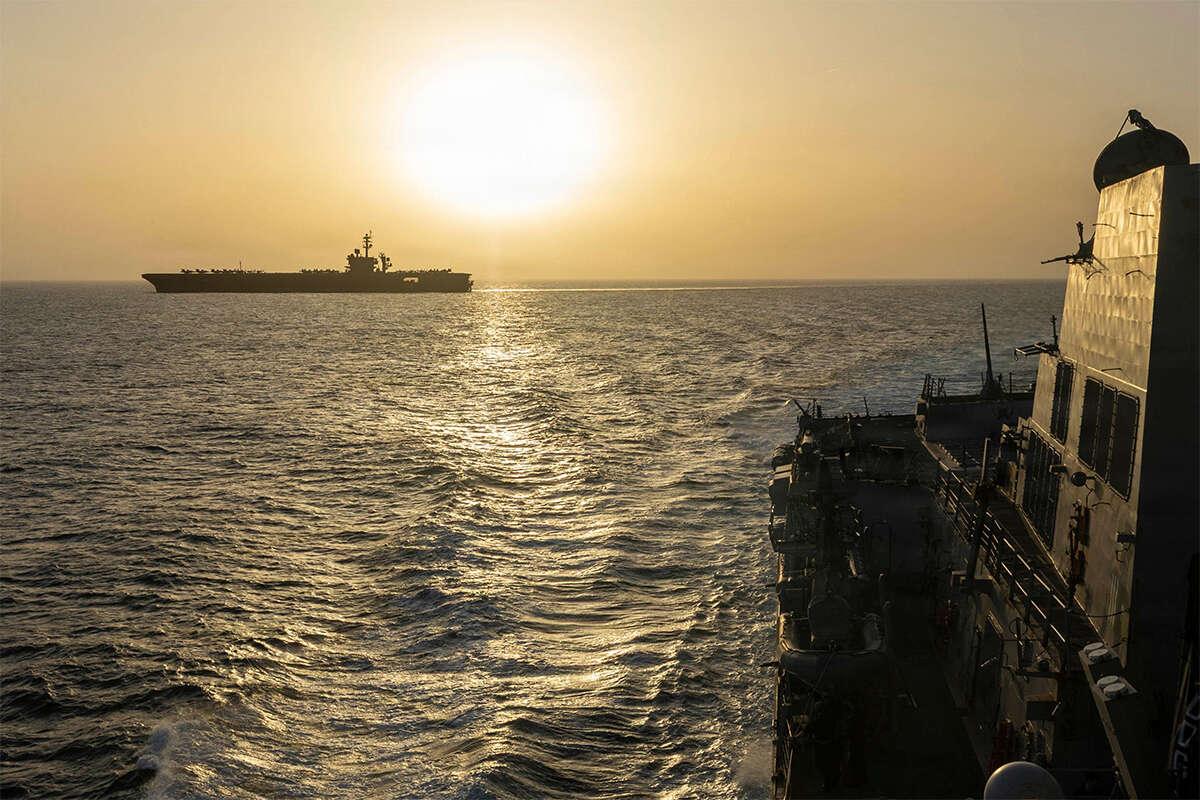
Donald Trump Says U.S. Marines Boarded Iranian-Flagged Touska After USS Spruance Fired
11 sources compared
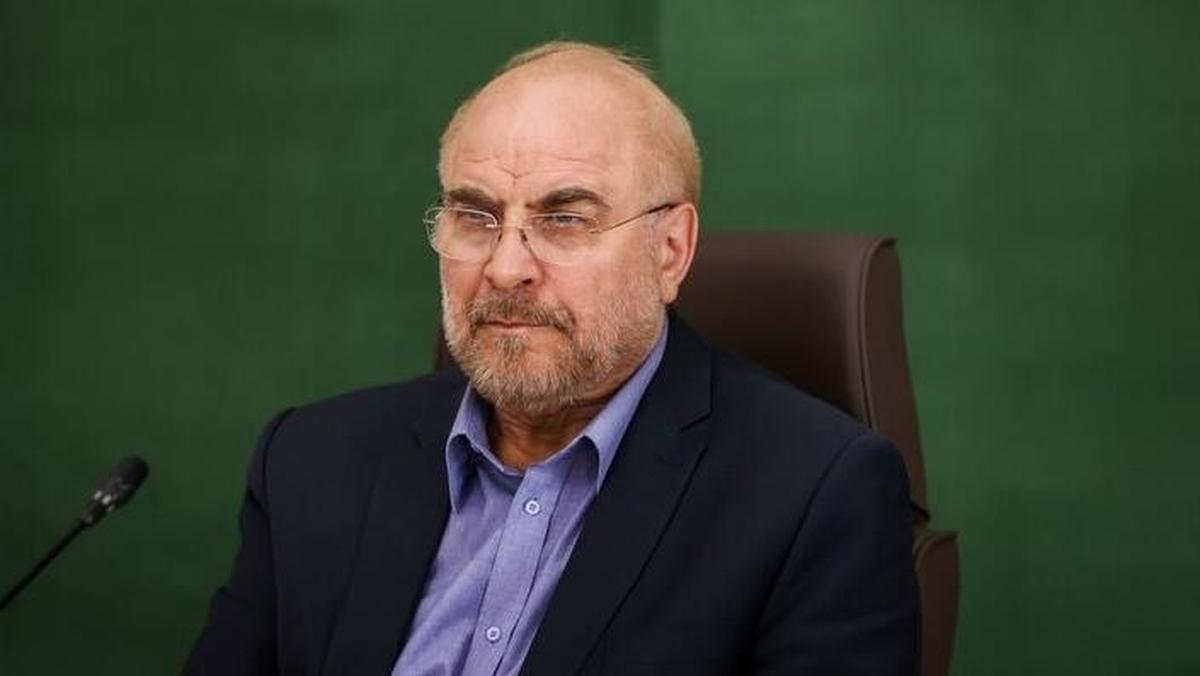
Ebrahim Azizi Says Iran Will Decide Right of Passage Through Strait of Hormuz
12 sources compared
Iranian National Shamim Mafi Arrested at LAX for Arms Trafficking to Sudan for Iranian Government
10 sources compared

Donald Trump Threatens Iran Infrastructure Strike Over Strait Of Hormuz Ceasefire Violations
23 sources compared