Full story
Nuclear deal tied to Israel
President Donald Trump said the U.S.-Saudi civilian nuclear cooperation agreement is “totally subject” to Saudi Arabia normalising relations with Israel through the Abraham Accords, adding that the deal “will be approved, but is totally subject to Saudi Arabia joining the very respected and successful Abraham Accords.”
Trump’s condition, announced on Thursday after the agreement was announced Wednesday, has cast confusion because the full details of the deal have not been released and neither the U.S. Energy Department nor the Saudi government mentioned it being contingent on Israel ties when the agreement was announced.

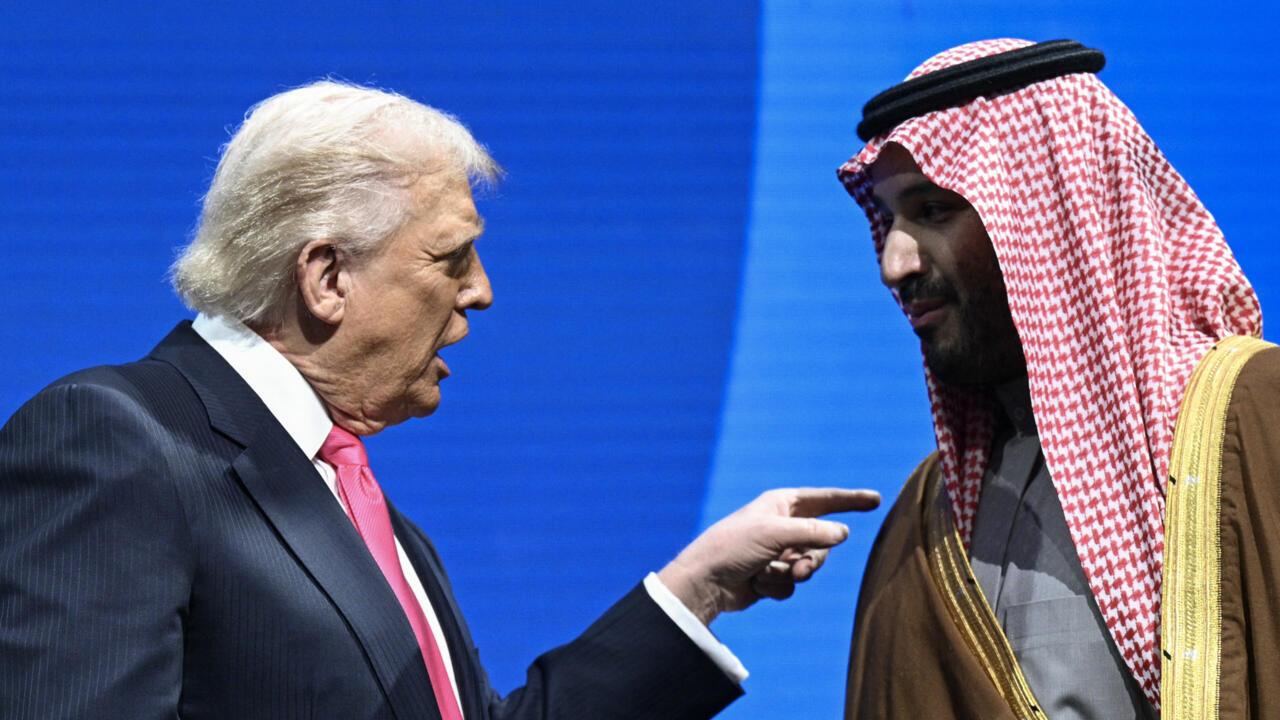
White House press secretary Karoline Leavitt said Trump did not believe he had spoken with Saudi Crown Prince Mohammed bin Salman since posting the statement, but that he had raised the issue in previous conversations and maintained that if Riyadh does not join the Abraham Accords “the deal is off.”
The U.S. Department of Energy said Washington and Riyadh signed “a peaceful nuclear cooperation agreement for a decades-long, multi-billion-dollar partnership” and a “bilateral safeguard agreement” related to launching a civilian nuclear programme, with the deal requiring approval from the U.S. Congress.
In Washington, DC, Al Jazeera’s Mike Hanna said Trump’s latest claim “does not appear to be part of the original agreement either,” warning that “there are many questions that arise, and no doubt there will be many questions in Congress.”
Rubio, Netanyahu, and critics
Secretary of State Marco Rubio told reporters in Manila that the agreement would make certain that Saudi Arabia works with American companies instead of “competitors” to build its civil nuclear program, saying “We’re not the only show in town, but we’re the best show in town.”
Rubio also defended the deal’s safeguards, while nonproliferation experts raised concerns that it fails to include guardrails to prevent enrichment of uranium to weapons-grade levels, and Trump said the pact does not allow for enrichment of uranium.
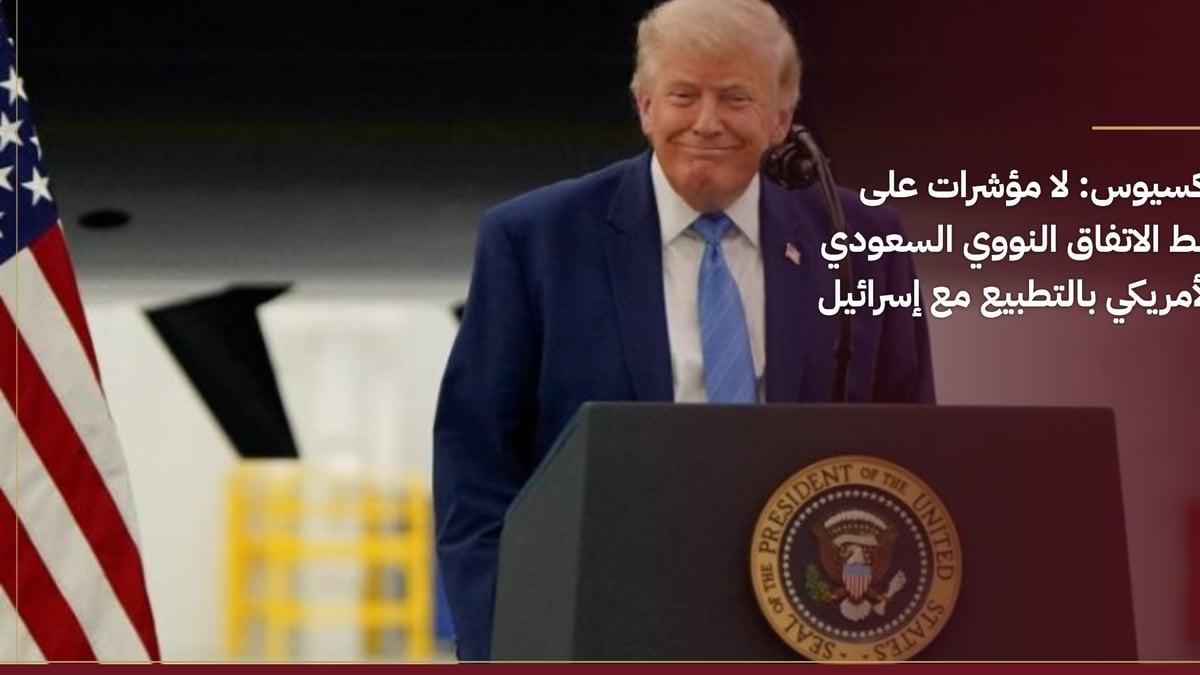
Trump wrote on Truth Social that “There will be no enrichment of material!” and added that the United States “is not opposed to Civil (Non-Enriched) Nuclear Facilities,” as the BBC reported the condition was not immediately clear in the unreleased text of the nuclear deal.
Israel’s response included Netanyahu’s office saying Saudi Arabia joining the accords would be “a historic leap forward for peace in the Middle East,” while the Saudi Embassy in Washington declined to comment on Trump’s assertions.
The BBC also reported that some Republican and Democratic lawmakers expressed concerns about future nuclear proliferation, and it quoted Rosemary Kelanic saying it would be “quite shocking” if the U.S. were to allow Saudi Arabia uranium enrichment facilities.
Congress review and regional stakes
The agreement is to be submitted to Congress for review, and the BBC said opponents of the deal do not appear to have the votes needed to block it even as lawmakers and experts warned it could lead to a nuclear arms race in the Middle East.
The International Atomic Energy Agency said on Thursday it was aware of US and Saudi plans for a “bilateral civil nuclear cooperation agreement” and the plan to ask the IAEA to implement verification measures, adding “We look forward to receiving the request for such verification.”
The deal’s terms remain contested in reporting, with the AP describing expectations that it could allow building of a uranium-enrichment facility in Saudi Arabia following a joint U.S.-Saudi study, while Trump’s remarks denied enrichment by writing “There will be no enrichment of material!”
The stakes for Saudi Arabia’s policy and for the region hinge on the Abraham Accords condition, with the AP noting Saudi leaders previously made clear that normalizing relations with Israel would first require a clear path for Palestinian statehood and with Netanyahu’s office rejecting Palestinian statehood as untenable for Israel’s security.
In the background of the U.S.-Iran conflict, the Al Jazeera report said Iran’s enrichment of nuclear material has been a major justification for the ongoing US-Israel war launched on February 28, while Trump’s condition and the deal’s Congressional review keep the nuclear cooperation question tied to regional diplomacy and nonproliferation guardrails.