USAupdated 1h ago2 min read
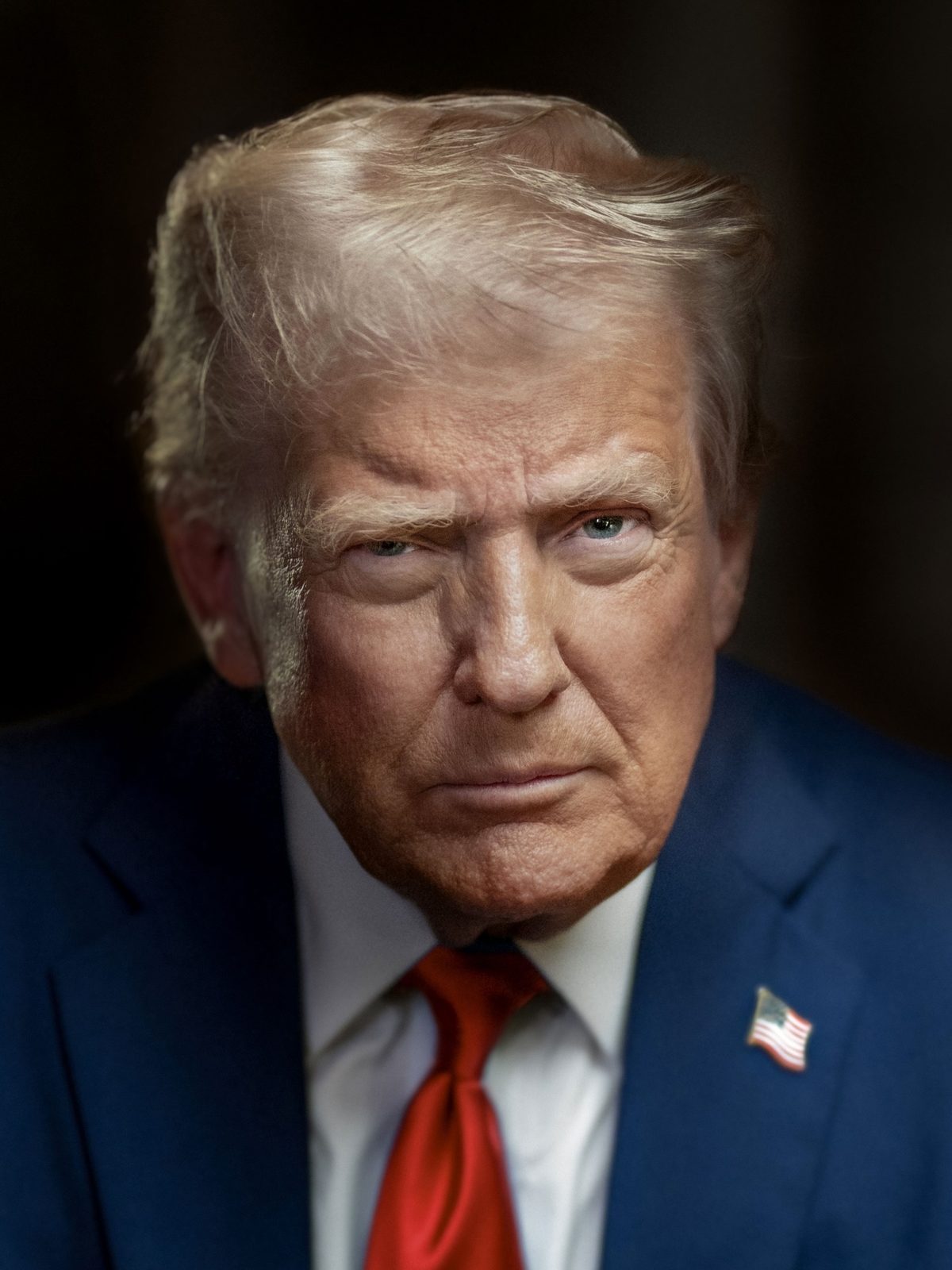
Archive photo · 2 June 2025Donald Trump Says Washington Will End Annual Aid To Israel Under 2016 Agreement
6 West Asian1 Latin American1 Western MainstreamPhoto: Daniel Torok / US federal government, Public domain · Cropped for layout
This article is an automated aggregation of coverage from news outlets. Our editorials offer in-depth analysis curated by the NewsCord team.
Trump announced ending annual aid to Israel of about $4 billion. Announcement was made via Fox News, with few details provided.
Save coverage image
8 outlets told this the same way.
Aid cut shocks Israel
Donald Trump said, on a day of midterm elections, that Washington would end its annual aid to Israel, which CNN Arabic described as totaling about $4 billion. Trump told Fox News hosts, "We reached an agreement to give Israel $4 billion a year, and we agreed months ago to stop that… and they agree to it; because, as you know, they have become a very successful state." Trump added, "By the end of this year, we will not be paying money to Israel," framing the move as an end to U.S. military aid to Israel under a 2016 agreement set to run through the end of 2028.
Stephen Collinson wrote that the announcement came as Israel faced "a banner of political uncertainty" after elections that did not yield a clear winner, raising questions about Benjamin Netanyahu’s future. Briet McGurk cautioned that the issue of U.S. aid to Israel is often misread, saying, "We should not overstate the importance of Trump’s statements on Tuesday."
Congress power and investigations
Democratic gains in the U.S. midterm elections would raise questions about how Democratic control of Congress could block some of Donald Trump’s decisions and open investigations into his administration. Democrats would chair all congressional committees and gain authority to issue subpoenas to compel government officials to testify under oath and produce documents if Democrats gain control of the House of Representatives. Democrats could reject any settlement with the Republicans, even if that leads to a government shutdown, and the Speaker can delay consideration indefinitely by deciding which texts are brought up for a vote.
Democratic control of the Senate would let Democrats obstruct, delay, or reject Donald Trump’s nominations to positions in the White House, leadership of federal agencies, and Supreme Court justices. The European Center for Counter-Terrorism and Intelligence Studies said the Republican Party loses control of both houses of Congress and the Democratic Party wins a majority that enables it to play a more influential role in legislation and oversight of President Donald Trump’s administration.
Economic agenda at a hurdle
Democrats’ control of both chambers of the U.S. Congress places President Donald Trump’s economic agenda at a legislative hurdle, especially on tariffs, taxes, and government spending, while preserving his veto power.
Oversight could turn to tighter scrutiny of technology and artificial intelligence firms, amid fears of legislative gridlock.
Tariffs are a likely first front in the economic confrontation, and Democrats argue that the broad cost of tariffs is not borne only by foreign exporters and part of it is passed on to importers, companies, and American consumers.
Republicans, led by Trump, pursue an economic policy based on cutting taxes on corporations and individuals, encouraging investment and domestic production, and using tariffs to protect American industry.
Democrats advocate an economic approach that leans toward higher taxes on large corporations and high-income earners, easing tariffs that contribute to higher prices for goods, and expanding spending on health, education, and infrastructure.