USA10 August, 20263 min read
Donald Trump Signs Executive Order Limiting Childhood Vaccines and Splitting MMR Into Three Shots
This article is an automated aggregation of coverage from news outlets. Our editorials offer in-depth analysis curated by the NewsCord team.
Trump signed an executive order to reduce childhood vaccines and split MMR into three shots. Order proposes spacing vaccines across separate visits, reducing total vaccinations to 11.

Trump orders fewer shots
U.S. President Donald Trump signed an executive order on Monday calling for fewer childhood vaccinations by limiting the inoculation schedule to 11 immunizations and recommending that the measles, mumps and rubella (MMR) vaccine be split into three shots taken at separate visits.
During a White House signing ceremony, Trump said, "Effective immediately, my administration is recognizing gold-standard childhood vaccine recommendations for only 11 core vaccinations against the most serious and dangerous diseases, along with the MMR, which hopefully will be split up," while repeatedly citing a growing number of U.S. autism diagnoses.
The order also recommends splitting the measles, mumps and rubella vaccine into three shots at separate visits, and it directs the Justice Department to challenge state vaccination laws, escalating a federal fight over school immunization requirements set by states.
Reuters reported that physicians roundly rejected the action, saying no new science warranted a change and warning that fewer recommended shots will leave more children exposed to preventable diseases.
The executive order reaffirms Health Secretary Robert F. Kennedy Jr.’s overhaul despite ongoing litigation, and it says existing coverage under the Vaccines for Children program will continue.
Doctors call it dangerous
Medical experts and lawmakers condemned the executive order’s approach to vaccine guidance, with the BBC reporting that Dr Andrew Racine, president of the American Academy of Pediatrics, called the order "dangerous" and not based on "gold-standard science."
Racine warned that "Delaying or skipping shots is risky, especially as measles continues to spread and children go back to school," and the BBC tied the criticism to concerns that spacing out or separating shots could reduce vaccination rates.
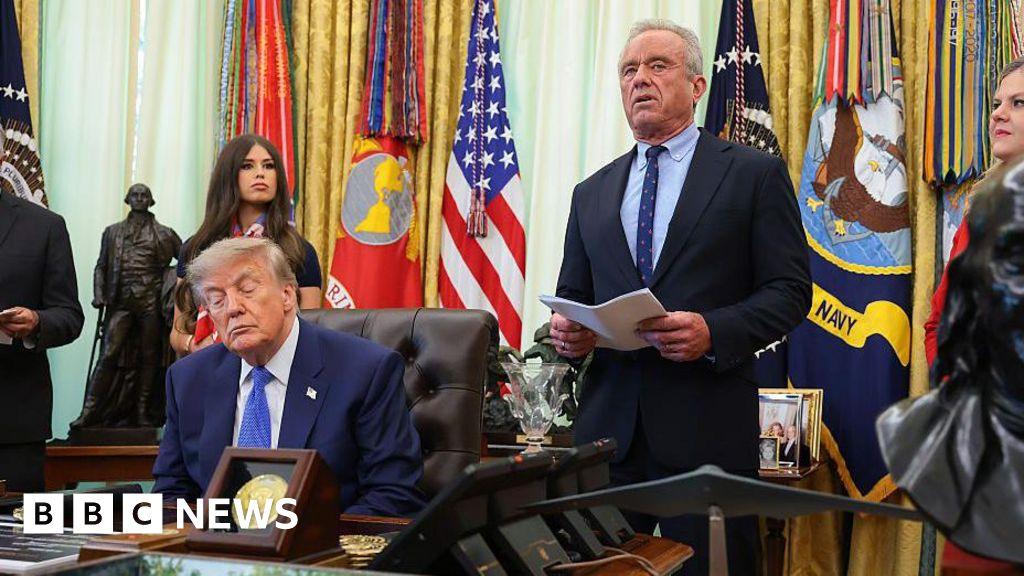
The Hill reported that Trump said the order would recommend splitting up the measles, mumps and rubella (MMR) shot across three separate visits, and it quoted Trump saying, "Effective immediately, my administration is recognizing gold standard childhood vaccine recommendations for only 11 core vaccinations against the most serious and dangerous diseases, along with the MMR, which hopefully will be split up," in the Oval Office.
The Hill also quoted Republican Sen. Bill Cassidy, a physician, criticizing the order as "wrong" and saying, "This executive order is wrong. The President does not have the expertise to make these changes. Vaccines are overwhelmingly safe. Vaccines are effective. Vaccines DO NOT cause autism," on X.
CIDRAP added that the executive order urges all childhood vaccines be administered at separate visits and quoted Trump saying, "For example, at one year, you should have five separate visits for vaccines rather than getting them all in the same day," while noting there are no data showing spacing out MMR immunizations is beneficial.
Legal fight and access
The executive order’s next steps include directing the Justice Department to challenge state vaccination laws, with Reuters saying it instructs the attorney general to sue over state laws the administration says conflict with parental authority, religious freedom, disability accommodations and equal protection.
Reuters also reported that the order directs the attorney general to challenge rules on religious and medical exemptions from immunization mandates, setting up a federal fight over school immunization requirements set by states.
The BBC described how the order serves as guidance rather than a mandate because shots required for school attendance are set at the state level, while the federal government recommends immunizations for children under the order.
In a separate line of criticism, Reuters quoted Dr. Aaron Milstone of the American Academy of Pediatrics Committee on Infectious Diseases saying the main outcome would be "confusion for parents," and he added that conflicting messages would likely lead parents to delay vaccination.
The Hill reported that the federal government does not mandate vaccines and that the vaccine schedule helps influence state policies and guide which vaccines are covered by insurance, while noting that many states have already said they have lost faith in the Trump administration and are no longer following recommendations from the federal government.