USA03 June, 20263 min read
Donald Trump Signs Executive Order for Voluntary Early Review of Frontier AI Models
This article is an automated aggregation of coverage from news outlets. Our editorials offer in-depth analysis curated by the NewsCord team.
Voluntary framework asks AI firms to share frontier models with government for cybersecurity testing. Government reviews powerful AI models before public release to assess capabilities and risks.
Trump signs AI order
President Donald Trump signed an executive order on June 2 directing the federal government to establish a voluntary early review process for the country’s most advanced artificial intelligence models, with companies asked to allow government agencies to evaluate cutting-edge models up to 30 days before they are released to the public. The order stops short of mandating participation and explicitly bars the creation of any new licensing or permitting for AI models, with the Los Angeles Times quoting the order: "Nothing in this section shall be construed to authorize the creation of a mandatory governmental licensing, preclearance, or permitting requirement".
The policy is framed as a shift toward federal oversight of AI, with the Council on Foreign Relations noting the order requests that AI companies voluntarily provide the federal government access to "covered frontier models" for a cybersecurity review up to thirty days before their planned release. The White House text described the approach as voluntary, while the order also directs the expansion of advanced AI in national security systems and national critical infrastructure such as rural hospitals, community banks and local utilities, according to USA Today.
NSA role and debate
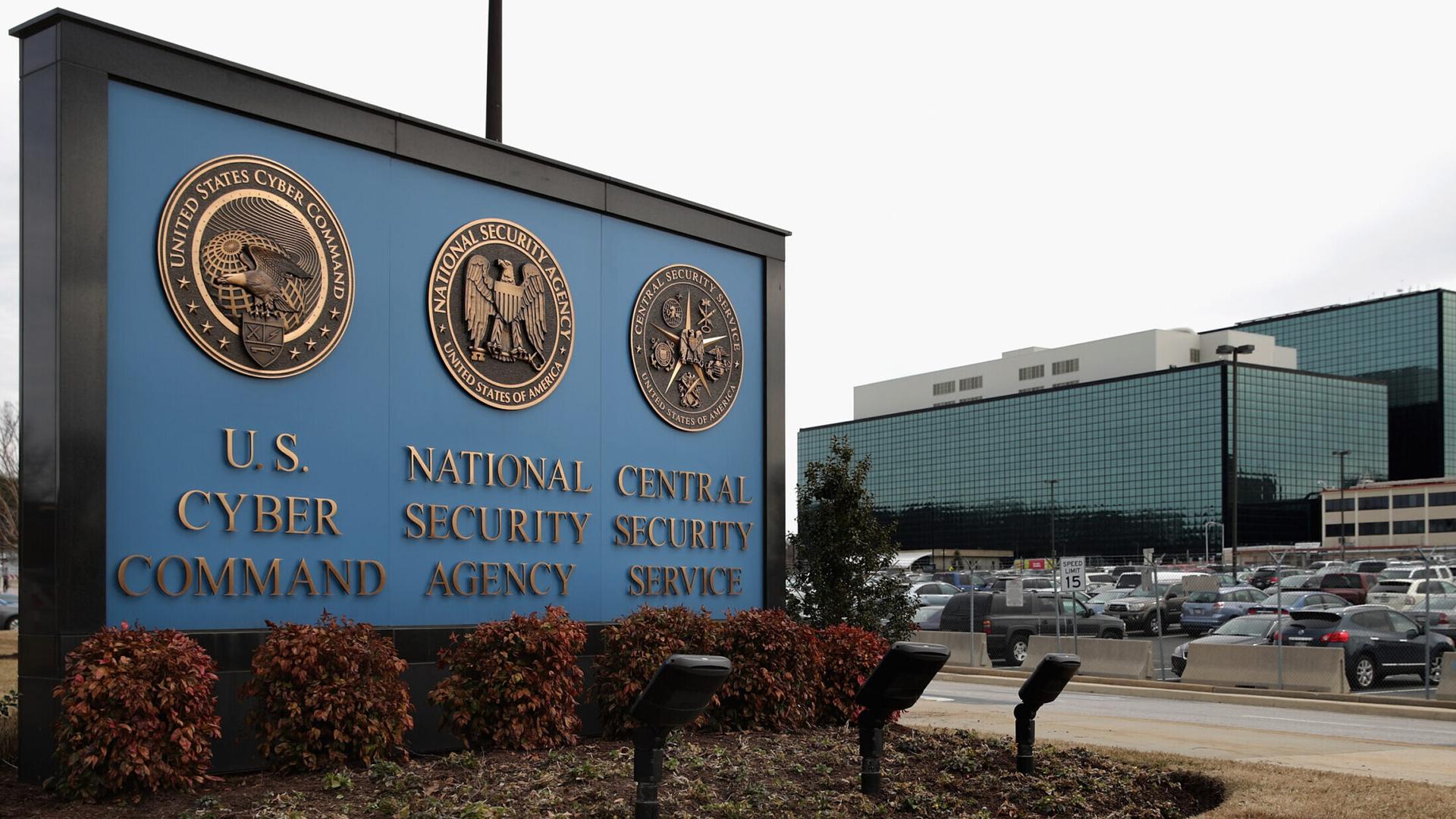
The executive order creates a "voluntary framework" for government oversight of cutting-edge AI, with the National Security Agency playing a central role in defining "covered frontier models" and developing a classified benchmarking process, according to Breaking Defense. Breaking Defense reports that the document directs the NSA to "develop and maintain a classified benchmarking process" to assess the advanced cyber capabilities of AI models, and it says the AI developers themselves may or may not be informed of those assessments "as appropriate."
Abundance Institute CEO Christopher Koopman warned in a post on X that being labeled a "covered frontier model" isn’t voluntary at all, writing, "Being labeled a ‘covered frontier model’ isn’t voluntary at all." In parallel, Politico described how supporters of tougher federal scrutiny see the order as a long-term win, quoting Steve Bannon saying, "For the first time it’s on a piece of paper, a structure and a process," while also arguing the process is still "pretty ill-defined."
Industry praise, critics push
Supporters and critics framed the order differently, with USA Today reporting that Microsoft President Brad Smith called it "an important step toward advancing innovation while protecting the security of the American public."
USA Today also quoted California Gov. Gavin Newsom saying, "This EO is nowhere near California’s approach, but at least Trump is starting to acknowledge that AI shouldn’t regulate itself!"
Reuters reported that the Trump administration would ask US AI firms to voluntarily submit models for cybersecurity tests, and the Council on Foreign Relations described the order as an attempt to engineer a cybersecurity window of opportunity by granting defenders preferential access to frontier cyber capabilities.
Politico added that pro-regulation voices hailed the executive order as proof that momentum is on their side, with Brad Carson saying, "They have exploded the Overton window," and Caleb Knapp arguing the voluntary framework "is not enough" and that Congress should require AI developers to share their models for review before release.