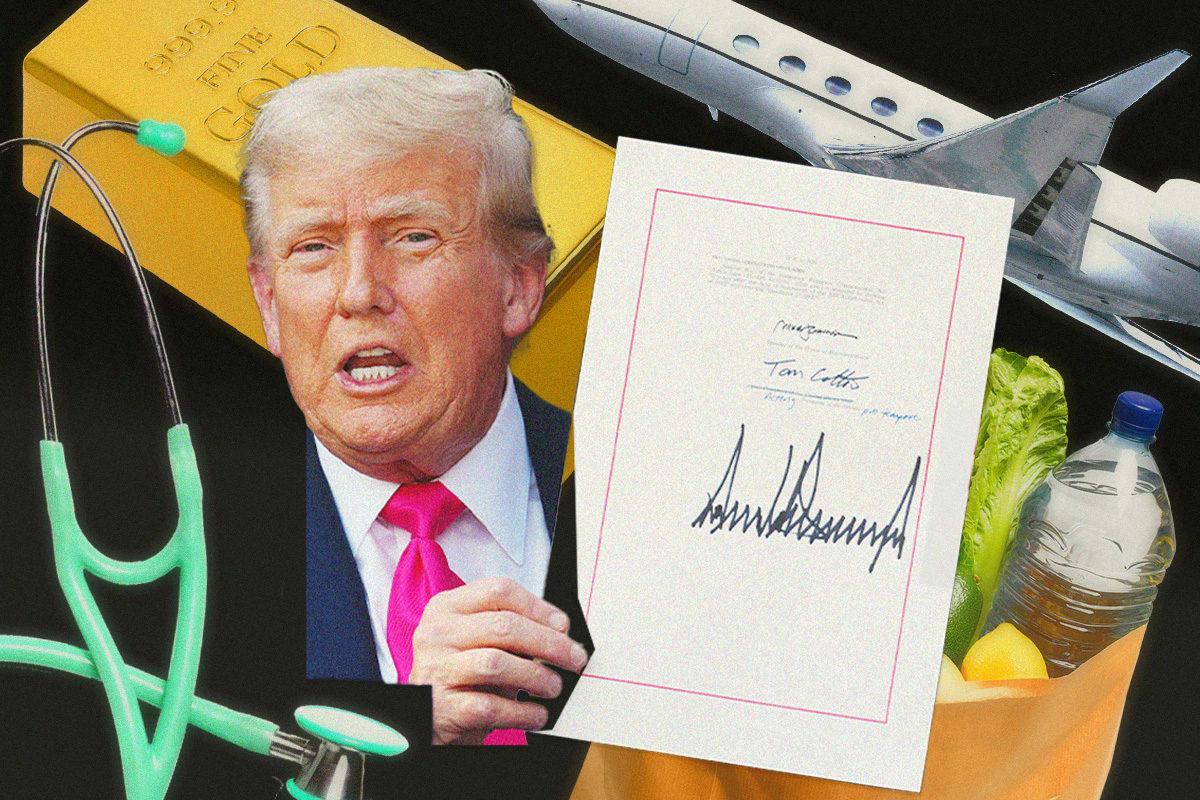
Donald Trump Suspends USAID Humanitarian Programs, Cutting Afghanistan Aid and UNICEF Funding
Key Takeaways
- Trump suspended all USAID humanitarian programs, initiating a 90-day freeze.
- The move signals a broader U.S. shift toward disengagement from developing countries.
- The policy era includes a major rollback of federal programs for the poor.
Aid freeze and cuts
Barely sworn in as President of the United States on January 20, 2025, Donald Trump suspended all programs of the federal agency in charge of humanitarian aid (USAID), beginning with a 90-day freeze on subsidies.
“Some strokes of black marker and billions of dollars in aid to the most destitute people vanish into thin air”
BFM reports that the staff of the federal agency that had managed an annual budget of $42.8 billion were put on leave or laid off, with about 800 programs canceled.
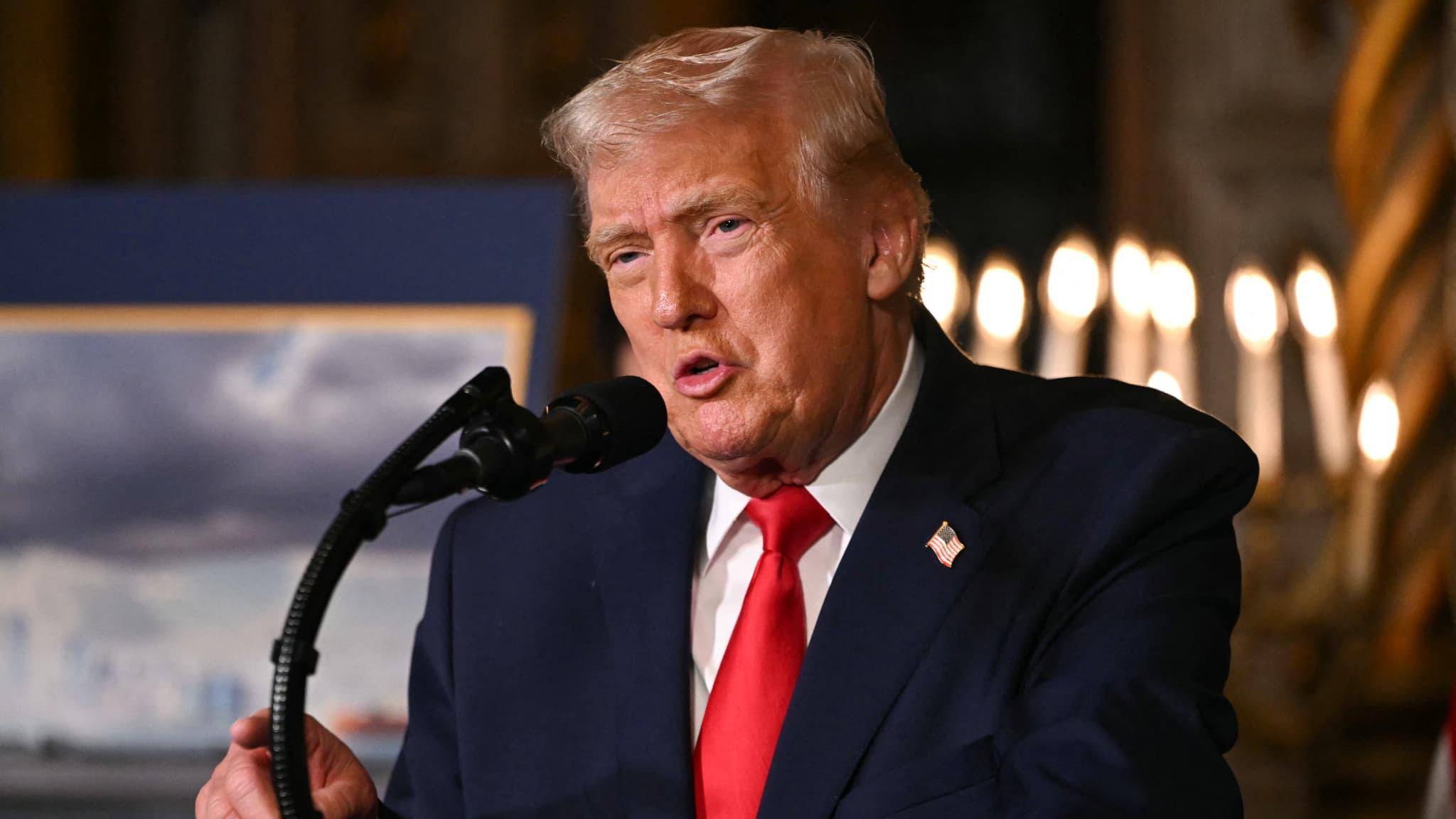
After six weeks of review, Secretary of State Marco Rubio announced on March 10 that 83% of USAID programs are eliminated, and BFM says legal actions filed in response were followed by federal judges blocking some decisions but leaving damage done.
In Afghanistan, BFM says the NGO Première urgence internationale (PUI) suffered the shock as of April 5, with Arthur Comon describing that stopping American funding forced 50% of one activity to be stopped, equivalent to 60 health centers and 900,000 annual consultations.
BFM also reports that the American cuts cut UNICEF’s budget and that in 2022 Afghanistan’s aid needs were estimated at €4.4 billion, while in 2025 the target of €1.7 billion was met at only 41%, i.e. €990 million.
Humanitarian operations reshaped
Le Grand Continent frames the Trump era as a reorientation of U.S. foreign policy toward financial disengagement from developing countries and multilateral institutions, calling it an unprecedented threat over development finance.
It says that with 60 billion dollars per year, including 40 billion earmarked for USAID, U.S. aid represented between a quarter and a third of total aid, and for about fifteen countries more than 10% of their tax revenues.

Le Grand Continent adds that the Spring Meetings held in Washington, D.C. at the end of April were awaited with unprecedented anxiety, and it describes Scott Bessent’s April 23 announcement that the United States did not intend to break with the Bretton Woods institutions.
BFM reports that the State Department signed on December 29 in Geneva a memorandum with the UN Office for the Coordination of Humanitarian Affairs to dictate how it should operate going forward.
BFM quotes the U.S. Department of State press release praising an end to the “tangled web of United Nations humanitarian missions,” and it says the UN Under-Secretary-General for Humanitarian Affairs, Tom Fletcher, applauded the approach.
Domestic bill and fallout
NBC News says that on July 4, 2025, Republicans celebrated Trump’s “big, beautiful bill” with fireworks and fighter jets, and it describes the law as unleashing the biggest-ever rollback of federal programs serving the poor while extending trillions of dollars in tax breaks disproportionately benefiting the rich.
“On July 4, 2025, Republicans celebrated Trump’s “big, beautiful bill” with fireworks and fighter jets”
NBC News reports that for every $1 cut from programs for low-income Americans, the wealthiest 1% will get about $1 back in tax breaks, and it says at least 4 million people have lost food stamps so far.
NBC News adds that hospitals have begun laying off workers and closing clinics, and it warns that 10 million more people could be left without health insurance by 2034.
The article also quotes Chris Howard, a professor of public policy at the College of William & Mary, saying the result amounts to “Robin Hood in reverse,” and it quotes Sharon Parrott, president of the Center on Budget and Policy Priorities, saying “They extended tax cuts for very wealthy people, they expanded tax cuts for very large estates.”
NBC News concludes that the political fight over its impacts is only beginning, with Democrats preparing to make it a centerpiece of their midterm elections message while the White House emphasizes new tax breaks included in the law.
More on USA
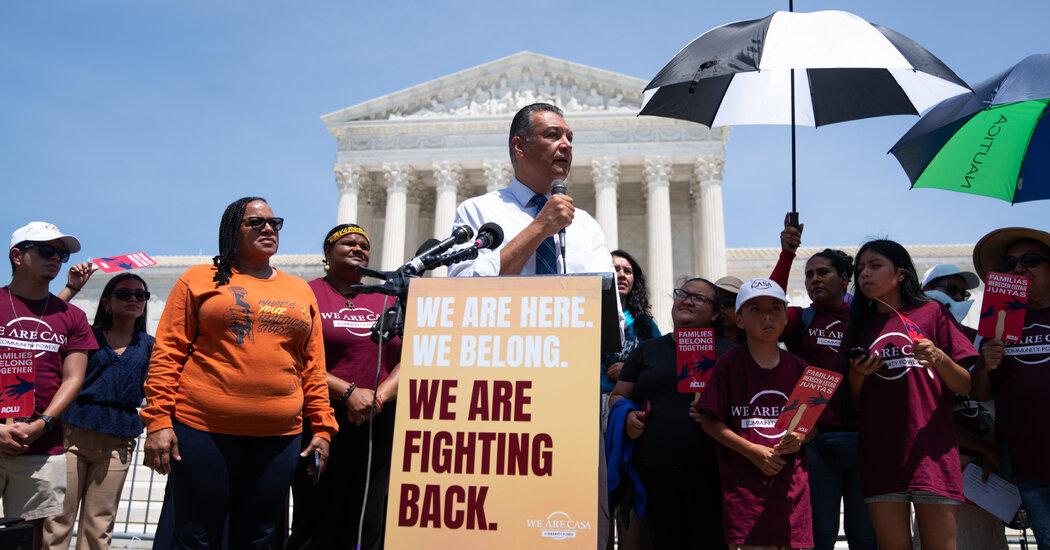
U.S. Supreme Court Rejects Trump Bid to End Birthright Citizenship in 6-3 Ruling
24 sources compared
Todd Blanche Orders DOJ Crackdown on Birth Tourism After Supreme Court Upholds Birthright Citizenship
17 sources compared
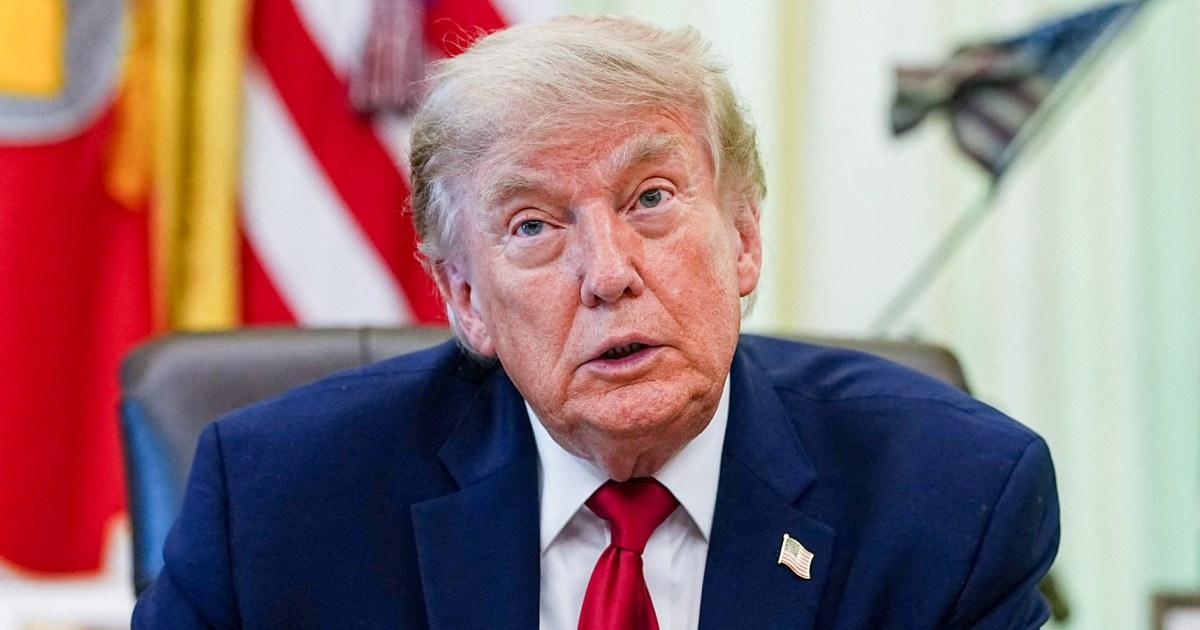
U.S. Supreme Court Rejects Trump Order Restricting Birthright Citizenship, Alito Warns National Security Threat
25 sources compared
John Brennan Sues Trump Administration, Demands Preservation of Justice Department Investigation Records
10 sources compared