Europe11 July, 20263 min read
Donald Tusk Announces Warsaw Wall Of Remembrance For Volhynia Victims, Calls It Ukrainian Nationalist Genocide
This article is an automated aggregation of coverage from news outlets. Our editorials offer in-depth analysis curated by the NewsCord team.
Tusk announced a Warsaw memorial wall honoring Polish victims of the Volhynia massacre. He called the Volhynia killings genocide by Ukrainian nationalists.
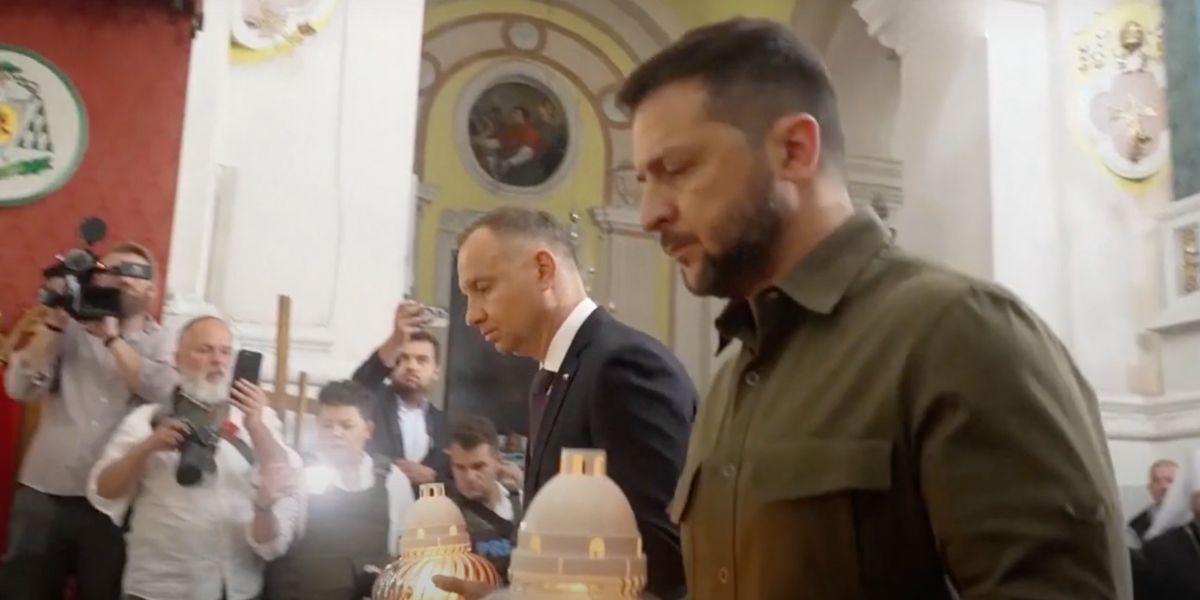
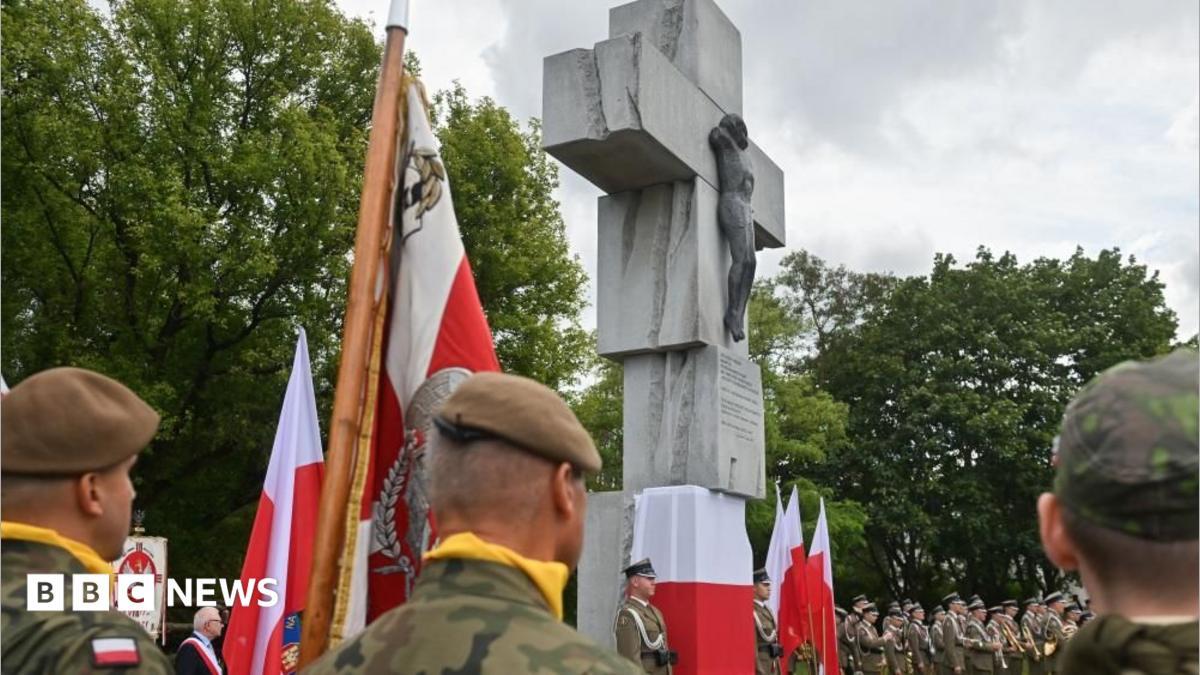
Memorial in Warsaw
Poland’s Prime Minister Donald Tusk announced on July 11 the creation of a “Wall of Remembrance” in Warsaw, with an eternal flame and the names of every victim who has been found and identified, to mark civilian killings in Volhynia during World War Two. Tusk framed the killings as “a genocide committed by Ukrainian nationalists,” speaking on the anniversary of what Poland calls the “massacre” in Volhynia in 1943-45, when it says some 100,000 ethnic Poles were killed by the Ukrainian Insurgent Army (UPA) in the years 1943-45.
“‘Truth is our duty toward the victims, but also a way to overcome a painful past for the sake of a better future.”
The BBC reported that Tusk urged Ukraine to “embrace this truth” if it wanted one day to join the European Union, while noting that many in Ukraine see the UPA as heroes who fought for independence and against Nazi Germany and Polish authorities. The dispute has long strained relations between Warsaw and Kyiv, and the BBC said up to 10,000 Ukrainian civilians are also estimated to have been killed, with many Ukrainians viewing the UPA differently from Poland’s characterization.
EU accession and dispute
The BBC said Tusk’s memorial announcement came as Poland and Ukraine remained at odds over Volhynia, and it described how last month Ukrainian President Volodymyr Zelensky was stripped of Poland's highest state honour over his decision to name a Ukrainian military unit after the UPA. In a video address late on Saturday, Zelensky said that “representatives of the Ukrainian state took part in joint prayers with representatives of the Polish state” in both countries to commemorate the victims of the Volyn killings.
The Bamada.net interview around Zelensky’s visit to Warsaw said the deputy emphasized unresolved issues such as the exhumation of victims of the Volhynia massacre, and it reported that Dworczyk condemned Zelensky’s comments targeting Polish presidential candidate Karol Nawrocki. Bamada.net also said Anton Drobovych, director of Ukraine’s Institute of National Memory, stated in 2023 that Kyiv would not authorize the start of exhumations as long as the memorial had not been restored, while noting that Zelensky has since said he is willing to lift the ban on exhumation operations in Ukraine.

Reactions and reconciliation
Ukrainian and Polish officials used commemorations to argue for reconciliation, with the BBC reporting that Polish President Karol Nawrocki stressed the row would not impact Poland's support for Ukraine as it continues to fight against a full-scale Russian invasion launched in 2022.
The BBC also quoted Zelensky saying, “We must not forget that now... Ukraine and Poland have one common threat, and this is a mortal threat to our independence,” while describing how three former Ukrainian presidents returned their White Eagle awards to Poland in solidarity with Zelensky.
In Warsaw, the Ukrainian Ambassador to Poland Vasyl Bodnar laid a wreath at the memorial in Volhynia Square and said Ukraine supports “the continuation of dialogue with Poland,” adding that “Ukraine advocates for establishing the full historical truth, continuing search and exhumation efforts, and fostering professional dialogue among historians.”
The Kyiv Post reported that Poland claims between 70,000 and 100,000 Polish civilians were killed between 1943 and 1945 and uses the term “genocide,” while Ukrainian historians argue those figures—especially the upper estimates—are “substantially exaggerated” and lack documentary support.