Full story
Sulyok Ousted
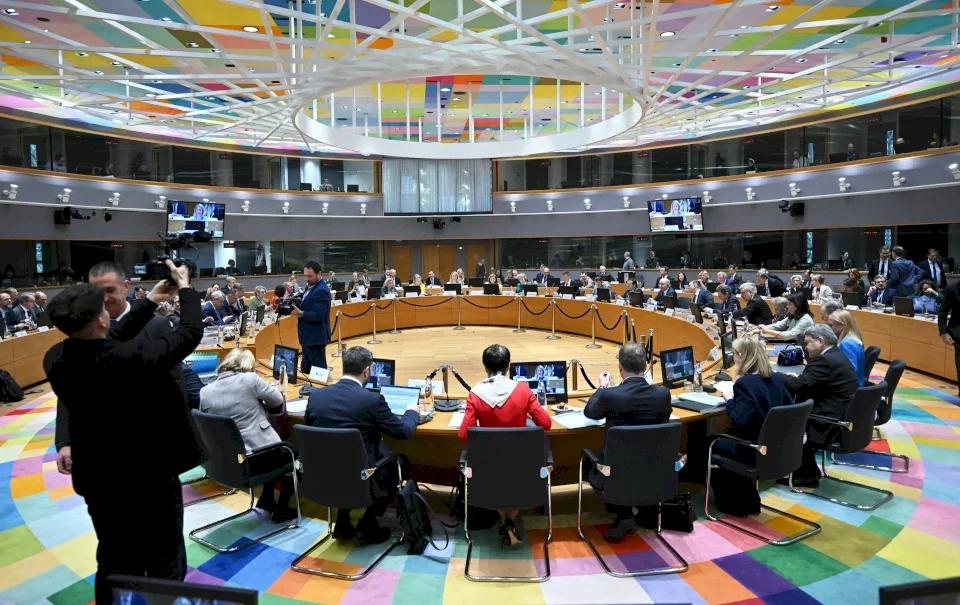
Hungary’s Parliament approved the 17th amendment to the Fundamental Law on Monday, 13 July, with all 139 MPs from the governing Tisza Party voting in favour and six MPs from Our Homeland (Mi Hazánk) voting against.
“Hungary passes constitutional amendment to remove Orbán-era president Hungary's Parliament has passed a constitutional amendment aimed at removing the president, seen as a loyalist of former Prime Minister Viktor Orbán BUDAPEST, Hungary -- Hungary's Parliament voted Monday to pass a constitutional amendment aimed at removing President Tamás Sulyok, part of an effort by the country's new leadership to dismantle the autocratic political system of former prime minister Viktor Orbán”
The amendment is designed primarily to remove President Tamás Sulyok from office, and it sets a deadline under which Sulyok’s mandate ends on the day after the amendment enters into force, with Sulyok remaining in office until the text is signed, promulgated, and takes effect.

Prime Minister Péter Magyar said, “It would be a betrayal of the Hungarian nation if we did not touch this constitution,” framing the move as dismantling the system established during Viktor Orbán’s 16 years in power.
Sulyok argued that removing a president for political reasons through a tailor-made constitutional provision is unprecedented in Europe and violates democracy, the separation of powers, and the rule of law.
POLITICO reported the amendment passed with a 139-6 margin after Fidesz and its allied KDNP boycotted the vote, and said Sulyok has five days to sign the amendment into law.
Crisis Claims and Protests
In Parliament on Monday, Magyar accused Sulyok of choosing the interests of Fidesz over constitutional principles, saying, “Whenever he has had to choose between constitutional principles and the interests of Fidesz, Tamás Sulyok has time and again chosen the interests of Fidesz.”
Sulyok told POLITICO in an interview that forcing his removal would spark a “constitutional crisis,” while the same POLITICO report said the amendment would allow Sulyok to refer the change to the Constitutional Court for only a narrow procedural review.
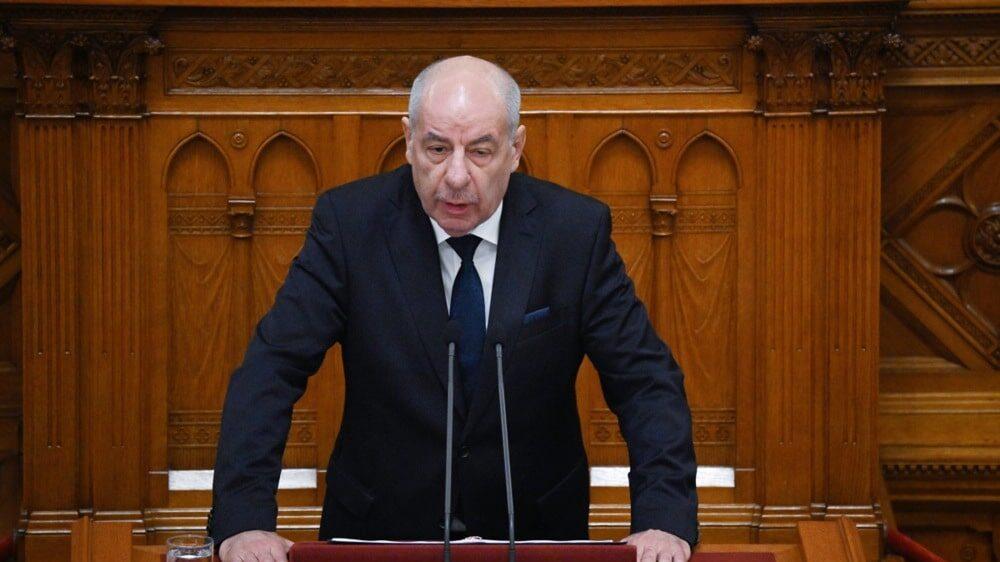
Fidesz and KDNP boycotted the sitting, and the BBC said deputies of the now opposition Fidesz party walked out before Monday’s vote, accusing the Tisza party of building a tyranny.
The BBC also quoted Péter Rona, a former opposition presidential candidate, saying, “The great irony of the situation is that Fidesz have fallen foul of their own concept of power.”
After the vote, opponents gathered for a candlelight demonstration on Kossuth Lajos Square in front of Parliament, with the silent protest beginning at 8.30pm and participants arranging candles into the shape of a cross.
What Happens Next
Under the amendment’s transitional provisions described by Hungarian Conservative, the serving president’s mandate ends on the day after the amendment enters into force, and Sulyok has five days to take either course of action, including signing or referring it to the Constitutional Court for a procedural review.
“- Published The Hungarian parliament has voted to remove President Tamás Sulyok from office, who was widely seen as a loyalist of former prime minister Viktor Orbán who lost power in April after 16 years”
If Sulyok does not sign, POLITICO said Magyar would impeach Sulyok in Parliament, while the BBC said Sulyok now has five days to sign the amendment - his own political death warrant - or refer it to the Constitutional Court.
The amendment also introduces a 12-year term limit for lawmakers, and Hungarian Conservative said it retrospectively bars anyone who has served as an MP for 12 years, or been elected three times, from standing again.
Hungarian Conservative reported that the term limit prompted Fidesz parliamentary group leader Gergely Gulyás to resign on Monday, saying he could no longer credibly lead the opposition group while constitutionally barred from contesting a future election.
Beyond the presidency, the amendment gives constitutional status to the National Asset Recovery and Protection Office (NVVH), and Hungarian Conservative said separate legislation grants the new body extensive investigative, supervisory, and prosecutorial powers, establishing an unusually powerful institution with few precedents in either modern Hungarian or European constitutional systems.