
Dozens of Palestinian Wounded Return Through Rafah Crossing After Treatment In Egypt Hospitals
Key Takeaways
- Rafah border crossing reopened with Egypt, but remains partially open under strict conditions.
- 24 Palestinians killed in Israeli strikes, including six children, amid fragile ceasefire.
- Ceasefire remains fragile amid ongoing Israeli strikes and international concerns.
Wounded return via Rafah
Dozens of Palestinian wounded returned to the Gaza Strip after a treatment trip abroad, arriving by buses to the city of Khan Younis after leaving the Rafah crossing, in scenes where “the hardship of travel mingled with the joy of arrival.”
“Dozens of Palestinian wounded returned to the Gaza Strip after a treatment trip abroad, amid scenes in which the hardship of travel mingled with the joy of arrival, in the context of a complex humanitarian reality that the enclave lives with, where the returnees insist on clinging to their land despite the destruction and loss of basic necessities”
One returnee described her journey to Al Jazeera Mubasher (Al Jazeera Live) as “arduous and exhausting,” but she praised the care she received in Egyptian hospitals, confirming that she received “humane and good treatment and attention to her health” and that she would continue treatment through new transfers.
Speaking about the moment of return, she said her feeling is “indescribable,” before she paused at “the sad reality of Gaza,” describing the scale of the destruction left by the war.
The returnees were greeted by relatives, and many were forced to reside in tents at a shelter center after Israeli forces destroyed their homes.
Another returning woman said the travel was difficult due to inspection procedures, but she insisted, “I would not leave it again,” adding that staying in a tent inside the enclave remains better than living outside.
A young man said returning to the sector represents “the only option,” and that life in Gaza despite its harshness remains better than exile.
The occupation continued acts of mistreatment against the returnees, including “security questioning,” forcing them to wait for long hours in harsh conditions, “humiliating searches,” and confiscating many of their belongings.
Strikes test the ceasefire
As wounded Palestinians returned through Rafah, Israeli strikes in Gaza killed at least 23 people early Wednesday, February 4, 2026, according to the Palestinian Civil Defense, with Ouest-France reporting that the attacks “further weaken the truce.”
Ouest-France said the Israeli army carried out “precise strikes” after “terrorists opened fire” on the soldiers, wounding an officer, and it cited the Gaza Health Ministry under Hamas authority for additional casualties.
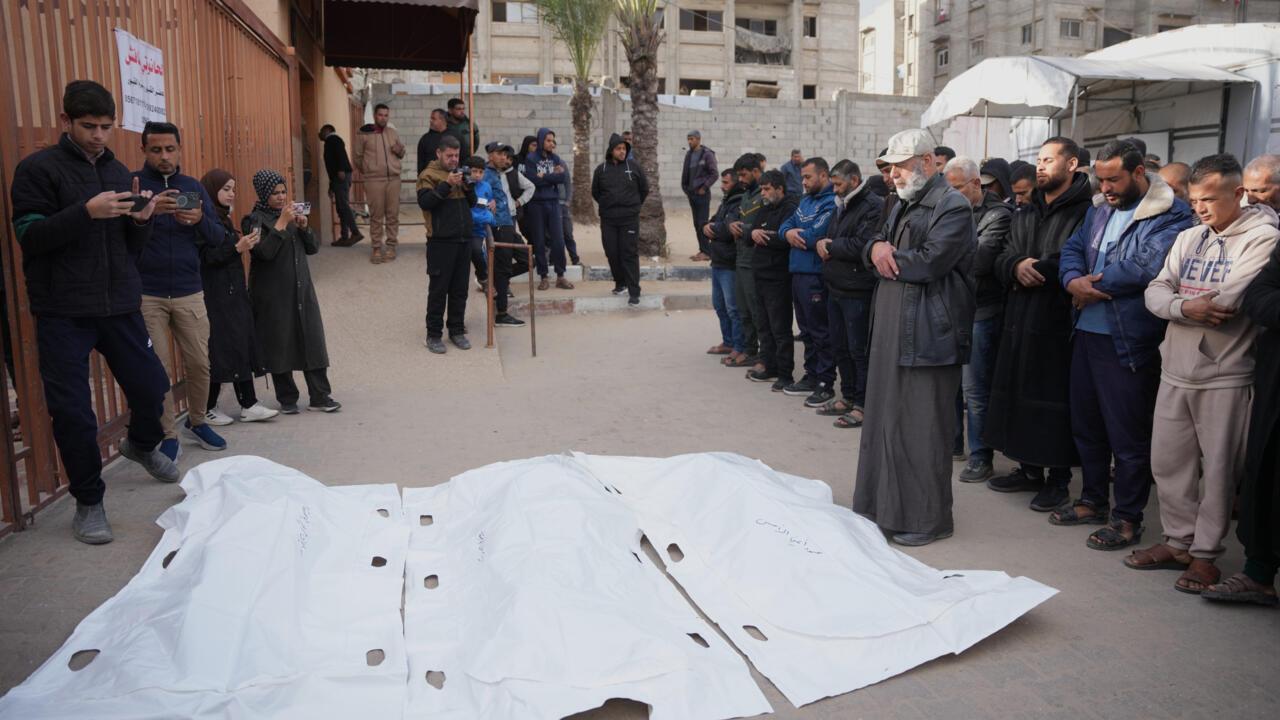
In the same early Wednesday reporting, France 24 said Israeli bombardments killed 24 on Wednesday, including six children, and that about forty wounded were reported, describing the situation as a “fresh violation of the fragile ceasefire.”
France 24 quoted survivor Abu Mohammed Haboush, saying, “We were asleep when suddenly a rain of shells and gunfire swept over us,” and he added, “Young children were killed; my son and my nephew are among the dead.”
Le Devoir and Le Quotidien de La Réunion echoed the same survivor account, with Le Devoir writing that Haboush said, “We were sleeping when suddenly a rain of shells and gunfire struck us,” and that “Young children were killed; my son and my nephew are among the dead.”
Le Devoir also reported that the Rafah border crossing with Egypt remained partially open under very strict conditions, while the Israeli army said it responded to fire and killed a Hamas commander.
Across the accounts, the strikes included tank fire and air strikes, and AFP photos showed relatives praying inside the grounds of Al-Shifa Hospital, where bodies wrapped in white shrouds lay.
France 24 also reported that the Palestinian Red Crescent announced the death of one of its rescuers, Hassan Hussein Al-Samiri, during an operation to evacuate the wounded in the Al-Mawasi area in Khan Younis.
Al-Shifa shortages and evacuations
In Gaza City, the reporting converged on the strain inside hospitals as casualties were brought to Al-Shifa Hospital.
“Israeli bombardments killed 24 people on Wednesday in Gaza, according to health services, while the army said it had responded to fire and killed a Hamas commander, despite the fragile ceasefire in place since October 10”
France 24 said that in the north, 14 dead and dozens of wounded were transported to Al-Shifa Hospital in Gaza City, and it quoted the hospital director, Mohammed Abu Salmiya, denouncing “an extremely difficult situation in the territory's hospitals, due to severe shortages of medicines and equipment.”
Le Devoir similarly reported that AFP photos showed relatives of victims praying inside the grounds of Al-Shifa Hospital, where bodies wrapped in white shrouds lay, and it said a rescuer was killed.
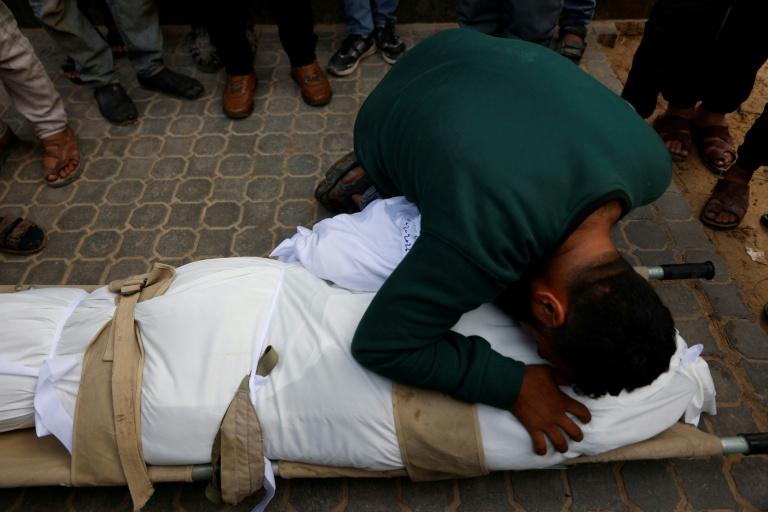
Le Quotidien de La Réunion described a man prostrating himself over the body of a person killed in an Israeli strike at Al-Chifa Hospital on February 4, 2026, and it said the hospital director, Mohammed Abu Salmiya, stated that “14 deaths and dozens of injuries had been brought there.”
The same outlet repeated the director’s warning that he denounced “an extremely difficult situation in the territory's hospitals, due to severe shortages of medicines and equipment.”
France 24 and Le Devoir both tied the hospital situation to the wider pattern of strikes, including those hitting the Al-Mawasi area in Khan Younis where tens of thousands of displaced people live in makeshift shelters.
France 24 added that the Palestinian Red Crescent announced the death of Hassan Hussein Al-Samiri during an operation to evacuate the wounded in that area.
In parallel, the Israeli army said it had taken measures “to limit civilian casualties as much as possible,” a line repeated by France 24 and Le Devoir in their accounts of the strikes.
Rafah reopens, but limited
The sources linked the fragile truce to the partial reopening of the Rafah border crossing with Egypt, which France 24 described as reopened “three days after the reopening of the Rafah border crossing with Egypt.”
France 24 said Israel had agreed to very partially reopen Monday the Rafah crossing, the only access to the outside world for the territory besieged by Israel since the start of the war on Oct 7, 2023, and it said the reopening allowed a passage for a few dozen Palestinians in both directions.
It specified that the crossings were mainly for patients or wounded evacuated to Egypt, accompanied by their relatives, or residents returning after receiving care, while the crossing remained closed since the Israeli army had taken control of the Palestinian side in May 2024.
Le Devoir and Le Quotidien de La Réunion similarly stated that Rafah remained partially open under very strict conditions, with only a few dozen Gazans crossing so far in both directions.
Le Devoir reported that during the night, a bus carrying Palestinians returning from Egypt via Rafah arrived in Khan Younis, and it described women and children getting off and being welcomed by relatives eager to embrace them.
Le Devoir quoted Palestinian woman Fariza Barabakh saying, “I can't describe what I feel,” and “I am so happy to be reunited with my husband, my children, my family, my loved ones, and of course, to return to my country.”
Le Quotidien de La Réunion carried the same quotes from Barabakh and added her line that “The sense of belonging to a land is more important than anything else.”
Both outlets tied the reopening to a plan under Donald Trump aimed at permanently ending the war, saying Rafah was to reopen once the last hostages held in Gaza were freed, while Israeli authorities had accepted only a very limited crossing for residents returning from Egypt and not the full opening demanded by humanitarian organizations.
Al-Jazeera Net, meanwhile, described returnees reaching Gaza by buses to Khan Younis after leaving Rafah and said many were forced to reside in tents at a shelter center after Israeli forces destroyed their homes.
Dead tolls and named commanders
The sources also detailed how the strikes were framed as retaliation and as targeted killings, while tallying deaths since October 10.
“In the Gaza Strip, at least 23 people have died after Israeli strikes that occurred early Wednesday, February 4, 2026, according to the Palestinian Civil Defense”
France 24 said the Israeli army retaliated to fire and killed several Palestinian fighters, and it reported that the army said it had killed a Hamas commander, Bilal Abu Assi, described as the head of the commando responsible for an assault on Nir Oz kibbutz on Oct. 7, 2023, during the attacks that triggered the war.
It further reported that the army said it had killed a commander of Islamic Jihad, Ali Raziana, and the head of a Hamas “terrorist cell,” Muhammad Issam Hassan al-Habil, accused of being the author of the murder of an Israeli female soldier, Noa Marciano, taken hostage on Oct. 7, 2023.
Le Devoir and Le Quotidien de La Réunion repeated the same names and the same structure of the Israeli claims, including that the strike was in response to fire that wounded an officer in northern Gaza and that the army said it had taken measures “to limit civilian damage as much as possible.”
France 24 also placed the strikes within a broader accounting of the war and the truce, saying that according to the Gaza Health Ministry, under Hamas authority, at least 523 people have been killed by Israeli strikes since October 10, while the Israeli army said it had lost four soldiers.
Le Devoir and Le Quotidien de La Réunion reported a different figure from the Gaza Health Ministry, saying at least 556 people have been killed by Israeli strikes since October 10, while the Israeli army said it had lost four soldiers.
France 24 added a reference point from earlier in the truce, saying that on January 31, Israeli strikes had killed 32 people, according to Civil Defense, in one of the deadliest days since the start of the truce.
In the same reporting thread, Al-Jazeera Net described the war waged by Israel with American support on the Gaza Strip that lasted two years, leaving “tens of thousands of martyrs and wounded,” and it said the suffering continued due to Israeli violations of the ceasefire terms that came into effect on October 10, 2025.
More on Gaza Genocide
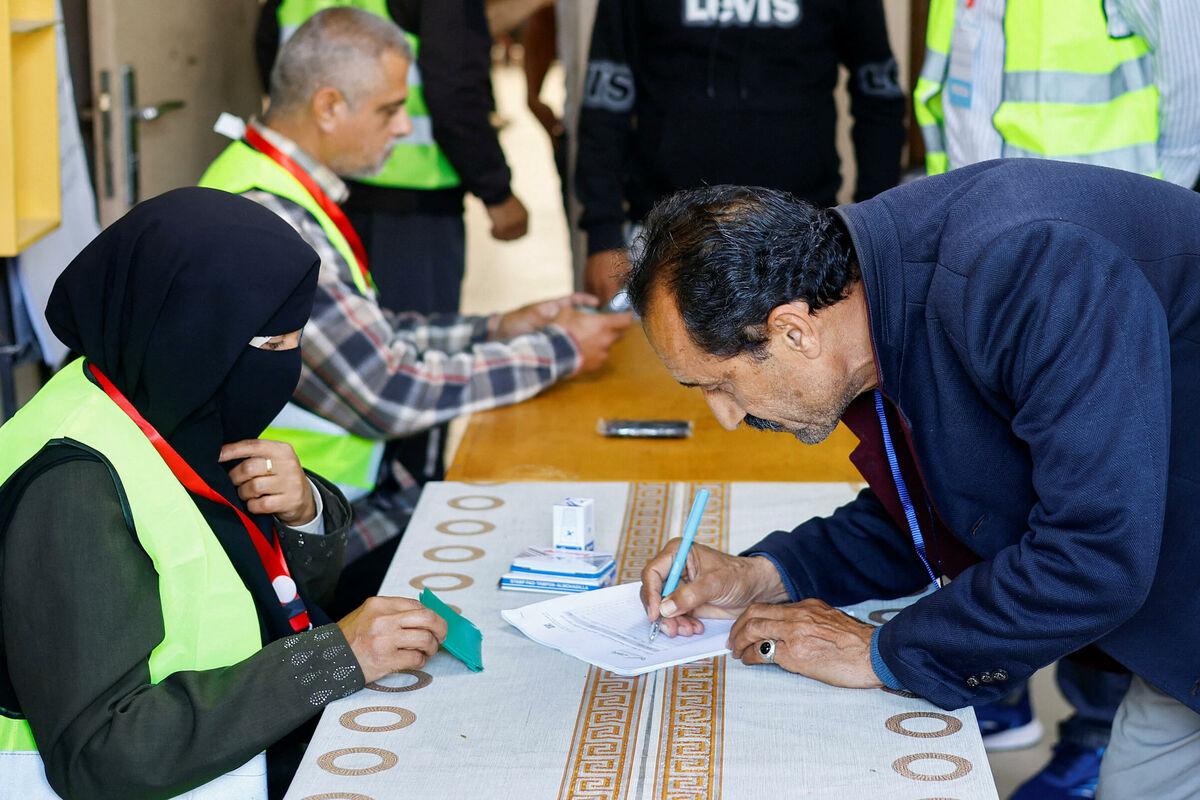
Palestinians Vote In Deir Al-Balah And West Bank Municipal Elections After Hamas Exclusion
20 sources compared

Naftali Bennett And Yair Lapid Merge Parties Into “Together” To Oust Benjamin Netanyahu
59 sources compared
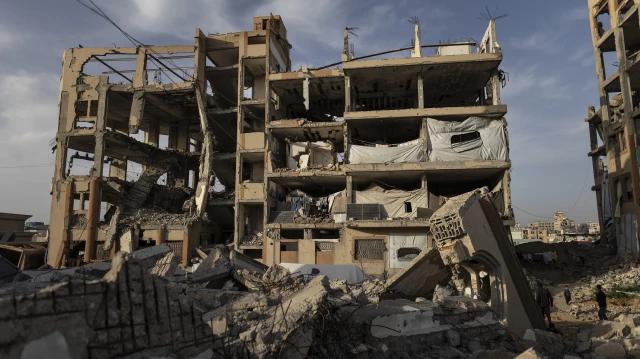
Israeli Attacks Kill At Least Four Palestinians in Gaza Despite Ceasefire
22 sources compared

Israel Prevents Essential Materials as Aid Trucks to Gaza Fall After Iran War
11 sources compared