Full story
Drone hits Zawiya power
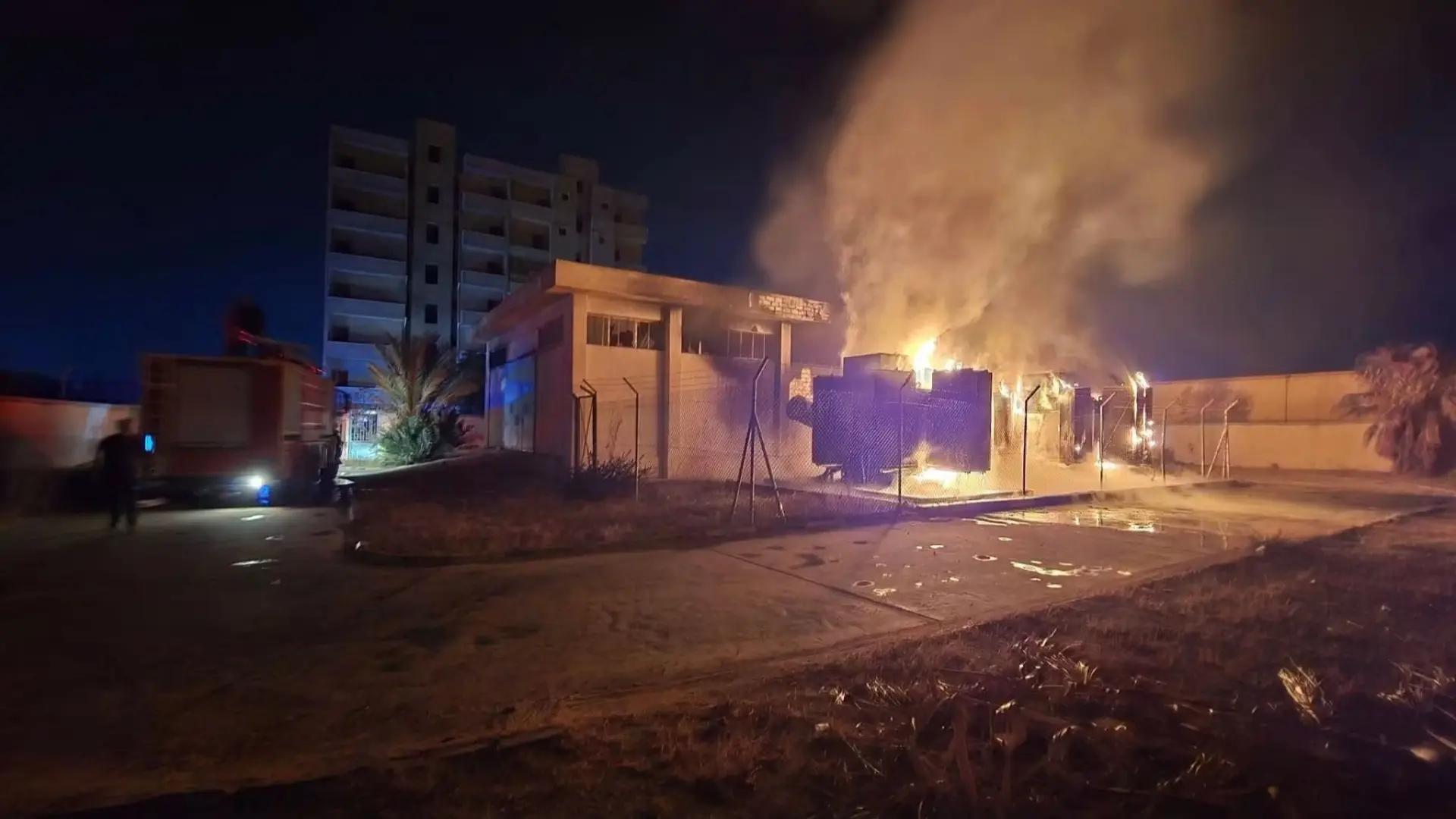
A drone attack set fire to a power substation in Zawiya, Libya, and the General Electricity Company of Libya (GECOL) said the damage rendered the substation completely offline, triggering power outages in areas surrounding the city.
“The company warned of the repercussions of continued attacks on electricity infrastructure.”
The attack struck a power substation south of Zawiya in western Libya, and GECOL warned that repeated attacks could exacerbate the electricity crisis and lead to partial or widespread power outages in several regions.

GECOL also said the security situation disrupted the work of technical maintenance teams, hindering efforts to bring offline generating units back online and further straining the country’s electricity grid.
In a separate report on the same broader pattern of attacks, the Independent en Español said the state-owned General Electricity Company reported the substation in Zawiya was “completely burned” and that the attack caused power outages in the southern parts of the city.
The Independent en Español added that Abdul-Hamid Dbeibah condemned the attacks on energy and electrical facilities as “a grave crime and an escalation that will not go unpunished.”
Oil refinery fires and claims
The drone campaign in Zawiya also struck oil infrastructure, with Middle East Eye describing drone attacks on the country’s largest operational oil refinery and the central bank governor’s resignation amid broader turmoil.
Middle East Eye reported that Libya’s National Oil Corporation said a drone directly struck a tank holding about 4.5 million litres of fuel at the Zawiya oil refinery, and the resulting fire caused the tank to collapse.

The same report said Zawiya is Libya’s largest operational refinery and can process 120,000 barrels of oil per day, while medics treated several people for smoke inhalation after the fire.
Middle East Eye quoted Hamish Kinnear, principal Middle East and North Africa analyst at risk intelligence company Verisk Maplecroft, saying the killing and attacks were “a reminder that security in eastern Libya remains fragile despite the domination of Khalifa Haftar’s LNA”.
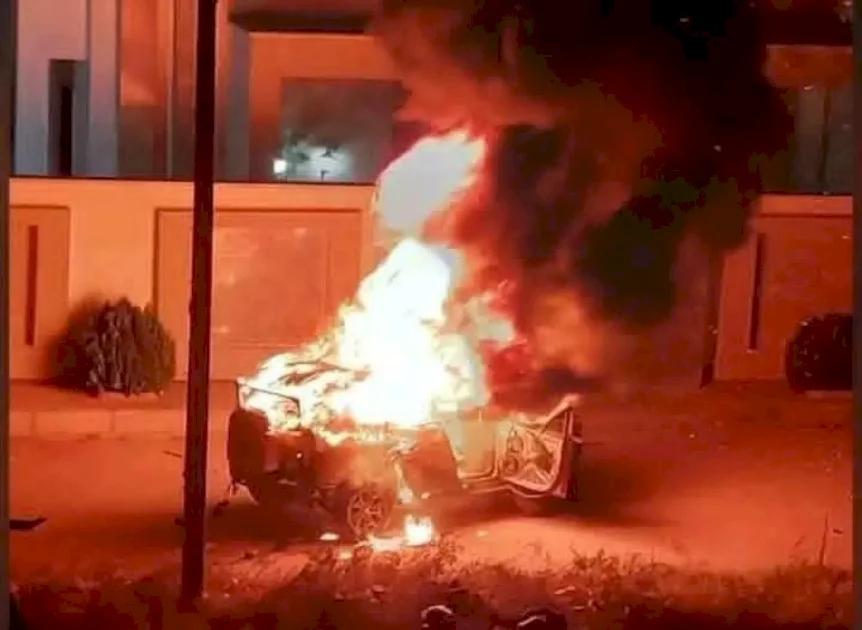
In the Independent en Español account, a drone struck a fuel-laden tanker at the Zawiya refinery on Monday, triggering a huge fire that firefighters fought for more than 15 hours, and it said no group had claimed responsibility for the drone attacks so far.
Power outages, force majeure risk
As attacks continued to hit energy and oil assets, Anadolu Ajansı reported that a drone strike targeted a power station in Zawiya early Wednesday following a series of attacks on critical energy infrastructure in the area.
“the Zawiya Oil Refinery had been targeted for a fifth time since Sunday”
Anadolu Ajansı said Libya’s National Oil Corporation (NOC) warned that the Zawiya Oil Refinery had been targeted for a fifth time since Sunday, and it described an explosive-laden drone striking the roof of a diesel tank on Tuesday and triggering a fire that was later brought under control.
Asharq Al-Awsat quoted Mohammed al-Bakoush, director of the emergency and crisis management department at the National Safety Authority, saying “drone chaos and armed groups” had contributed to deteriorating security around the strategically important refinery.
Asharq Al-Awsat also warned that further strikes could prompt the NOC to declare force majeure and suspend operations at the Zawiya refinery, and it said such a declaration would halt the refining of 100,000 barrels per day from the Sharara field and stop exports of around 200,000 barrels of crude through Zawiya port.
The same report framed the stakes in terms of national output, saying Libya produces around 1.4 million barrels of crude per day and that a shutdown would deprive the country of more than 20 percent of its oil output, posing a serious threat to an economy dependent on petroleum revenues.