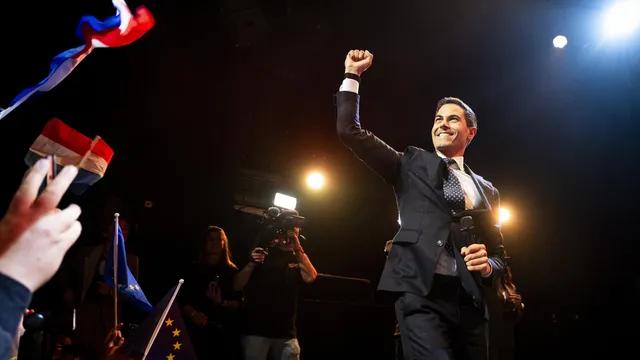
Europe27 October, 20252 min read
Dutch Voters Reject Far-Right Wilders as Rob Jetten Prepares to Lead Government and Push Anti-Putin Agenda
Centrist liberal party D66, led by Rob Jetten, won the Dutch parliamentary election with 27 seats. Far-right Freedom Party (PVV) led by Geert Wilders lost seats, securing around 23-25 seats.
26 outlets told this the same way.
Outlets did split on Marco Rubio Urges Europe To Awaken From Slumber In Athens Speech →
Dutch Election Early Results
Exit polls and early tallies indicate a setback for Geert Wilders’ far-right Party for Freedom (PVV). Rob Jetten’s pro-EU D66 is projected to lead with 27 seats according to multiple outlets. The PVV is expected to fall back to the mid-20s in seat count.
“D66 emerged as the winner with 27 seats, surpassing the far-right Party for Freedom (PVV) led by Geert Wilders, which suffered significant losses, dropping 12 seats to 25.”
The VVD and the GreenLeft–Labour bloc are trailing behind these parties. Several sources interpret this as voters moving away from the far right. This shift positions Jetten to take the initiative in coalition talks.

Election Tensions and Challenges
The campaign and vote unfolded amid tensions, anti-immigration protests, and disinformation. Reports describe clashes around asylum-seeker shelters, including a violent demonstration in The Hague. PVV-linked AI-generated images targeted leftist leader Frans Timmermans, which was followed by an apology.
Even when polling strongly, Wilders faced a wall from mainstream parties refusing to govern with him. Commentary ties the prior government’s collapse to disputes over hardline migration policy.
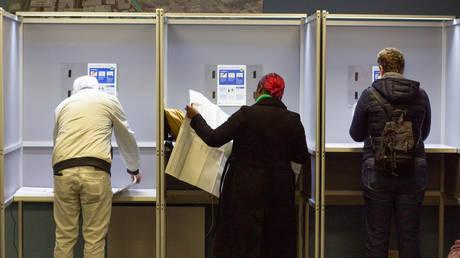
Dutch Coalition Formation Update
Coalition arithmetic now dominates the political landscape. Outlets suggest Jetten’s D66 leads formation efforts, potentially with GroenLinks‑PvdA, CDA, and possibly VVD. However, VVD leadership has expressed reluctance to partner with GroenLinks‑PvdA, making talks complex.
“The election results suggest a likely moderate coalition government led by D66’s young leader Rob Jetten... Potential coalitions involving D66, GroenLinks-PvdA, CDA, and possibly the conservative VVD could form a majority, though VVD leader Dilan Yeşilgöz has expressed reluctance to partner with GroenLinks-PvdA.”
Most reporting expects PVV to be excluded by other parties. Projections generally place VVD near the low‑20s and GreenLeft‑Labour around 20, underscoring the need for a multi‑party deal.
Dutch Political Landscape Overview
Jetten’s agenda features a strong pro-Ukraine, anti-Putin line alongside domestic priorities. He has highlighted the Netherlands’ firm support for Ukraine and the importance of defeating Vladimir Putin.
Some coverage frames the results as a rejection of the former right-wing populist government. Even as Wilders led some polls, other parties’ resistance to his anti-EU, anti-immigration platform left him isolated despite attempts to soften his image.
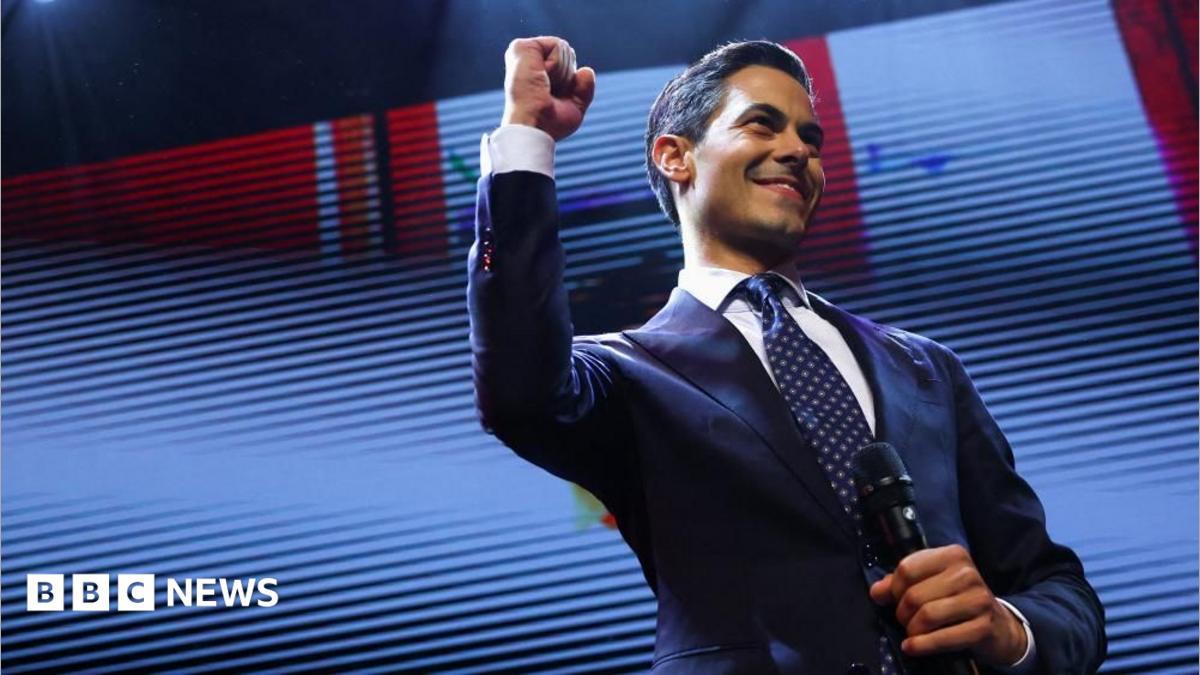
Dutch Election and Far-Right Politics
Several outlets place the Dutch result within a wider European conversation about far-right strength and centrist resilience. Uncertainty persists until a coalition emerges. Some describe a broader rejection of far-right politics.
“The election reflects a broader European rejection of far-right politics.”
Others stress that the campaign was scarred by protests and that the landscape remains fragmented. Pre-election analyses noted Wilders could win the most seats yet remain isolated. Many now see this scenario borne out by exit polls elevating D66 and constraining PVV’s options.