Africaupdated 1h ago3 min read
Eastern Libya House Of Representatives Unanimously Approves 2019 Maritime Deal With Turkiye, Greece Rejects
This article is an automated aggregation of coverage from news outlets. Our editorials offer in-depth analysis curated by the NewsCord team.
Eastern Libyan HoR unanimously approved the 2019 maritime memorandum with Turkey. HoR repealed the 2020 boycott decision and restored ties with Ankara.
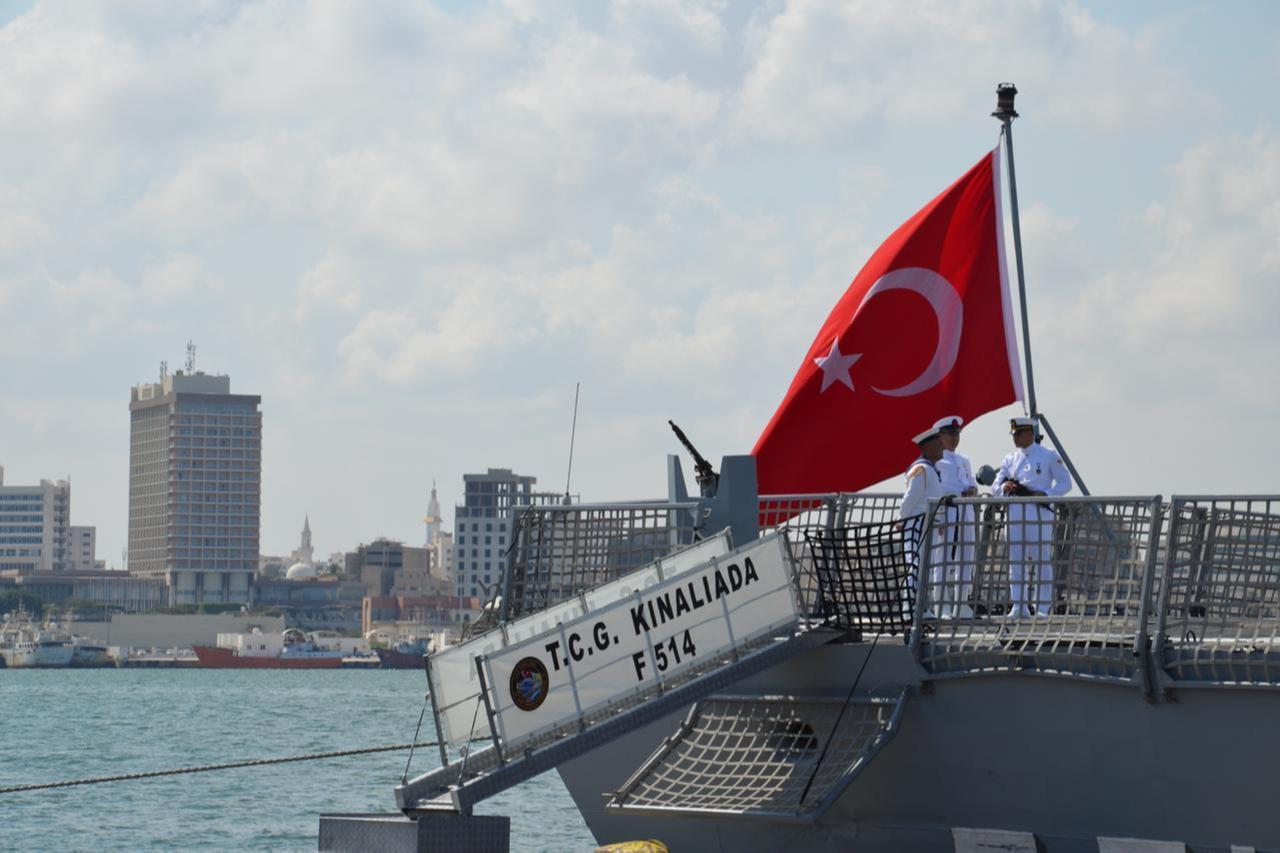
Libya backs Turkey pact
Libya’s eastern-based House of Representatives in Benghazi unanimously approved a 2019 memorandum of understanding with Turkiye on delimitation of maritime boundaries in the Mediterranean Sea, with the vote described as ending years of acrimony. Khalifa Haftar’s Tobruk-based government said the House of Representatives voted unanimously to approve the 2019 memorandum of understanding signed between Turkiye and Libya’s UN-recognised former Government of National Accord (GNA), and lawmaker Aisha al-Tabalqi told Reuters that specialized committees presented a full and detailed explanation of the deal’s provisions. Greece’s Foreign Ministry rejected the approval, saying the 2019 memorandum violated international law of the sea and infringed on the sovereign rights of states in the region, while Athens said it had informed partners and allies and would take all appropriate measures to safeguard its sovereign rights.
Tarek al-Jeroushi, a lawmaker in the eastern-backed parliament, said, “some countries may be upset by this agreement, but what matters to us is our national interest,” as the eastern parliament reversed its earlier 2020 rejection and cut political ties with Ankara. The approval came after the Libyan House of Representatives also unanimously approved the repeal of two 2020 decisions, including a decision related to rejecting ratification of memoranda between the two countries and a decision to cancel severing political relations with the Turkish Republic.

Greece denounces, Turkey hails
Greece’s Foreign Ministry framed its rejection as a legal challenge, saying the memorandum was “without legal effect” and that it violated international law of the sea while infringing on the sovereign rights of states in the region. The Greek Foreign Ministry also argued that “Turkey and Libya do not have opposite or adjacent coastlines that would justify such a maritime delimitation,” and Athens called on Libya to refrain from actions that undermine stability in the Eastern Mediterranean. Turkiye’s foreign ministry welcomed the Libyan parliament’s decision, saying the agreement respected the mutual rights and interests of both countries under international law and the principles of equity.
Libyan lawmaker Tarek al-Jeroushi told Reuters that “Some countries may be upset by this agreement, but what matters to us is our national interest,” while Libya’s House of Representatives spokesman Abdullah Bliheg wrote on X that lawmakers voted unanimously to adopt the memorandum of understanding. Jalel Harchaoui, a Libya specialist with the Royal United Services Institute, said the vote could open the way to an expanded Turkish military presence in the east, describing “Today’s parliamentary ratification is a watershed” for Libyan politics.

Energy, governance, and risk
The maritime memorandum’s stated aim was to determine maritime jurisdiction zones between Libya and Turkiye in the Mediterranean, drawing a sea line linking the southern coasts of Turkey with the eastern Libyan coasts. The memorandum also allowed the two parties to establish new economic zones, granting sovereign rights to explore energy resources and gas and oil, and to explore them in the eastern Mediterranean. Libya’s eastern administration also expanded cooperation into energy exploration, with the Turkish Petroleum Corporation (TPAO) signing a memorandum of understanding with Libya’s National Oil Corporation (NOC) for a 2D seismic survey in Libyan waters, covering four offshore blocks and an area of 10,000 kilometers (6,214 miles).
The data collected during the surveys would be processed within nine months, and the deal’s implementation remained entangled with the broader dispute over maritime claims and resource exploitation rights in the eastern Mediterranean. The approval also came alongside Libya’s eastern parliament reversing its 2020 boycott decision and repealing resolutions that had called for severing political relations with Ankara, a shift that analysts said could strengthen Turkiye’s position in the region while Greece and others continued to contest the agreement’s legal basis.