Full story
Fake judges, forged cards
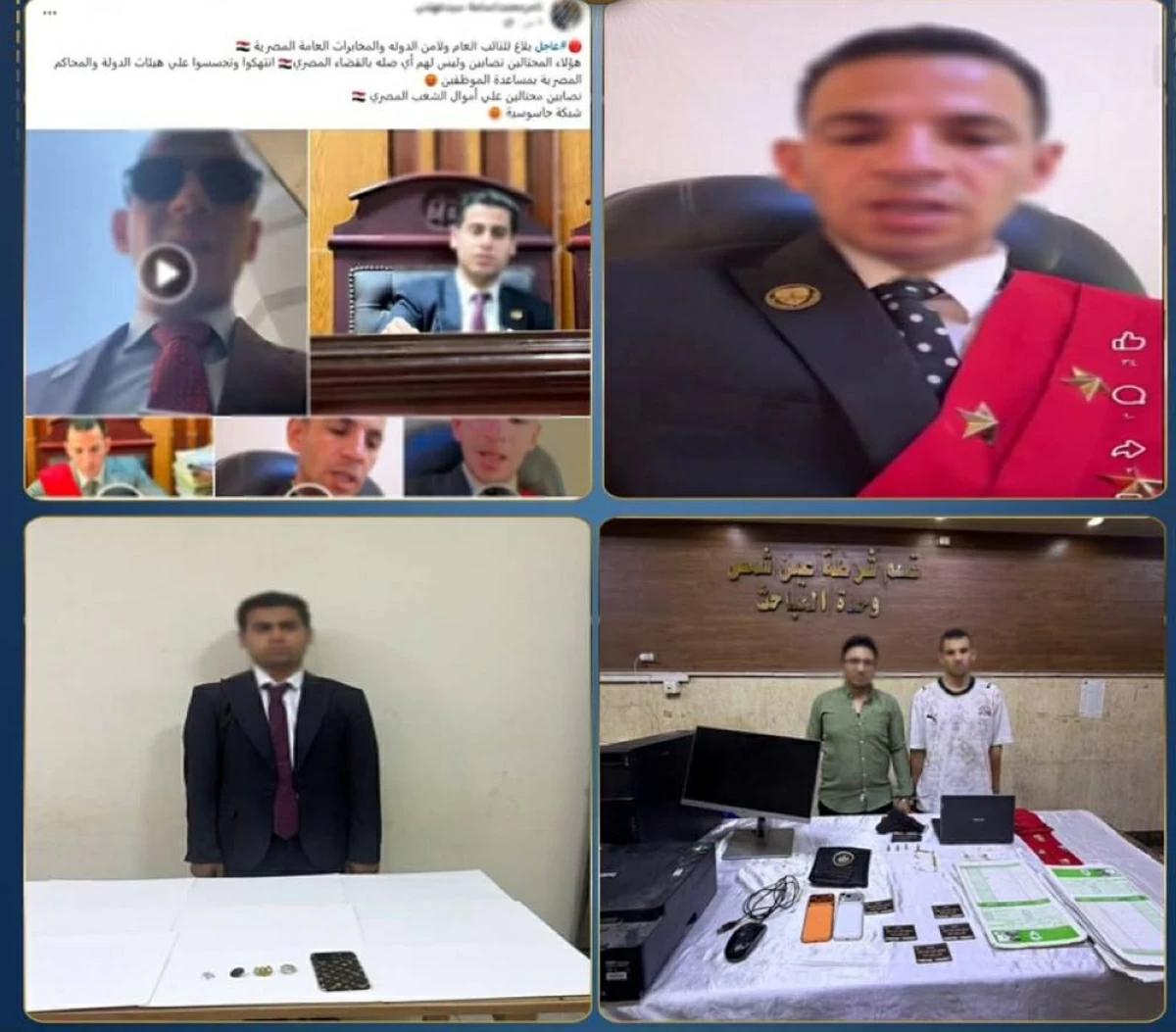
Egyptian authorities arrested two men accused of running a fraud scheme in which they impersonated judicial officials and staged fake courtroom scenes to deceive citizens into handing over money for promised government housing allocations.
“Egyptian authorities have arrested two men accused of running an elaborate fraud scheme”
Arab Times Kuwait News said police identified and arrested the suspects—an unemployed man and a student, one with a prior criminal record—from Cairo and Giza, and during the operation officers seized a blank-firing pistol, three mobile phones, a laptop containing evidence, and forged identity cards.
The BBC said Egypt's Ministry of Interior described the alleged scam as involving fabricated scenes in court and impersonating a judge on social media, with the main suspects detained after authorities launched an investigation when a man claimed he had been defrauded.
The BBC also reported that the main suspect was arrested with police seizing a firearm, judicial sash and identity cards bearing his fake judicial title, and that he confessed to filming photos and videos inside a courthouse while wearing the judicial sash to boost his credibility.
Confessions and staged court
The BBC reported that, upon questioning, the main suspects confessed to forming a criminal gang taking money from citizens by falsely claiming they could allocate housing from government agencies and that they also are said to have admitted staging fake court scenes with the help of others.
Al-Ahram, as cited by the BBC, said several suspects believed to have taken part were detained and referred for an expedited criminal trial, and it reported that court employees were detained and questioned after claiming the main suspect told them he worked for one of Egypt's judicial authorities.

The Arab Times Kuwait News account said one suspect admitted to carrying out several similar frauds and confessed that the fake identity cards were printed at a printing shop in Cairo's Mouski district, and police later arrested the operator of the printing shop.
Arab Times Kuwait News added that police seized a computer and printer containing evidence linked to the forgery operation and that the suspects were referred to the Public Prosecution, which ordered their detention pending further investigation.
Donations and legal fallout
Beyond housing promises, the Arab Times Kuwait News said one suspect was also accused of collecting donations from followers under the false pretext of raising funds for a medical case, while the BBC described the scheme as impersonating a judge on social media with fabricated scenes in court.
“collecting donations for fictitious medical cases via social media”
The Gulf newspaper Al Jazeera?—instead, the source labeled صحيفة الخليج said security forces uncovered a criminal gang that posed as judges to convince victims they could allocate government housing units and also collected donations for fictitious medical cases via social media.
صحيفة الخليج reported that investigations found one suspect was unemployed and the other a student residing in the Cairo and Giza governorates, and that during the arrest security forces found a handgun, three mobile phones, and a laptop containing evidence, along with forged personal identification cards bearing judicial titles.
After procedures, the Ministry of Interior referred the defendants to the Public Prosecution, which ordered their detention pending investigations, as the BBC noted that the plot came to light when authorities investigated a complaint of being defrauded by a man falsely presenting himself as a judge.