
Elon Musk Admits Millions of Tesla Owners Need Hardware Upgrades for Full Self-Driving
Key Takeaways
- Tesla revenues fell in 2025, per multiple reports.
- Investors remained optimistic despite earnings challenges.
- Tesla generated $1.4B in free cash flow, boosting shares.
Musk’s autonomy hardware shift
Tesla’s latest earnings and outlook triggered a new round of scrutiny over Elon Musk’s promises for autonomy, after TechCrunch Mobility reported that Musk admitted “millions of Tesla owners will need hardware upgrades” to run a “future, more capable version of its Full Self-Driving software that doesn’t require human supervision.”
“Elon Musk will distance himself from the Donald Trump administration in May to devote himself to Tesla, the electric‑vehicle brand that has suffered from this close collaboration”
TechCrunch Mobility said the admission came as Tesla’s earnings “came and went,” with investors reacting to “the $1.4 billion in free cash flow” and revenue “met or slightly exceeded expectations.”
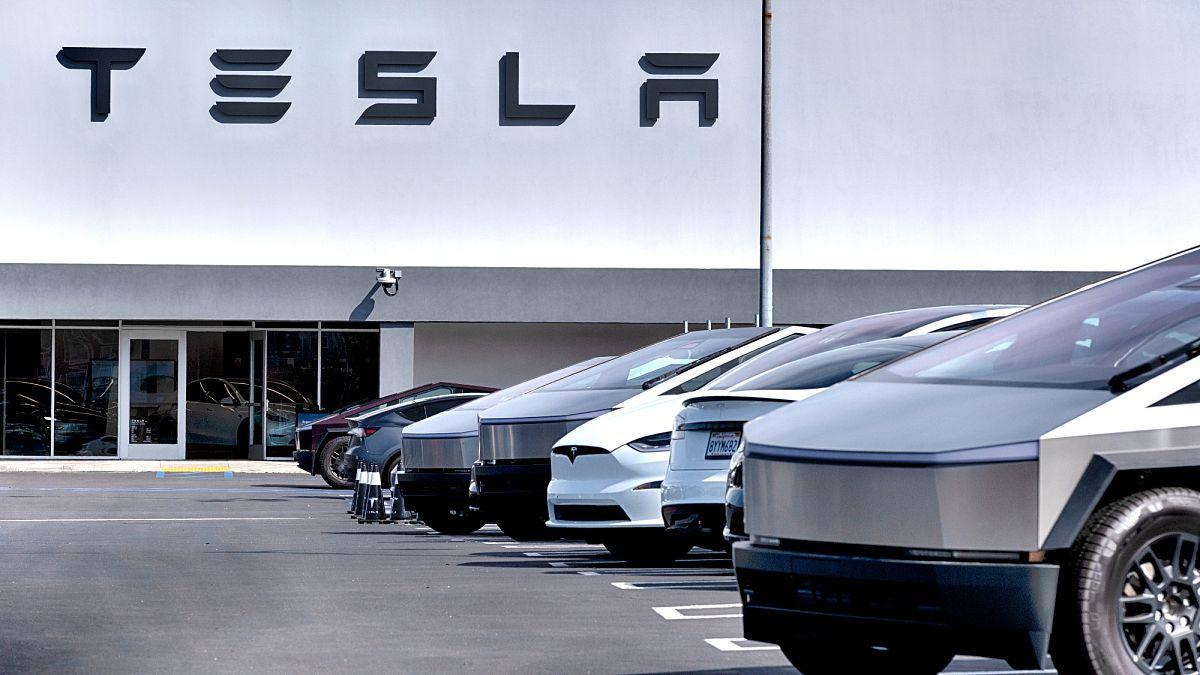
The same TechCrunch piece emphasized that Tesla has “not yet released or even proven it is capable of releasing” the advanced Full Self-Driving version, while noting that Tesla “sold these Hardware 3 cars between 2019 and 2023.”
TechCrunch Mobility framed Musk’s plan as requiring Tesla to “physically upgrade each of these vehicles,” describing the operational implication as Tesla needing to “set up microfactories in several major cities to service potentially millions of vehicles.”
It added that microfactories “is not going to be cheap,” and said the company’s capital expenditures budget expanded to “a whopping $25 billion this year.”
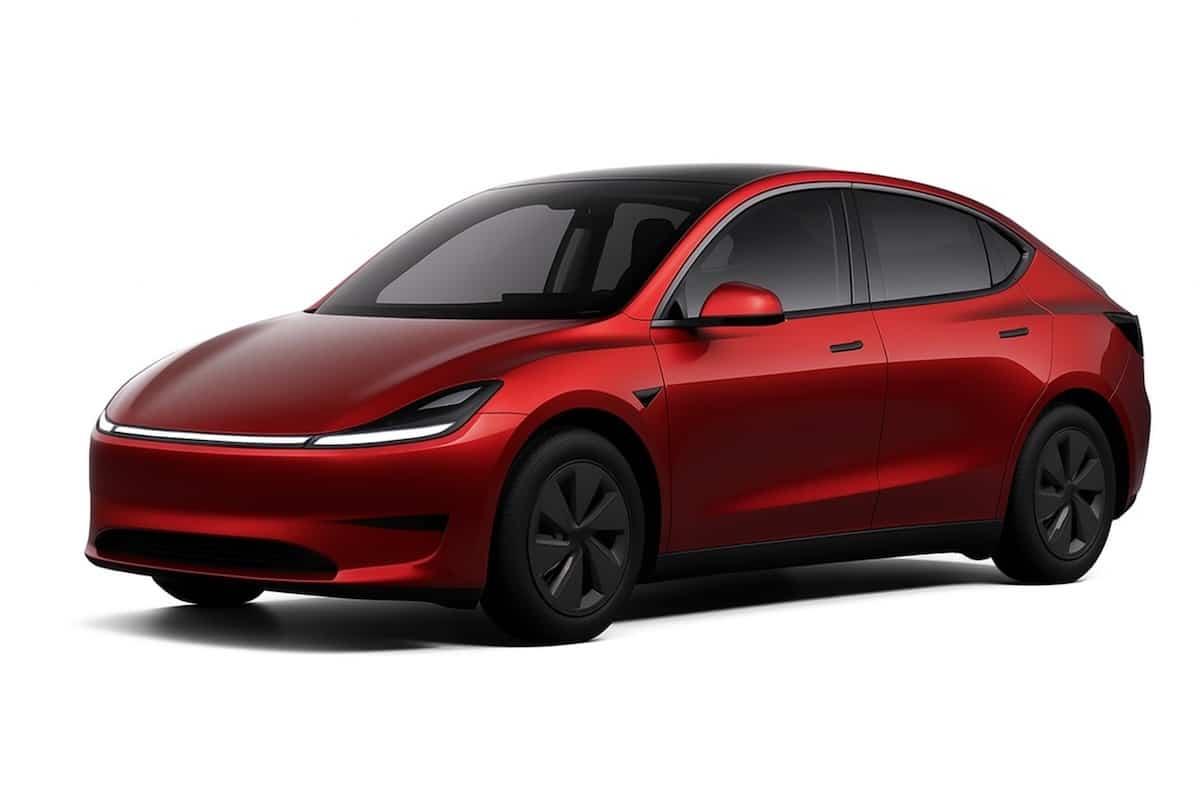
In parallel, Euronews reported that Tesla reconfirmed it planned to launch a “cheaper version” of the “Model Y sport utility vehicle” in the “first half of this year,” and that it confirmed its forecast to launch a “paid driverless-robotaxi service in Austin in June.”
Euronews also quoted Musk saying “There will be millions of Teslas operating autonomously in the second half of the year,” and it relayed Telemetry Insight’s Sam Abuelsamid saying he “doubted Musk’s predictions” because “The system isn’t robust enough to operate without supervision.”
Politics exit and earnings shock
Euronews reported that Elon Musk plans to “distance himself from the Donald Trump administration in May to devote himself to Tesla,” saying he is tasked with carrying out “sweeping cuts in public spending” but intends to focus on the “Department of Government Efficiency, called DOGE, one day or two per week.”
The outlet said Musk told an analyst conference that “the bulk of the work to stand up DOGE is done,” and it added a legal constraint: “his status as a special adviser does not permit him to be employed for more than 130 days,” forcing him to leave by “no later than this summer.”
Euronews linked the political entanglement to Tesla’s performance, stating that “Since Musk began his collaboration with Donald Trump, Tesla's vehicle sales have been plunging,” and it cited “a 71% drop in its profits and a 9% drop in its revenue in the first quarter.”
It also reported that “Only 336,681 vehicles were delivered in the first quarter of 2025, a 13% year‑over‑year drop,” and said investors wanted Musk to “reengage with Tesla,” quoting Dan Ives at Wedbush Securities saying “That's a big step in the right direction.”
Saxo’s local analysis similarly described Tesla’s earnings as “its worst earnings since 2020,” saying “net income collapsing 71% to just $409 million and revenue falling 9% to $19.3 billion,” while noting that “the stock rose by nearly 5% after hours.”
Mobiwisy, focusing on later results, said Tesla published “its financial results for the second quarter of 2025” on “Wednesday, July 23,” and it described “a 12% year-over-year revenue decline to $22.5 billion” alongside “net income of $1.17 billion” falling “16% compared to last year.”
Mobiwisy also said operating income “collapses by 42%, to only $0.9 billion,” and that “vehicle deliveries declined by 14% to 384,000 units,” while quoting Musk denouncing “headwinds” from “the decline in U.S. government support for electric vehicles.”
Robotaxi, regulators, and doubts
Euronews described Tesla’s autonomy push as moving forward even as regulators keep investigations open, saying the planned rollout of the steering-wheel- and pedal-free robotaxi comes while “federal regulators still have open investigations to determine whether the driverless technology Tesla is working on is completely safe.”
“Outrageous Predictions”
It said Tesla’s Autopilot is “under investigation by the National Highway Traffic Safety Administration,” which is “seeking to determine whether it adequately alerts drivers when their attention is diverted.”
Euronews added that Tesla’s “fully autonomous driving” is “only partially autonomous and whose name has been criticized for misleading drivers,” and it said the system has been “scrutinized for its link to accidents in low‑visibility conditions, such as glare from the sun.”
In the same report, Euronews relayed Musk’s own confidence, including the question “can you sleep in our cars and wake up at your destination?” and his answer: “I am convinced that this will be available in many U.S. cities by the end of the year.”
It then juxtaposed that with Sam Abuelsamid’s skepticism, quoting him that “The system isn't robust enough to operate without supervision” and that it “still makes far too many errors.”
Saxo’s analysis echoed the theme of uncertainty by stating that “Musk admitted tariffs are still difficult and thus not trivial,” but it also said investors were urged to wait because Tesla “did not provide fixed guidance for 2025.”
TechCrunch Mobility, meanwhile, highlighted that Musk’s hardware-upgrade admission concerns a “future, more capable version of its Full Self-Driving software” that “doesn’t require human supervision,” while also stressing that Tesla “has not yet released or even proven it is capable of releasing.”
Competition, tariffs, and cash strain
Euronews connected Tesla’s earnings pressure to tariffs, competition, and brand backlash, reporting that “Growing Chinese competition and tariffs” are challenging the company “for the first time” as it faces “fierce competition.”
It said earlier this year BYD announced it “had developed an electric battery capable of charging in minutes,” and it added that Tesla’s European rivals have begun offering new models with advanced technologies.
Euronews also tied Tesla’s troubles to public opinion, saying the CEO “has alienated potential buyers in Europe by publicly backing far‑right politicians on the continent.”
On tariffs, Euronews reported that Tesla said it would be “less affected by the tariffs of the Trump administration than most U.S. automakers, because it makes most of its cars in the United States,” but it warned it “will not be completely spared” because it “sources some materials from abroad” that will face “import duties.”
It further said Tesla warned during the results announcement that “tariffs would also affect its energy‑storage business,” and it stated “China's retaliation should also hurt Tesla.”
Mobiwisy added a financial framing around cash and free cash flow, saying Tesla remains “financially healthy, with $36.8 billion in cash,” but that “its free cash flow has fallen to only $100 million.”
Mobiwisy described the company’s strategy shift toward affordability, saying Musk formalized “the acceleration of the project for a new, smaller, cheaper electric vehicle,” with production “expected to begin by the end of 2025,” and it quoted Musk describing the new vehicle as “a completely new model, halfway between a compact and a crossover.”
Microfactories, layoffs, and new model
TechCrunch Mobility reported that Tesla’s autonomy hardware upgrade plan could require “microfactories in several major cities,” and it tied that to the company’s spending posture by saying the capital expenditures budget expanded to “a whopping $25 billion this year.”
“Elon Musk will distance himself from the Donald Trump administration in May to devote himself to Tesla, the electric‑vehicle brand that has suffered from this close collaboration”
The same TechCrunch piece also described internal restructuring tied to Tesla’s energy storage growth, saying the company “laid off around 135 employees, or roughly 10% of its workforce,” as it restructures “to better accommodate its growing energy storage business.”
TechCrunch Mobility added that “O’Kane later learned several executives have also recently left,” naming “Chief operating officer Chris Lister” as retiring and saying “at least three other VPs have left in recent months,” while Tesla told TechCrunch there was “a focus on reducing layers of management.”
In parallel, Euronews reported that Tesla reconfirmed plans for a cheaper Model Y in the “first half of this year,” and it said Tesla confirmed its forecast for a “paid driverless-robotaxi service in Austin in June.”
Mobiwisy described the affordability push as a “vital necessity,” saying Musk’s company is accelerating a “new, smaller, cheaper electric vehicle” with production “expected to begin by the end of 2025.”
It specified that production would be carried out in “Austin (Texas) and Berlin (Germany),” and it gave a target price of “$25,000 in the United States,” with the European entry version “around €30,000.”
Finally, Saxo’s analysis framed the investor reaction as a bet on Musk’s focus returning to Tesla, quoting Jacob Falkencrone’s view that “the driver has put the phone down, taken the wheel with both hands,” while also warning that “Challenges Tesla faces today are bigger than quarterly fluctuations.”
More on Business

Frasers Group Launches €38 Per Share Takeover Offer for Hugo Boss
10 sources compared
Turkey Triples Defense Exports Since 2021, Aiming To Double Deliveries In Two Years
12 sources compared
Guyana and Dominican Republic Sign Contract for Oil Exploration in Berbice Block
10 sources compared
SAIC Plans First EU Electric Vehicle Factory in Spain’s Galicia, Ferrol and As Pontes
10 sources compared