Finance19 April, 20266 min read
Energy Secretary Chris Wright Says Gas Prices Likely Stay Above $3 Until 2027
Gas prices may stay above $3 per gallon through 2027. Relief could begin later this year, but declines below $3 remain uncertain.

Wright’s $3 timeline
U.S. Energy Secretary Chris Wright told CNN’s “State of the Union” that Georgia drivers “probably shouldn’t expect fuel costs to dip back below $3 a gallon anytime soon,” and he said he does not anticipate gasoline returning to “prewar levels” until “later this year or sometime in 2027.”
“That could happen later this year. That might not happen until next year.”
In the Axios account of the same appearance, Wright said, “That could happen later this year. That might not happen until next year,” when asked when Americans should expect gas under $3.
The Honolulu Star-Advertiser similarly reported that Wright “believes gas prices have peaked but predicted that they may stay above $3 per gallon until next year,” adding that “Gas below $3 a gallon “could happen later this year, that might not happen until next year.”
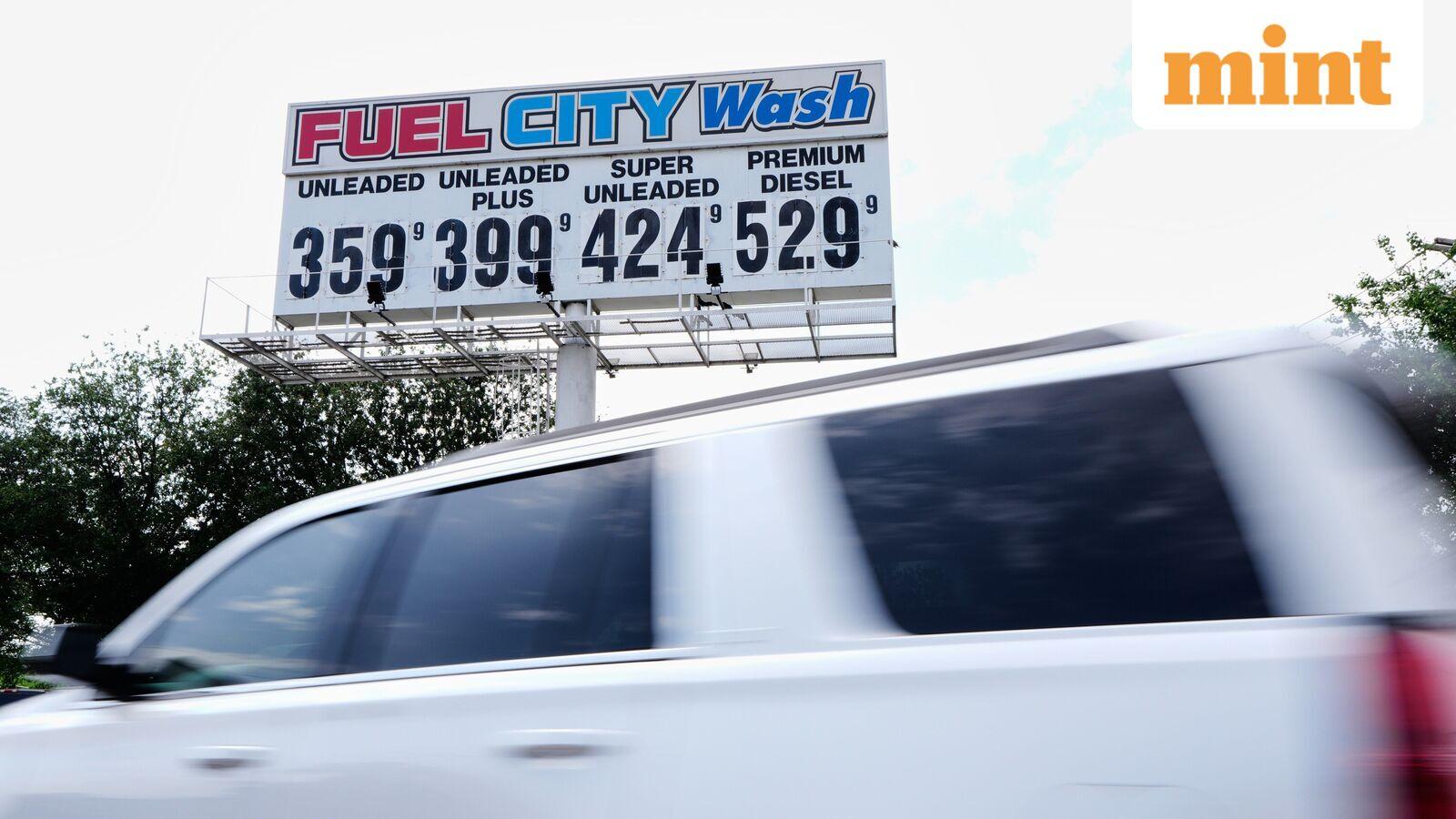
The Hawaii Tribune-Herald described Wright’s Sunday comments as a shift from his earlier “weeks” timeline, noting that before the war began the average national price for a gallon of regular gas was $2.98 and that on Sunday the average price was $4.05 per gallon, according to AAA.
Across the accounts, Wright framed the $3 threshold as “pretty tremendous” in inflation-adjusted terms, saying, “Under $3 a gallon is pretty tremendous in an inflation-adjusted terms.”
He also said, “We’ll get back there for sure,” while maintaining that “prices have likely peaked” and “they’ll start going down.”
Peak, then easing
Wright’s comments tied the near-term outlook to whether the Iran conflict is resolved, with multiple outlets quoting him on both the timing and the mechanism. Axios reported that Wright said, “But prices have likely peaked, and they'll start going down, certainly with a resolution of this conflict, you'll see prices go down,” and it added that under $3 is “pretty tremendous” in inflation-adjusted terms. The Honolulu Star-Advertiser likewise quoted Wright saying, “But prices have likely peaked, and they’ll start going down,” and it connected the drop to “Certainly with the resolution of this conflict, you’ll see prices go down.”
The AJC account similarly warned that drivers “probably shouldn’t expect fuel costs to dip back below $3 a gallon anytime soon,” while also saying prices may not climb higher. In the Axios version, the “State of the Union” exchange included a specific reference to price levels: it said prices reached their highest point so far this year at $4.16 per gallon earlier this month and now are at $4.05, per AAA data. The Hawaii Tribune-Herald provided the same AAA comparison in a different framing, stating that “Before the war began, the average national price for a gallon of regular gas was $2.98” and that “On Sunday, the average price was $4.05 per gallon.”

Administration disagreement
The sources also depict a dispute inside the administration over how quickly gas prices should fall, with Wright’s Sunday remarks contrasted against other officials’ expectations and against President Donald Trump’s own statements. The Honolulu Star-Advertiser reported that “Trump administration officials have offered differing views on how gas prices may shift,” and it said Treasury Secretary Scott Bessent “last week predicted gas prices would fall to the $3 per gallon range this summer,” while Wright “on Sunday laid out a lengthier likely timeline to reach that price.” It further stated that Trump “himself has said that gas prices may remain elevated until November,” and it added that “All of them have predicted gas prices will eventually get cheaper once the Iran war ends.”
The Hawaii Tribune-Herald described Wright’s Sunday comments as undercutting Trump’s earlier claim that high fuel prices would be “short-term,” noting that Wright “acknowledged Sunday that they could remain elevated for months.” It also said Trump “continued to call the spike at the pump ‘a short-term increase’ until early April,” before later “undercut his own claims” and said the prices “should be around the same” in November and might be “a little bit higher.” The Independent framed the political clash more directly, saying Trump “publicly rebuked his Energy Secretary, Chris Wright, over predictions regarding the duration of high gas prices.”
Iran conflict as driver
Multiple outlets connect the gas-price trajectory to the Iran conflict and to disruptions in oil shipping, while also quoting or describing Trump’s and U.S. officials’ actions.
The Honolulu Star-Advertiser said gas prices “have risen during the U.S. and Israeli war on Iran and Iranian attacks on nearby countries,” and it described the resulting “political headwinds for President Donald Trump ahead of the November midterm elections.”

It also said the war’s impact on oil delivery has led to “airlines warning of a potential jet fuel shortage,” and it quoted U.S. Transportation Secretary Sean Duffy on Sunday saying, “So yes, a small disruption, hopefully for a short period of time, but in the long run it becomes cheaper for Americans to travel because of decreased jet fuel prices.”
The same Honolulu Star-Advertiser reported that “The U.S. and Iran on Thursday agreed to a 10-day ceasefire,” while Trump on Sunday accused Iran of violating it with attacks on ships in the Strait of Hormuz “this weekend.”
It added that “U.S. officials will arrive in Pakistan for further negotiations on Monday,” and it quoted Trump’s social media threat: “the United States is going to knock out every single Power Plant, and every single Bridge, in Iran.”
The Hawaii Tribune-Herald similarly described that Iran has responded by disrupting shipping traffic through the Strait of Hormuz, pushing up global oil prices and creating “sticker shock for U.S. consumers at the gas pump.”
Political and consumer stakes
The sources portray the gas-price outlook as a political and economic pressure point heading toward the November midterm elections, with Democrats and Republicans both drawing attention to pump costs. The Honolulu Star-Advertiser said the rising prices created “political headheads for President Donald Trump ahead of the November midterm elections,” and it noted that “Republican Party will defend slim majorities in the Senate and House of Representatives.” It also reported that Trump’s statements about the duration of the spike have been inconsistent, saying he “has said that gas prices may remain elevated until November,” and it described how the war’s impact on oil delivery has also affected travel costs through jet fuel concerns.
“It's among multiple polls showing concern about pump prices.”
The Hawaii Tribune-Herald described Democrats’ response, saying Wright’s comments prompted “a round of attacks from Democrats,” who “have spent weeks assailing the administration over gas prices and have placed the issue at the center of their messaging going into the midterms.” It also said Republicans are worried about their chances of keeping their congressional majorities in the upcoming November midterm elections as the war drives up the costs of energy and goods. The Axios piece added that the comments came as “multiple polls showing concern about pump prices,” and it described the administration’s argument that prices have likely peaked and will start going down.