
Trump Administration Launches CAPE Portal To Process Supreme Court Struck-Down Tariff Refunds
Key Takeaways
- CBP launches CAPE portal to refund tariffs ruled illegal by Supreme Court.
- Refunds total about $166 billion for importers under IEEPA.
- Consumers unlikely to see price reductions from tariff refunds.
Refund Portal Opens
The Trump administration began processing refunds for tariffs that the U.S. Supreme Court struck down in February, using a new Customs and Border Protection system called the Consolidated Administration and Processing of Entries (CAPE).
The BBC reported that the Court of International Trade in March ordered customs officials to refund the more than $160bn (£121bn) the government had collected, putting roughly 330,000 importers in a position to potentially win back some money.

The BBC said the portal went live on Monday and that, as of early April, more than 56,000 importers had completed the necessary steps to apply for refunds online when the portal opened, with their claims worth $127bn (£943m).
Fortune similarly described Monday’s rollout of the first phase of the electronic tariff refund system, saying CBP rolled out the first phase of CAPE allowing importers to apply for refunds on tariffs struck down by the Supreme Court.
NPR said businesses began applying to get their money back on Monday, describing “the U.S. tariff refund portal” as a queue that thousands of owners were rushing to access.
In the first phase, CBP said refunds are expected to be distributed 60 to 90 days after they are processed, and the BBC said successful applicants can expect refunds, as well as any applicable interest, to be paid in 60 to 90 days.
Who Gets Paid
Eligibility and payout mechanics are central to how the refunds are expected to flow through the economy, and multiple outlets emphasized that the system is designed for parties that paid the customs duties directly.
The BBC said the refunds relate to levies charged under the International Emergency Economic Powers Act (IEEPA) and quoted Judge Richard Eaton writing in March that, "All importers of record whose entries were subject to IEEPA duties are entitled to the benefit" from the high court's ruling.
The BBC also said the system will process refunds for importers as one lump sum, rather than making businesses apply item by item, and it quoted a Customs and Border Protection spokesperson saying Cape had been built to "efficiently process refunds".
Fortune reported that of more than 330,000 U.S. importers, about 56,497 have applied for refunds, according to recent filings from CBP, and it said claims from those importers total about $127 billion.
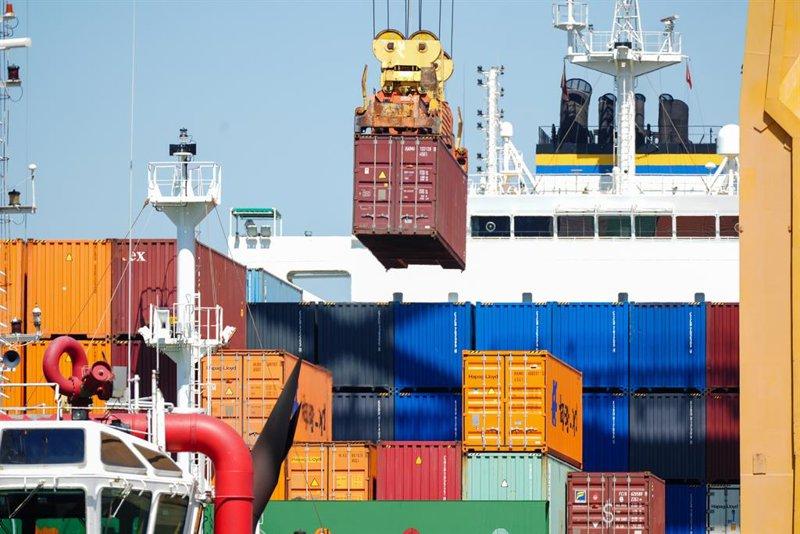
USA Today said court filings show those refunds could total roughly $166 billion, with more than 330,000 importers having paid tariffs on more than 53 million shipments, and it stressed that shoppers “aren’t likely to see direct refunds or lower prices across the board.”
MS NOW described CAPE as allowing entities that directly paid taxes on imports to submit documentation to Customs and Border Protection to request reimbursement, and it said only parties formally designated as importers of record are eligible to seek a refund.
Small Business Strain
Even as the portal opened, outlets described uneven readiness among businesses and a set of practical constraints tied to cash flow, legal complexity, and timing windows.
“Starting this Monday, companies that were subject to tariffs under the International Emergency Economic Powers Act (IEEPA) declared unconstitutional by the Supreme Court may begin seeking refunds”
Fortune said small businesses were hit particularly hard by the levies and cited a Federal Reserve survey published last month finding 42% of small firms called rising costs owing to tariffs a primary financial concern.
It also cited a March report from the Center for American Progress saying small businesses paid $306,000 in tariffs on average last year, and it argued that smaller businesses may find it more difficult to recoup costs than larger firms.
Fortune quoted Matthew Seligman, founder and principal of Grayhawk Law, warning, “Especially given the uncertain legal environment that we’re operating in right now, I am deeply worried that small and medium-sized importers are going to end up losing their refund rights because they haven’t had access to trade counsel to help back them through it.”
Dan Anthony, executive director of We Pay the Tariffs, told the BBC that the portal launch was “a mixed bag for small businesses,” and he added that businesses were far more concerned about potential new tariffs that he said could wipe-out any refunds received.
NPR described a small business owner, Sarah Wells, who logged on 10 minutes before the launch at 8 a.m. Eastern Time and said uploading records was “smooth and fast,” while Alfred Mai said it took him just about five minutes to submit claims for 17 shipments with tariff fees totally more than $162,000.
Portal Glitches and Delays
Technical problems and registration hurdles were also part of the early rollout, with at least one report describing the portal being overwhelmed and producing error messages.
The New York Post said the Trump administration launched an online portal that allows US businesses to file claims for tariff refunds, but it reported that the website was overwhelmed by the sheer number of applications, citing sources.
It described Echelon, a Chattanooga, Tenn.-based company that makes exercise bikes and other equipment in Asia, as trying unsuccessfully to log onto the new portal multiple times Monday, with its chief executive Lou Lentine telling The Post that it encountered a message stating: “Cape Processing is currently experiencing high volumes. If you received an error, please try again in 30 minutes.”
The Post also quoted Sara Albrecht of the Liberty Justice Center saying, “The demand and the crash were both pretty unsurprising,” and it said the February Supreme Court ruling did not directly address refunds.
The Post reported that the Trump administration has signaled it plans to challenge the U.S. Court of International Trade’s decision that compelled it to pay back all of the levies, and it said it has until June 7 to file the appeal.
CBIZ, in a separate explainer, said Phase 1 of CAPE began on April 20 and that the automated process replaces a manual or entry-by-entry process, validates claims and issues refunds plus interest, but it cautioned that the CAPE functionality within the CBP ACE Portal is a new system that may be subject to technical issues potentially causing further delays.
Will Consumers Benefit?
Across the coverage, the central question was whether shoppers would see any of the money, and multiple outlets described a disconnect between who is eligible for refunds and who paid the higher prices.
“Refunds will be issued between 60 and 90 days after the application is accepted”
The BBC said a major issue with the process has been concerns raised by individual shoppers who faced higher prices as a result of Trump's tariffs yet have no means to claim compensation themselves, and it noted that one way consumers could be compensated would be by businesses disbursing any funds recouped from Customs and Border Protection to those affected.
USA Today said shoppers “aren’t likely to see direct refunds or lower prices across the board,” and it quoted Jackson Wood saying, “Paying those tariffs blew a giant hole in their profit loss statements, and so recapturing those duty payments is really going to be about making their businesses whole,” adding, “It’s unlikely to bring much relief to the U.S. consumer any time soon.”
NPR quoted Joe Kimray, owner of B & W Hardware in North Carolina, saying, “I plan to have conversations with a number of manufacturers and hope that they will do the right thing and share some of the tariff refund money with us,” and he added, “I don't expect to get a direct refund check from anyone, but it could be even as simple as offering discounts on the wholesale cost of future product purchases.”
The Seattle Times quoted Brian Kelly asking whether a steakhouse would lower prices if suppliers were refunding tariffs to them but not refunding the steakhouse, saying, “Probably not,” and it framed the disconnect as sparked by consumer concerns that importers stand to make money off the refund process.
At the same time, Costco CEO Ron Vachris said the retailer plans to pass on any tariff refunds to customers “through lower prices and better values,” and the BBC reported that U.S. officials said consumers would not benefit directly, quoting Jamieson Greer and Scott Bessent.
More on Finance
Donald Trump Orders Halt To All Trade With NATO Ally Spain In Ankara
10 sources compared

easyJet Agrees in Principle to Castlelake’s £6.90-Per-Share Takeover Bid
14 sources compared

Spotify Removes 500,000 Streams From Malcolm Todd’s “Earrings” After Artificial Streaming Findings
20 sources compared

ESMA Warns Prediction Market Event Contracts May Be Banned From EU Retail Sales
12 sources compared