
England Government Hits March 2026 NHS Waiting-Time Target, With Wes Streeting Saying It’s On Track
Key Takeaways
- 65.3% of patients started hospital treatment within 18 weeks in March 2026.
- Wes Streeting described the results as on track and a boost.
- Long-term target remains 92% within 18 weeks by end of Parliament 2029.
NHS waiting-time milestone
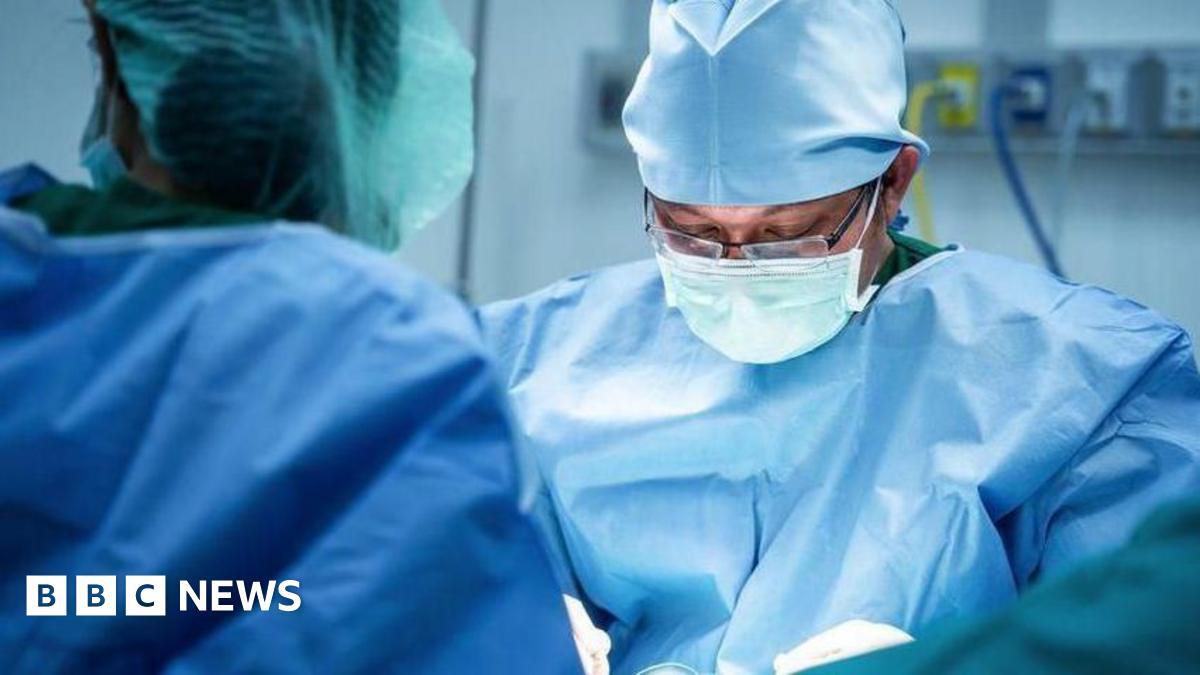
In England, the government hit an interim hospital waiting-time target for March 2026, with 65.3% of patients beginning hospital treatment within 18 weeks of referral, up from 62.6% in February.
“The government has hit an interim target for speeding up hospital treatment in England”
The BBC said the goal was for 65% of patients to be treated within 18 weeks by March 2026 and that it was “right on track” to deliver the fastest reduction in waiting times in the history of the NHS, quoting Health Secretary Wes Streeting.
The Independent reported that the overall waiting list for planned hospital treatment in England fell for the fifth month in a row and was at its lowest since summer 2022, while also noting that interim targets on cancer care and A&E had not quite been met.
The Independent put the scale of the backlog at an estimated 7.11 million treatments waiting at the end of March, relating to 6.02 million patients, down from 7.22 million treatments and 6.11 million patients at the end of February.
In A&E performance, the Independent said 76.9% of patients in England were seen within four hours in April, down from 77.1% in March, and that the March target of 78% for being admitted, discharged or transferred within four hours was missed.
Uneven progress and warnings
While the national interim target was met, the BBC reported that improvement was not uniform, saying that four in 10 hospital trusts did not meet their own individual targets and 10 actually saw performance get worse.
The BBC also said NHS England chief executive Sir Jim Mackey described the result as a “huge moment,” and he said it showed the NHS was making “real inroads” into what matters to patients and communities.

Tim Mitchell of the Royal College of Surgeons of England warned that staff efforts were being undermined by under-investment, saying “Too many teams are still working in ageing buildings with too few theatres and beds.”
Sarah Woolnough, chief executive of the King’s Fund, said the interim 18-week target was met after the government pumped in extra funding since January, but she cautioned that this spring funding would be hard to sustain going forward.
The Independent echoed that concern by saying the Government had funnelled £120 million in extra “sprint funding” into NHS trusts since January alone to focus them on the elective waits target, and Woolnough said the progress may be “progress bought at a high price.”
Dermatology delays and capacity
Beyond general waiting times, London dermatology patients faced delays as all NHS hospital trusts in London failed to meet the Government’s targets, with none of the 17 trusts meeting the 92% target set for dermatological care waiting times.
“London patients requiring dermatology care are facing long waiting times with all NHS hospital trusts in London failing to meet the Government’s targets for wait lists, data has revealed”
The South West Londoner reported that Whittington Health NHS Trust was the worst performing trust where less than half of patients were seen within the target period, and it said the capital has over 70,000 patients on the dermatology waiting list.
Dr Carolyn Charman, clinical vice president of the British Association of Dermatologists, said the findings reflect “sustained pressure on dermatology services in London and across the country, where demand is rising faster than capacity.”
Charman added that urgent referrals for suspected skin cancer are nationally prioritised and that “Most of these referrals do not result in a cancer diagnosis, but assessing them requires significant clinical capacity.”
The South West Londoner also quoted Dr Viktoria Eleftheriadou, consultant dermatologist and honorary associate professor at the University of Birmingham’s College of Medicine and Health, saying the situation reflects “rising demand and a shift in case mix,” with secondary care increasingly seeing more complex and severe cases that take longer to assess and treat.
More on Technology and Science

Cottonwood Fire Spreads in Utah, Blackening 92,000 Acres and Forcing Closures
12 sources compared

The New York Times Sues Microsoft And OpenAI Over ChatGPT Copyright Infringement
20 sources compared

OpenAI Limits GPT-5.6 Rollout After U.S. Government Request For Trusted Partners
15 sources compared

Paris Judicial Court Orders TotalEnergies To Revise Vigilance Plan Including Scope 3 Emissions
17 sources compared