Full story
Istanbul hosts talks
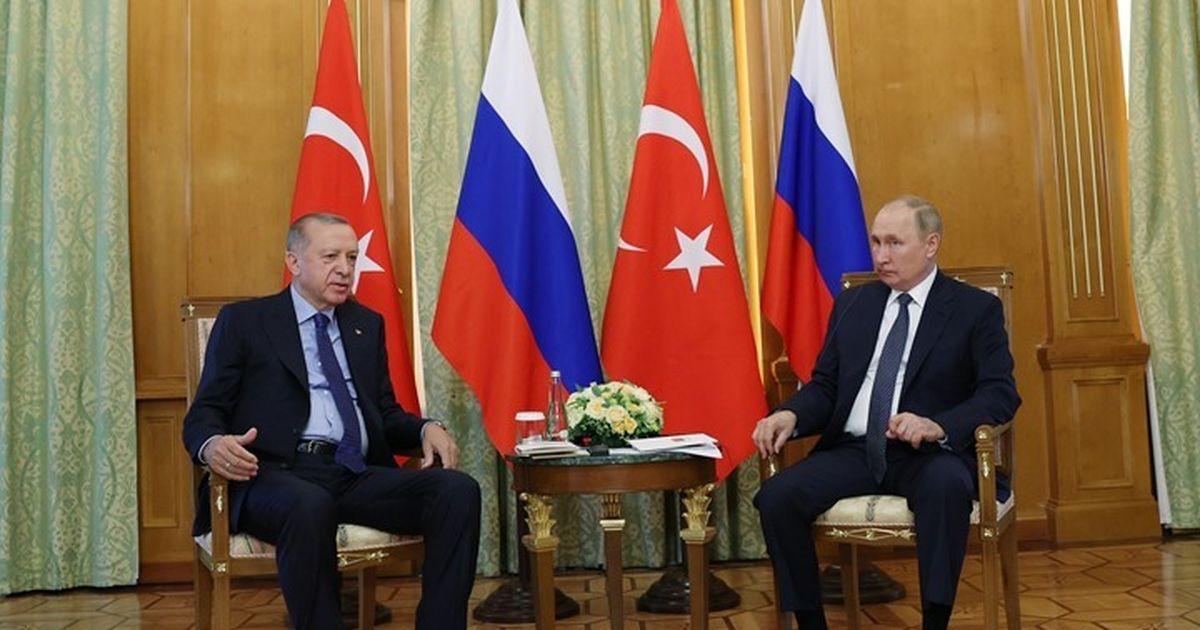
Istanbul, Turkey, was proposed by Russian President Vladimir Putin as the site for direct talks with Ukraine to be held this Thursday, May 15, in the presence of Ukrainian leader Volodymyr Zelensky and a Russian delegation whose composition remains unknown.
“Istanbul appears to be the best solution for holding discussions; all the ingredients are in place”
BFM quoted General Jérôme Pellistrandi saying, "Istanbul appears to be the best solution for holding discussions; all the ingredients are in place," as Turkey, a NATO member, had already hosted direct talks between the two sides in March 2022.
The talks are set against Turkey’s role in the Black Sea, where it controls two straits essential to the region’s trade and military flows, and where Istanbul was also the theater of the signing of an agreement, under UN mediation, allowing the export of Ukrainian grain via a secure corridor in the Black Sea.
BFM also said Turkish President Erdoğan is due to meet his Ukrainian counterpart in Ankara this Thursday, while Zineb Riboua of the Hudson Institute said, "preventing Russian domination in the Black Sea remains an absolute priority."
NATO, Russia, and S-400
El Mundo framed Turkey’s push for a larger NATO role as a balancing act, recalling that in 2019 Donald Trump warned Recep Tayyip Erdogan in a letter threatening to "destroy" the economy of the Eurasian country if he did not bow to his demands.
El Mundo said Turkey’s rapprochement with Russia and its NATO partnerships have been shaped by the Russian S-400 air defense systems, which NATO considers incompatible with the Alliance due to the grave risk of electronic espionage by Moscow, after Turkey spent $2.5 billion on the technology.
The same El Mundo report described a NATO response that included the deployment of a second Patriot battery at the southern Incirlik base, while also noting that Turkish media speculated about the possibility of deploying the S-400 systems in Somalia.
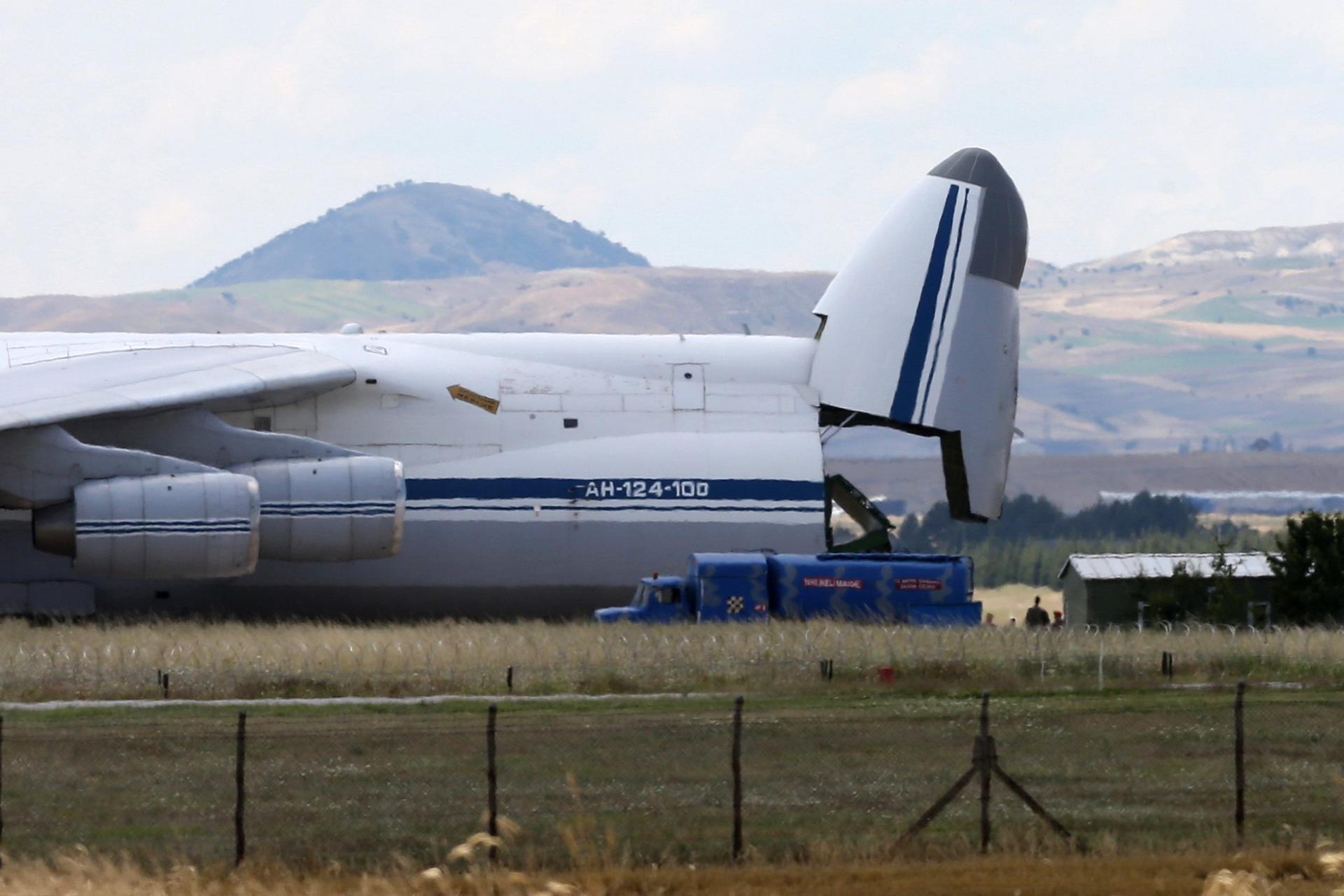
In a separate local framing, Valeurs actuelles said Ankara’s Ministry of Defense confirmed it has received the first tranche of Russia’s S-400 and that deliveries would continue in the coming days, adding that Washington threatened to impose sanctions and suspend US-Russian defense accords concerning the US F-35s.
Europe’s rearmament stakes
Al-Sharq lil-Akhbar said NATO leaders will meet next week in Ankara to ease escalating tensions with US President Donald Trump, with differences centered on Iran and Greenland and on a retreat of American commitments to the alliance.
“The summit next week will focus on turning the extra spending into operational capabilities”
In Berlin remarks carried by Al-Sharq lil-Akhbar, NATO Secretary General Mark Rutte said, "The summit next week will focus on turning the extra spending into operational capabilities and greatly expanding our defence industries," and he added that European allies and Canada shoulder greater responsibility for Europe’s traditional defence.
Al-Sharq lil-Akhbar also reported that NATO leaders agreed at The Hague summit last year to earmark 3.5% of GDP for basic defence items by 2035, up from the previous 2% target, and to invest an additional 1.5% of GDP in broader defence-related investments.
Al-Sharq lil-Akhbar further said the summit is expected to pledge continued funding for weapon supplies to Ukraine in its war against the Russian invasion, while NATO’s strategy is described in Al-Sharq lil-Akhbar as continuing support for Kyiv despite economic challenges facing member states.