Africa · 04 July, 2026 · 2 min read
Egypt Uncovers Fourth-Century Byzantine City at Dakhla Oasis and 18 Tombs Near Marina El-Alamein
Byzantine-era city at Ain el-Sabil in Dakhla Oasis uncovered with streets, mudbrick houses, basilica. Eighteen tombs discovered near Marina el-Alamein, including rock-cut and conventional tombs.
Who is credited for reporting the discoveries.
5 of 7 outlets skipped it: archaeologists recovered a 2.5-metre-long granite sarcophagus.
11outlets compared
Same story, two versions
tap a side to read it in full
Zamin.uz
“reported by Associated Press citing data from the country's Ministry of Tourism and Antiquities.”Read the original ↗
The Independent
“expected to provide invaluable insights into daily life in ancient Egypt”Read the original ↗
Independent and Zamin frame findings differently but do not omit key evidence.
Byzantine city in Dakhla
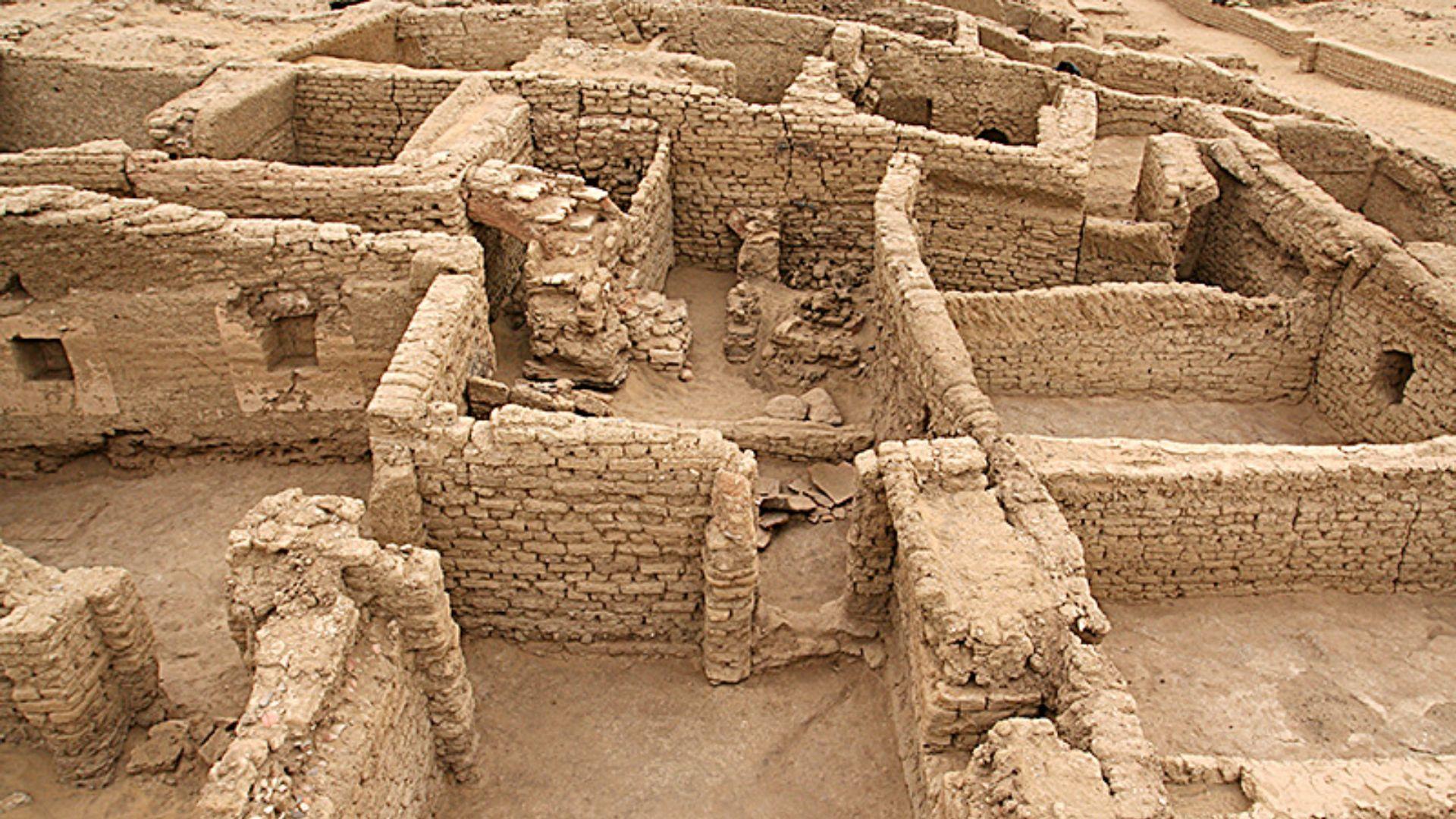
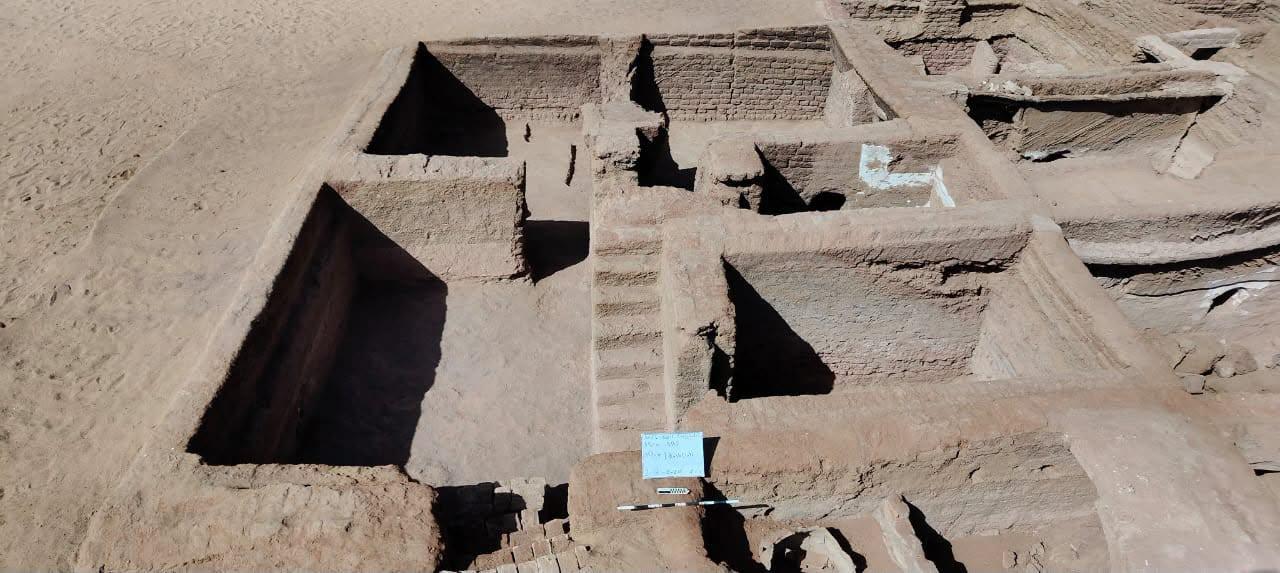
Egypt announced two major archaeological finds on Saturday, including a well-preserved Byzantine-era residential city in the western desert at the Dakhla Oasis and 18 ancient tombs near Alexandria at Marina el-Alamein. At the Dakhla Oasis, archaeologists uncovered a fourth-century Byzantine settlement with north-south thoroughfares intersected by east-west streets, forming open squares and public spaces, and a basilica church dating to the mid-fourth century.
“A well-preserved Byzantine-era residential city in the western desert is one of two major archaeological finds announced byEgypton Saturday.”
The site also included remains of two watchtowers and heavily fortified structures with thick defensive walls, while excavations turned up bread ovens, kitchens, and stone grinding tools used for food production. At Marina el-Alamein, archaeologists found 18 ancient tombs, including 11 rock-cut tombs and seven surface limestone-built tombs, and a 2.5-metre-long granite sarcophagus containing skeleton remains that was currently under study.
Officials and UNESCO status
Egypt’s Tourism and Antiquities Ministry said the Dakhla Oasis discovery is on UNESCO’s Tentative List, a step away from being added to the World Heritage List, and officials framed the finds as a boost for tourism and foreign currency. Hisham el-Leithy, secretary general of the supreme council of antiquities, said the quarters included north-south thoroughfares intersected by east-west streets, forming open squares and public spaces.
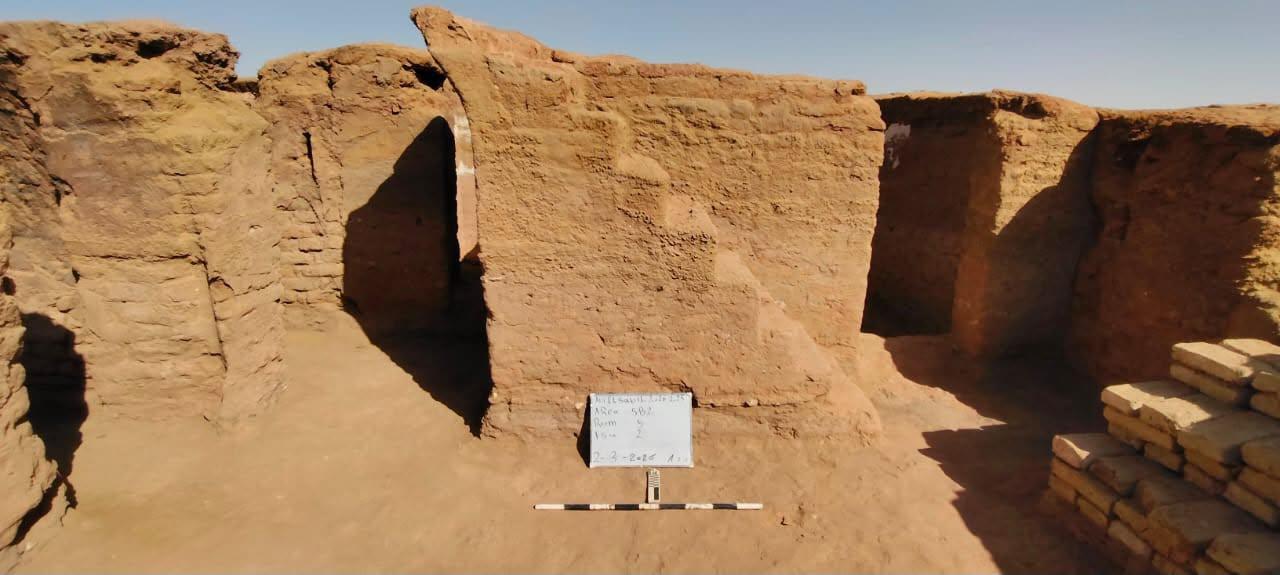
Mahmoud Massoud, who chairs the archaeological mission, described a basilica church dating back to the mid-fourth century overlooking the main streets, alongside remains of two watchtowers designed to safeguard the outskirts. The same ministry statement said the Marina el-Alamein site, around 100 kilometers (62 miles) west of Alexandria, yielded 18 tombs and brought the total number of tombs found there to 48.
Coins, ostraca, and what’s next
Archaeologists at the Dakhla Oasis found well-preserved bronze coins bearing portraits of Byzantine emperors, Latin inscriptions, and Christian symbols, alongside gold coins dating to the reign of Roman emperor Constantius II, who ruled between 337 and 361. Diaa Zahran, head of the Islamic, Coptic and Jewish Antiquities department, said the team found a collection of about 200 pottery fragments known as octraca, with inscriptions detailing commercial transactions, correspondence, and other details of daily life.
“Official figures show a record 19 million tourists visited Egypt last year, a 21 per cent increase from 2024.”
At Marina el-Alamein, mission chief Eman Abdel-Khaliq said they found a 2.5-meter-long granite sarcophagus with skeleton remains currently being studied, and close to it the remains of a plaster sphinx statue. The discoveries were also tied to a broader push for cultural tourism recovery, with official figures cited that a record 19 million tourists visited Egypt last year, a 21% increase from 2024, and that the first four months of 2026 saw 6.1 million tourists compared with 5.7 million during the same period in 2025.