
Esmaeil Qaani Warns Israel’s Forces In Southern Lebanon Could Repeat 2000 Withdrawal
Key Takeaways
- Esmaeil Qaani warned Israel of another forced withdrawal from southern Lebanon.
- Israel maintains deployment in southern Lebanon and expands its exclusion zone.
- Ceasefire remains precarious; negotiations on exclusive Lebanese control pilot zones underway.
Southern Lebanon standoff
IRGC Quds Force Brigadier General Esmaeil Qaani warned Israeli forces operating in southern Lebanon that continued military action and occupation could lead to a repeat of Israel’s withdrawal from the area in 2000, telling them, “If you do not withdraw from southern Lebanon on your own feet, the epic of the year 2000 will be repeated once again.”
“New York Times reported, citing Israeli officials, that the Israeli military leadership issued new instructions restricting military operations in Lebanon to a defensive framework only, while Israeli media reported a decision to pull 'standby teams' from the north after the ceasefire with Lebanon”
Qaani said Israeli forces had suffered 100 casualties in less than four days of fighting, and he concluded his message with “The choice is yours.”
In parallel, Prime Minister Benjamin Netanyahu said on Monday that the IDF retains freedom of action to act against threats in Lebanon, adding, “I stand firm that we will remain in the security zone in southern Lebanon as long as necessary to protect the residents of the North.”
Haaretz reported that a UNIFIL source said no attacks were recorded on Sunday between Israel and Hezbollah, a first since March 2, while Israel and Lebanon were set to negotiate this week the “pilot zones” for exclusive Lebanese control requiring IDF withdrawal from some of these areas.
The same Haaretz report said Israel lifted all restrictions in the country’s north that had been in place since fighting with Hezbollah.
Restrictions, scrutiny, and disputes
Arab 48 said Washington pressured Israel to restrict its operations in Lebanon, quoting Channel 13 that U.S. Vice President J. D. Vance told Netanyahu Israel should reduce its military operations in Lebanon and that “every operation would be examined.”
The same report said a senior American official told Axios and Channel 12 that “an Israeli withdrawal from southern Lebanon is not a condition in the Iran deal,” while Channel 14 reported new Israeli instructions prohibiting preemptive or proactive shooting.
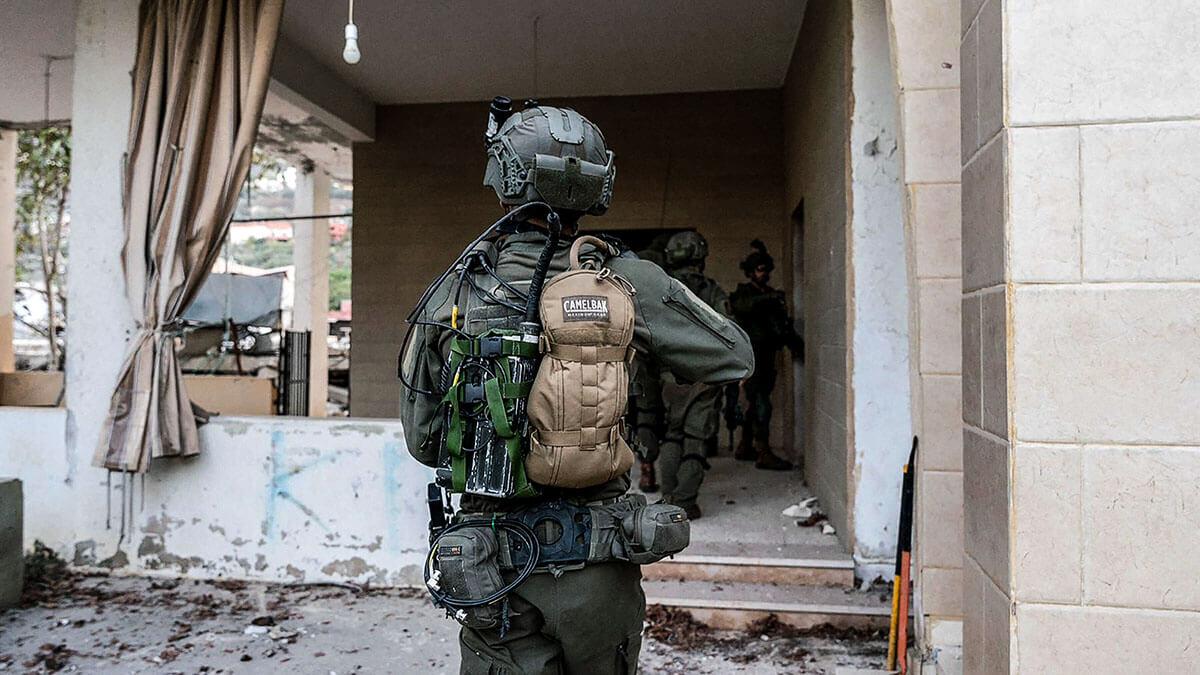
In the Israeli domestic debate, Yedioth Ahronoth’s military correspondent Yossi Yehoshua said the army is “bogged down in Lebanon” and accused Netanyahu of tying its hands, arguing that the options were to escalate U.S.-Iran negotiations, withdraw from southern Lebanon, or accept a settlement in which Israel remains in the five sites it controlled at the end of the Lebanon War in 2024.
Yehoshua said Israel tried to separate Lebanon from Iran and failed, while Iran tried and succeeded in separating Israel from the United States.
He also said Netanyahu and Defense Minister Yoav Galant ordered the Israeli army to stop firing, but the army maintained that this happened while its forces were pressuring Hezbollah members in the Kfar Tabnit area.
Ceasefire conditions and casualties
Al-Jazeera Net reported that Israeli instructions restricted military operations in Lebanon to a defensive framework only, saying forces are prohibited from initiating fire except in the face of a direct threat unless specially authorized by the Chief of the General Staff.
The same report said the New York Times described the ceasefire as fragile and said the tendency was to reduce field clashes and lower the likelihood of escalation, while Yedioth Ahronoth reported the Israeli army decided to discharge standby teams in northern towns starting next week.
Iran International said an Israeli analysis described three main conditions for any ceasefire agreement, including establishing a buffer zone in southern Lebanon up to the Litani River without Hezbollah’s presence and maintaining “full freedom of military operations—even in the north of the Litani.”
Iran International also said Israel’s approach enumerated conditions for weakening Hezbollah’s capabilities, including preventing the entry of weapons and continuing the systematic destruction of this group’s military infrastructure under U.S. and Israeli army supervision.
Al-Jazeera Net added that Israel’s aggression on Lebanon since March 2 left 4,175 dead and 12,164 injured, and displacing more than a million people, according to Lebanese data, while UNIFIL continued to monitor Israeli military activities inside its area of operations.
More on Lebanon

Israeli Troops Kill Two Men Near Nabatieh Al-Fawqa After Ceasefire Lull
11 sources compared
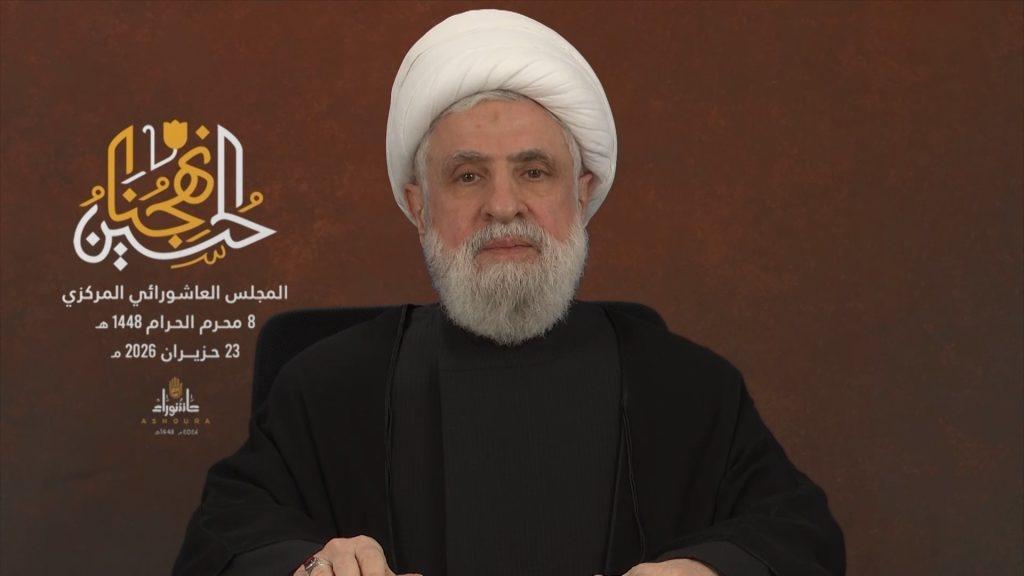
Hezbollah Chief Naim Qassem Demands Israel Fully Withdraw From All Lebanese Territory
13 sources compared
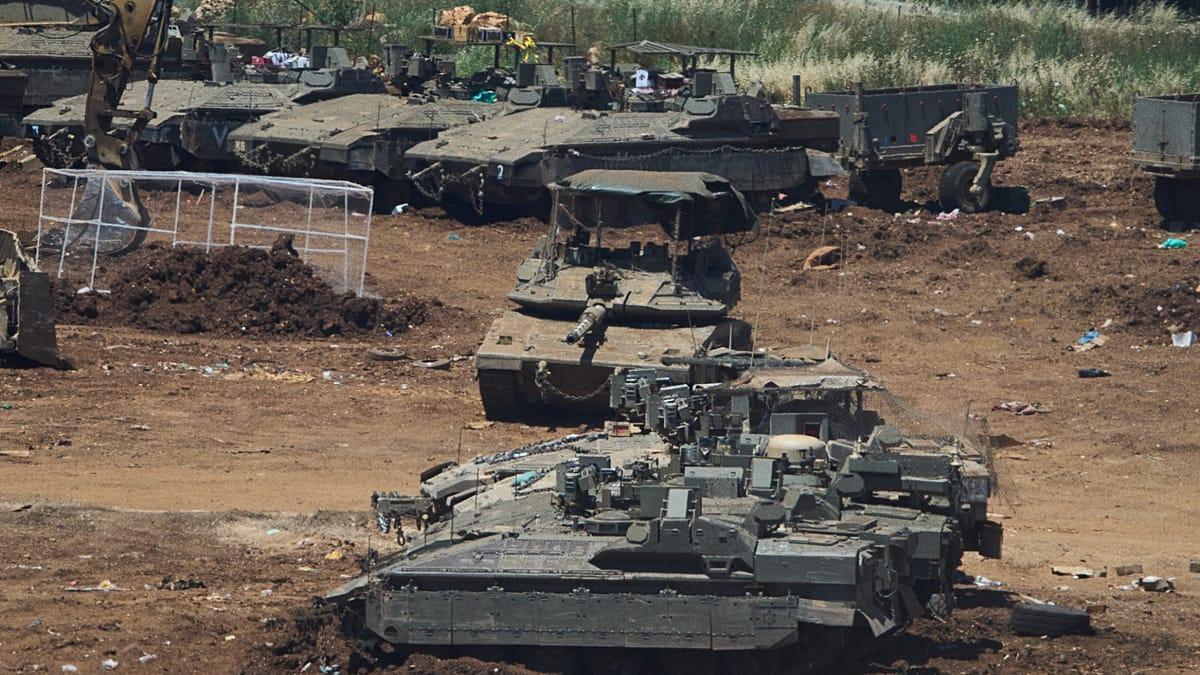
Israel’s Defense Minister Says Military Operations Will Continue After US-Mediated Lebanon Ceasefire
10 sources compared

Netanyahu Vows IDF Freedom Of Action In Southern Lebanon After US Ends Unrestricted Authorization
13 sources compared