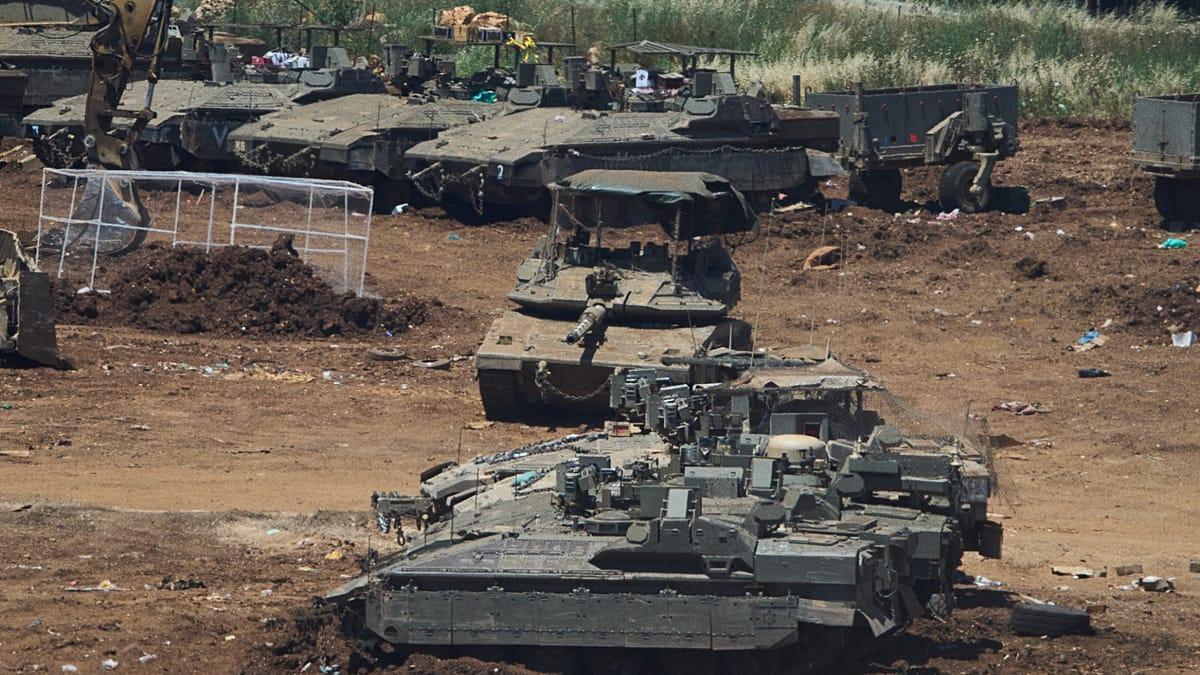
Israel’s Defense Minister Says Military Operations Will Continue After US-Mediated Lebanon Ceasefire
Key Takeaways
- A US-mediated ceasefire in Lebanon has been agreed, with terms under negotiation.
- Lebanese leadership and Hezbollah demand full Israeli withdrawal from Lebanon.
- US and French diplomacy aim to solidify the ceasefire and reconstruction.
Ceasefire Deal, Doubts
Israel and the Lebanese government have agreed to implement a new US-mediated ceasefire, but Israel’s defence minister has insisted the military will continue operations in Lebanon.
Lebanese President Joseph Aoun said on Thursday that the ceasefire would come into force within 24 hours of approval by all concerned parties, while Hezbollah leader Naim Qassem dismissed the deal as a “surrender and defeat”.
The Trump administration announcement came weeks after a previous agreement to cease hostilities was supposedly reached on April 16, and since then more than 600 people have been killed in Israeli strikes across Lebanon while Israel has expanded its military presence in the south, now occupying about one-fifth of the country.
According to the Trump administration, the ceasefire is contingent on a “complete cessation” of Hezbollah fire and the evacuation of its fighters from the area south of the Litani River, and it also calls for “pilot zones” where Lebanese Armed Forces would take exclusive control “to the exclusion of all non-state actors”.
The agreement’s reconvening is scheduled for the week of June 22, but it remains unclear if that stage will be reached as Hezbollah was not party to the talks and has already rejected the agreement.
Pilot Zones Rejected
Nabih Berri rejected the principle of “pilot zones,” saying they were too slow and too exposed to geographic bargaining, while he said he can commit, on behalf of his ally Hezbollah, to a zone south of the Litani free of weapons if Israel respects a full ceasefire in Lebanon.
Berri accepted the principle of a localized disarmament of Hezbollah but framed it as a strict exchange that includes Israeli withdrawal, deployment of the Lebanese army, return of the displaced, release of prisoners, and a reconstruction effort backed by Arab and international partners.

In the same remarks, Berri rejected asymmetric implementation, insisting Hezbollah should not withdraw or dismantle its means while Israel maintains positions, continues its strikes, or retains freedom of military action.
The Al-Manar TV Lebanon account of Sheikh Naim Qassem likewise demanded that after the ceasefire the Israeli enemy must completely withdraw from every inch of the Lebanese territories.
Berri’s position, as described, targets Israel, Washington, Baabda, and Hezbollah and argues the southern front can be stabilized only if each step unfolds in parallel, under American pressure and with a precise timetable.
Security Stakes and Timing
In northern Israel, residents fear that a memorandum reached between Washington and Tehran will lead to a withdrawal of the Israeli Defense Forces from South Lebanon that they deem premature in the face of the Hezbollah threat.
In Metulla, the northernmost town in Israel, David Azoulay said “For four months, Israel’s policy has been entirely guided by Donald Trump,” and he pointed to a memorandum of understanding signed between Washington and Tehran that provides for a ceasefire on several fronts, including Lebanon.
Kobi Sarmili, a poultry farmer in Margaliot, said, “There will not be a real ceasefire. The rocket fire will continue intermittently,” adding, “If the IDF withdraws, it will be hell. Donald Trump is the one who decides for us.”
Le Monde.fr recalled that the last Israeli soldiers withdrew from Beaufort Castle in the night of May 23 to 24, 2000 after eighteen years of occupation, and it described how soldiers destroyed bunkers with explosives to avoid offering Hezbollah a victory image.
Le Monde.fr also said that despite the ceasefire decreed on April 16, Israel intensified its operations in southern Lebanon to counter the threat of Hezbollah kamikaze drones, and it reported that the entire region south of the Zahrani River, about 40 kilometers from the border, was designated an “active combat zone”.
More on Lebanon

Israeli Troops Kill Two Men Near Nabatieh Al-Fawqa After Ceasefire Lull
11 sources compared
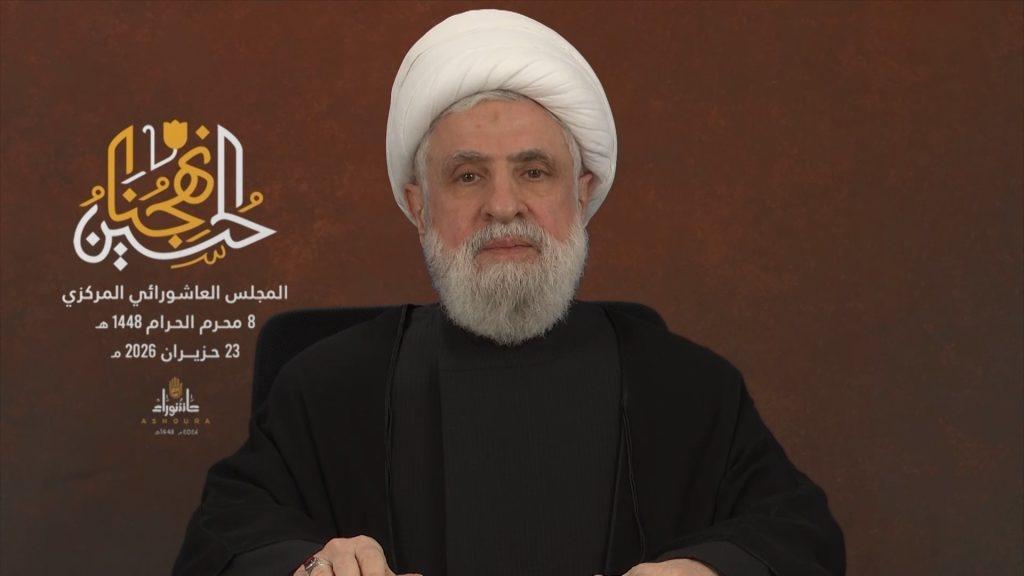
Hezbollah Chief Naim Qassem Demands Israel Fully Withdraw From All Lebanese Territory
13 sources compared

Netanyahu Vows IDF Freedom Of Action In Southern Lebanon After US Ends Unrestricted Authorization
13 sources compared
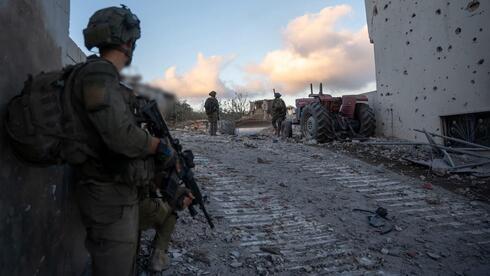
Israel Katz Says IDF Has No Restrictions in Lebanon After Ceasefire With Hezbollah
11 sources compared