Africa · updated 1h ago · 2 min read
Ethiopia Cuts Bitcoin Miners’ Power To 23% Of Contracted Levels Amid El Niño Drought
Ethiopia reduced electricity to Bitcoin miners to 23% of contracted levels. Reservoir inflows fell about 20% due to El Niño hydropower shortage.
11 outlets, one story, no spin found.
5 of 7 outlets skipped it: ammous forecasts mining electricity use and capex may have peaked in 2024-2025.
11outlets compared
Ethiopia throttles miner power
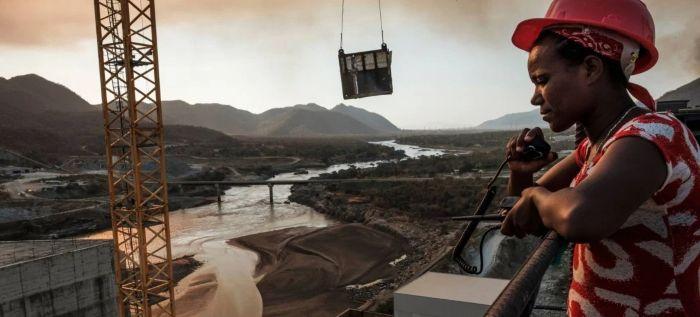
Ethiopia has reportedly reduced electricity delivered to Bitcoin miners to 23% of contracted levels after lower water inflows strained the country’s hydroelectric reservoirs.
“reduced electricity delivered to Bitcoin miners to 23% of contracted levels”
Bloomberg reported that El Niño intensified dry conditions in the east African country, reducing water inflows into its reservoirs by 20%, and Ethiopian Electric Power (EEP) CEO Ashebir Balcha said the utility cut power to prioritize households and manufacturers.
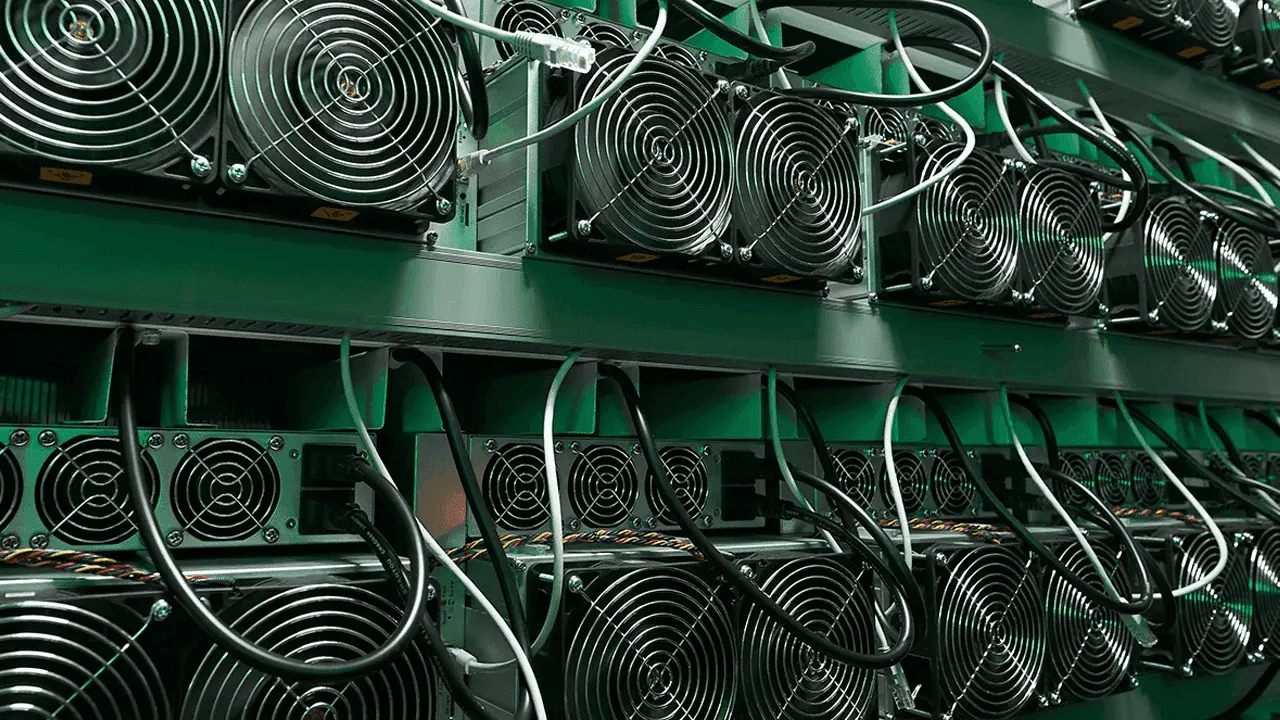
Balcha said EEP initially reduced deliveries to 75% of contracted levels, easing to 50% and then 23%, and the company would reassess conditions in October.
The cuts come as Bitcoin miners reportedly accounted for 35% of EEP’s revenue last fiscal year and consume almost one-third of Ethiopia’s electricity output, according to the report.
The same reporting said international miners including Phoenix Group expanded Ethiopian mining capacity to 132 megawatts in April 2025.
Staged cuts and reassessment
EEP’s CEO Ashebir Balcha described a staged reduction in an earnings presentation, saying, "When we noticed the dry season was approaching, we reduced the supply to 75%."
He added that "When there was no improvement we reduced to 50% and now we reached 23%."
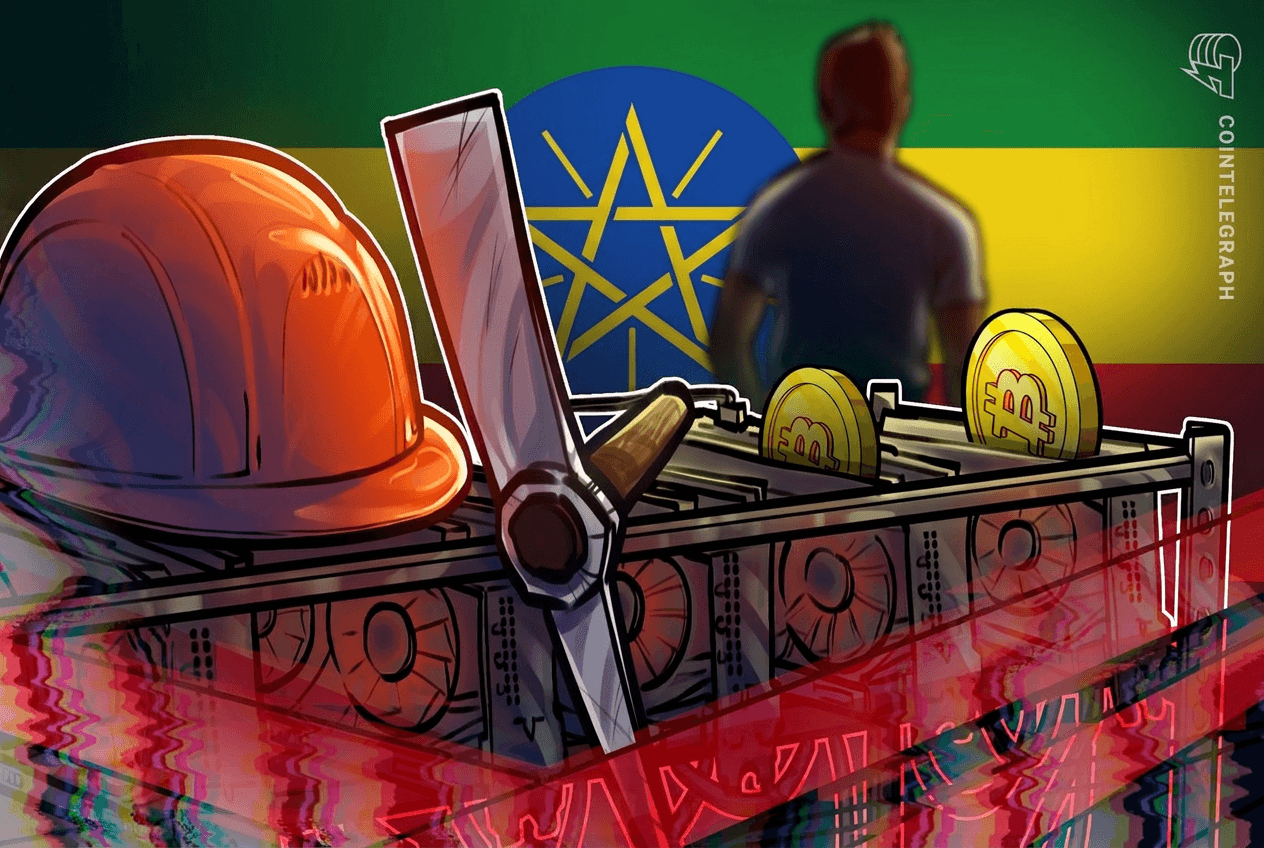
The Edge Malaysia report said EEP has power-purchase agreements with 39 bitcoin-mining companies, with 31 already operational, and under the arrangements EEP had committed to deliver at least 98% of the contracted power.
It also said EEP will reassess the situation by October and, depending on the outcome, may lower supply even further and limit exports to neighbouring nations.
The Edge Malaysia further reported that EEP trimmed its export-revenue forecast for the financial year by 40% to US$279 million on account of the drought.
Mining economics and AI
Economist and The Bitcoin Standard author Saifedean Ammous said in a Tuesday X post that global Bitcoin mining electricity consumption and capital expenditure may have peaked in 2024 to 2025.
“"Given this decline in mining rewards, it would be expected that bitcoin mining would slow down, or even contract,"”
Ammous said Bitcoin’s price would need to rise more than 18.92% a year just to keep the dollar value of newly mined coins growing, and he warned, "Given this decline in mining rewards, it would be expected that bitcoin mining would slow down, or even contract."
He also cited competition from artificial intelligence data centers, which he said gives miners an alternative way to monetize their electricity connections and infrastructure.
Citing VanEck data, Miner Weekly estimated in June that public miners could require around $50 billion to develop their planned AI infrastructure as weaker mining economics encourage companies to redirect capacity.
In the same reporting, Ammous said his conclusion was a testable hypothesis and acknowledged that substantially higher transaction fees or a sustained recovery above Bitcoin mining’s previous electricity-consumption peak could invalidate it.