Full story
EU sanctions, Greece exemption
EU ambassadors agreed on a 21st sanctions package against Russia on July 23, after negotiations that threatened to put the package at risk, with Greece securing an exemption to continue shipping Russian LNG to non-EU clients for the foreseeable future.
“Greece’s relations with Ukraine have hit a new hurdle just weeks after clearing the last one, in a sign of how Europeans are trying to balance helping Ukraine with protecting their own economies”
The deal also freezes the bloc’s price cap on Russian crude oil for 12 months at $44 per barrel, removing uncertainty about an adjustment that was expected to jump from $44 to $58 per barrel.

The agreement adds more vessels to Russia’s shadow fleet blacklist, with over 600 of these decrepit vessels denied access to EU ports and services, and it targets Russian banks, crypto and oil-trading platforms, various metals, and over 250 individuals and companies accused of supporting the invasion of Ukraine.
Ursula von der Leyen, president of the European Commission, said on Thursday morning, "Freezing the oil price cap adjustment for a year, so that the Russian war machine does not benefit from market shocks."
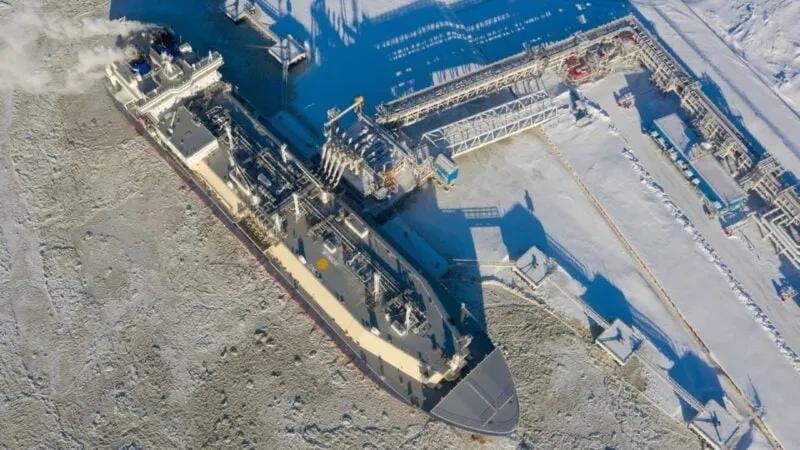
The package’s LNG carveout is tied to contracts concluded before the start of the invasion in February 2022, and the provision will be reviewed annually, leaving Greece able to press for an extension.
Diplomats and sanctions campaigners
POLITICO reported that the final sticking point—a proposed ban on shipping Russian gas outside the EU—was resolved through a limited exemption for contracts signed before Russia’s full-scale invasion of Ukraine, while prohibiting EU operators from entering into new ones.
Two EU diplomats speaking anonymously told POLITICO that the bloc also agreed to freeze its price cap on Russian crude oil for 12 months, with the cap currently standing at $44.10 a barrel.

POLITICO said Greece had initially resisted the proposed ban on shipping Russian gas to customers outside the bloc, arguing it went beyond what EU leaders had previously agreed and would be ineffective because vessels could simply re-register abroad.
Alexander Kirk, a sanctions campaigner at NGO Urgewald, said, "It is difficult to see how this will significantly disrupt Dynagas’s current Yamal operations or the revenues they help generate for Russia."
The Kyiv Independent said the agreement was welcomed by Ukraine’s sanctions chief Vladyslav Vlasiuk, who called the negotiations "challenging" while saying the EU found agreement "while maintaining EU unity as we have in the previous 20 packages."
What the package targets next
The sanctions package is described as particularly strong on financial sanctions, and the Kyiv Independent said work on the 22nd package has already begun after the 21st was agreed by EU ambassadors on July 23.
“After a weeks-long arm-wrestle, EU governments finally gave the political green light this morning to the last round of sanctions against Moscow and kept alive for a year the cap on the price of Russian crude, which was due to expire today”
The deal retains almost all of the roughly 250 entities proposed to be added to the sanctions list, and it includes the addition of "32 Russian banks" to the sanctions listings and restrictions for vessels assisting Russia’s shadow fleet.
Euronews said the package blacklists more vessels from the shadow fleet and also targets Russian banks, crypto and oil-trading platforms, various metals found on the battlefield, and over 250 individuals and companies accused of supporting the invasion of Ukraine.
António Costa, European Council President, wrote on X that the package "targets sectors with the highest impact: energy, financial services, cryptocurrencies, and trade," as the EU prepares for formal approval by member states at the next Foreign Affairs Council.
The Kyiv Independent said the agreed package keeps Russian oil priced at $44 a barrel for the next year and prevents it from ticking up to $58, while trade restrictions on Russian fish were removed entirely and an effective ban on Russian soldiers was deferred with wording that "commits" them to bring forward such measures in the future.