Full story
NATO flank warning
Lithuania’s president Gitanas Nausėda said intelligence assessments suggest Russia is planning potential attacks on critical infrastructure in the Baltic states or Poland, with authorities monitoring risks that could disrupt energy and transport systems.
“Baltics and Poland warn Russia could launch limited military or hybrid provocation against NATO VILNIUS, Lithuania (AP) — Lithuania’s president said Wednesday that intelligence assessments suggest that Russia is planning potential attacks on critical infrastructure in the Baltic states or Poland”
Nausėda told Lithuania’s BNS news agency that “it concerns limited kinetic operations likely targeting critical infrastructure,” while he said the intelligence did not identify a specific location or timing for the potential attacks.
Latvian President Edgars Rinkēvičs warned that, even without a total Ukrainian victory, Russia may “indirectly test Article 5 and response mechanisms at the Alliance and European Union levels,” referring to NATO’s common defense guarantee.
The AP report said the three Baltic states—Lithuania, Latvia and Estonia—and Poland have strengthened security around key transport and energy infrastructure in recent months in response to the Russian threat intensified since Moscow’s full-scale invasion of Ukraine began on Feb. 24, 2022.
In Moscow, Kremlin spokesman Dmitry Peskov dismissed the Lithuanian intelligence warning, calling it “a fresh batch of bugaboos intended to continue the brainwashing and prepare the population for further militarization.”
Reactions and counterclaims
The AP report said Poland intercepted Russian aircraft over the Baltic Sea on Tuesday and Wednesday, which the Polish government said were conducting surveillance of Poland’s air defense systems while remaining outside Polish territorial waters.
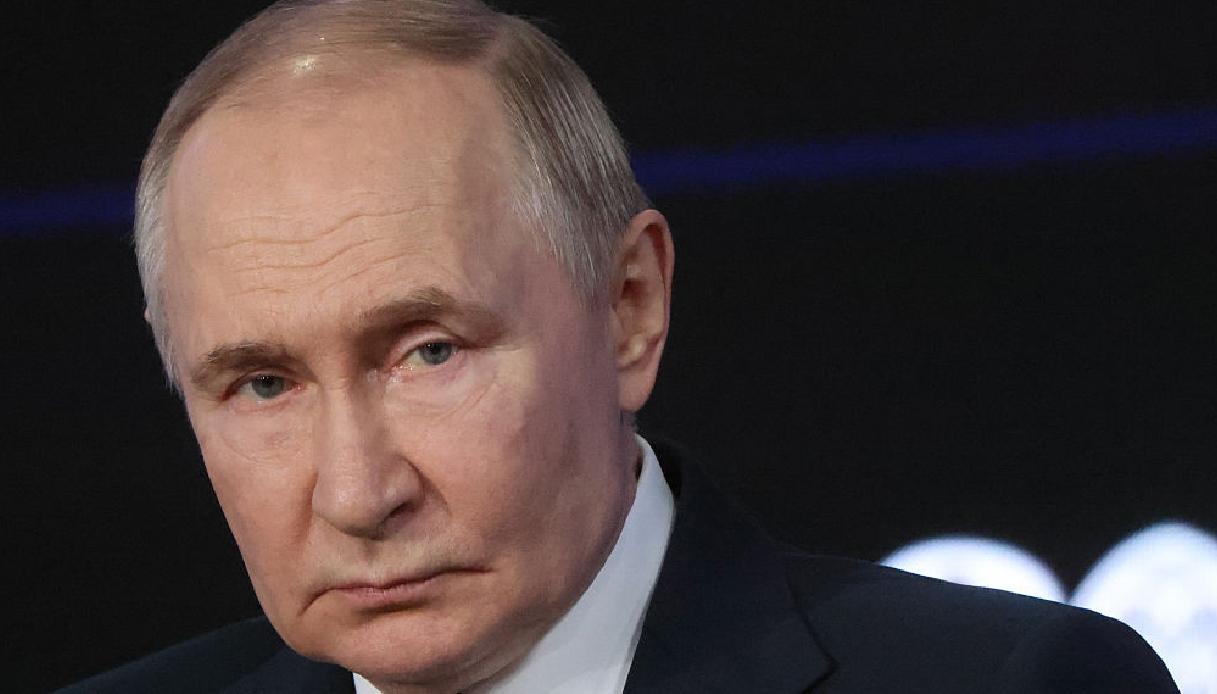
Polish Foreign Minister Radosław Sikorski delivered a message to Russian President Vladimir Putin, saying, “We know what you are planning. Don’t do it.”
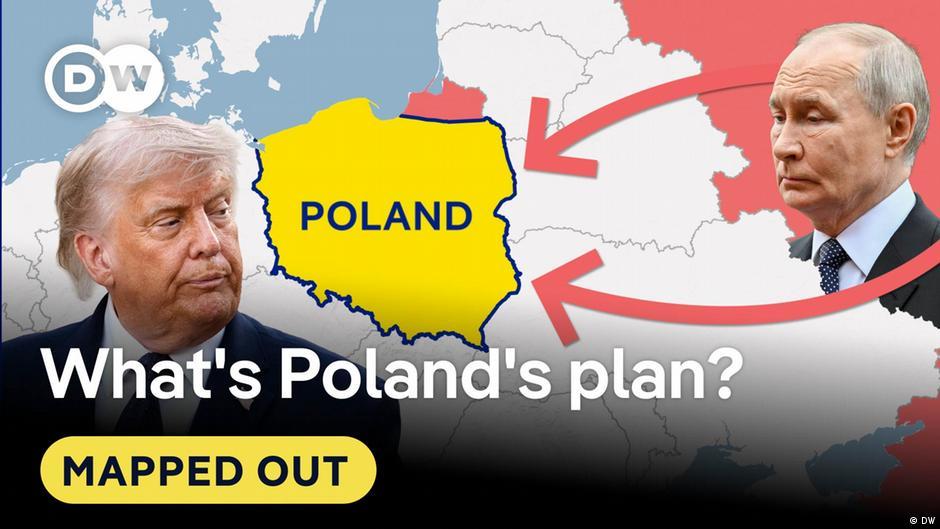
Lithuania’s chief of defense Gen. Raimundas Vaikšnoras confirmed the military deployed additional forces to help protect strategic infrastructure in response to concerns over possible Russian provocations.
Rinkēvičs told reporters that “We must be extremely prepared for the stage of the war in Ukraine where Russia no longer achieves victories and is unable to advance on the battlefield,” as he warned Russia could increase provocations against the Baltic region.
The AP report said Russia dismissed the warnings as an excuse to justify NATO’s military buildup in the Baltics, and Peskov said the claims were used “as a pretext to continue moving NATO military infrastructure in all its forms into the Baltic states.”
What’s at stake next
The AP report said the Baltic region is under additional strain from stray Ukrainian drones that have reached Baltic countries as Ukraine ramped up attacks on Baltic Sea ports used for Russian energy exports.
It also said the European Union reported on Monday that Russia’s FSB Center 16 had conducted cyberespionage and sabotage against defense industries and critical infrastructure across Europe, including a December attack against a Polish combined heat and power plant supplying heat to almost 500,000 customers.
A recent report from the International Institute of Strategic Studies think tank, cited by AP, said Russia likely used shadow ships to launch drones over Europe that repeatedly disrupted civilian aviation between 2024 and 2026.
In Vilnius, Rinkēvičs said “The next few months, or even the next 12 months, will be crucial for Baltic security,” linking the warning to Russia’s ability to test NATO’s resolve through sabotage and hybrid attacks.
AP also reported that Nausėda said authorities were monitoring the risk of attacks that could disrupt Lithuania’s connections with the European electricity grid, while Peskov argued the warning was meant to prepare the population for further militarization.