Russia02 July, 20263 min read
IISS Says Russia Used Shadow Fleet Ships for Coordinated Drone Campaign Over Europe
This article is an automated aggregation of coverage from news outlets. Our editorials offer in-depth analysis curated by the NewsCord team.
IISS: Russia used shadow fleet ships to launch drones across Europe. 144 suspected drone sightings across NATO states disrupted civilian aviation and tested air defenses.

Drone campaign across Europe
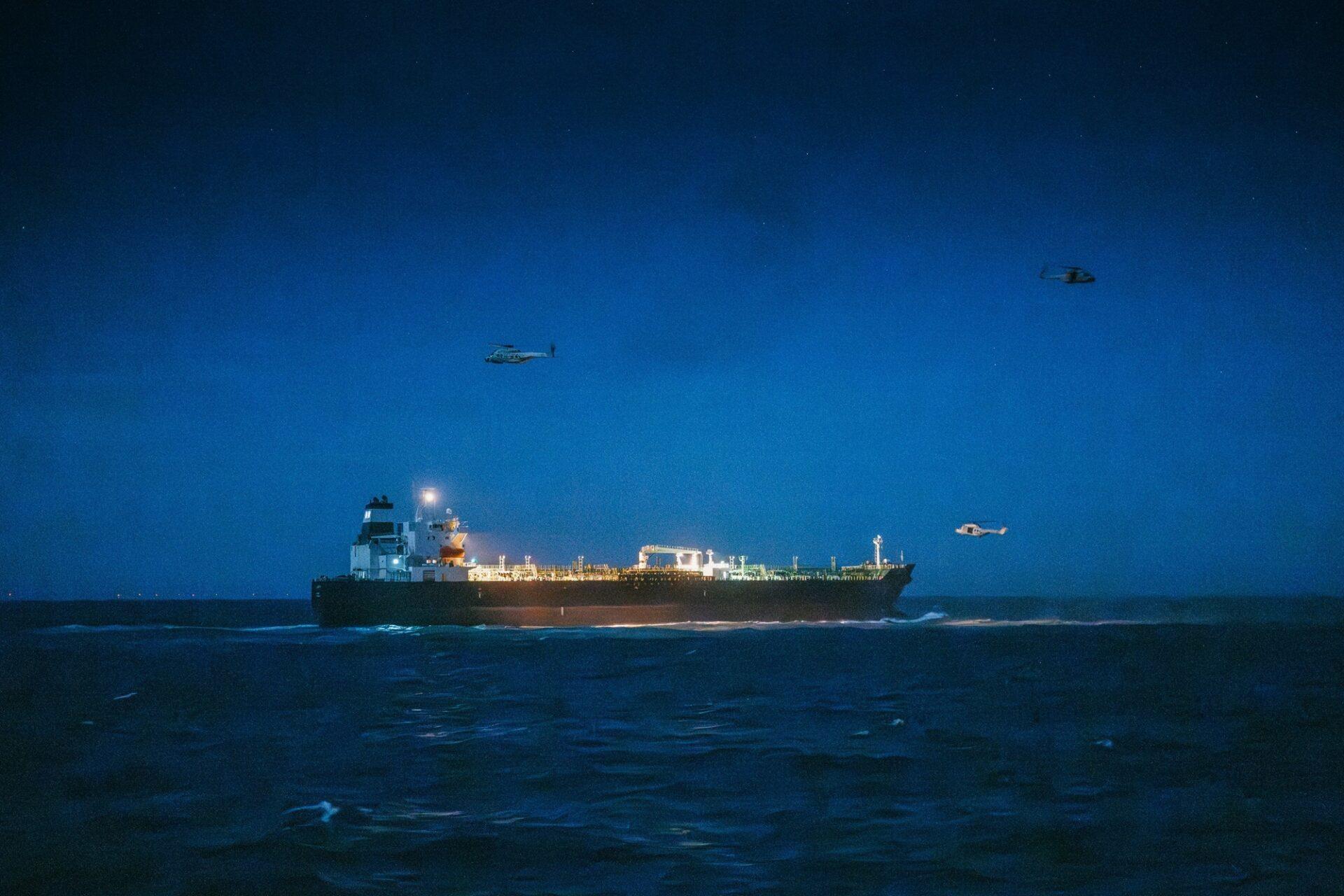
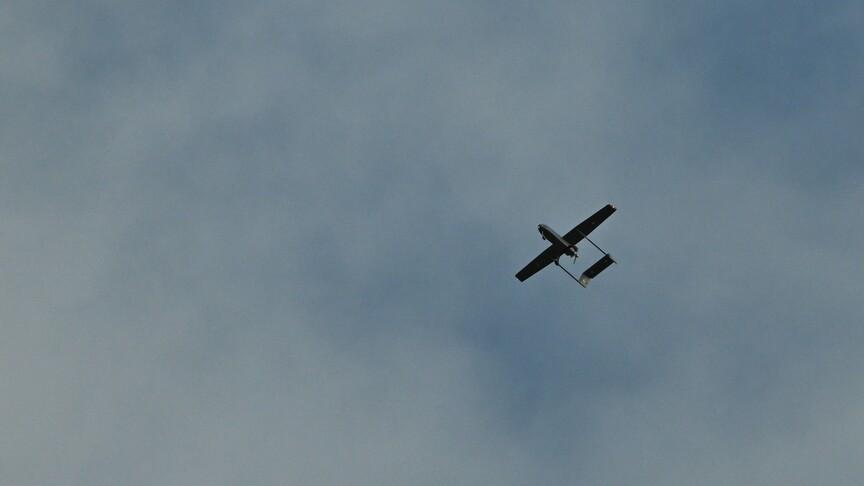
The International Institute for Strategic Studies (IISS) assessed that Russia was "highly likely" behind a coordinated drone campaign over Europe between August 2024 and February 2026, using Russian-linked vessels from the so-called shadow fleet as launch and recovery platforms. The IISS report compiled a dataset of 144 incidents across 13 European states, with researchers saying the pattern forced repeated closures of major hubs including Copenhagen, Brussels, Munich, Oslo, and Vilnius airports. The campaign, the IISS said, exposed weaknesses in Europe’s air defenses by penetrating airspace around nuclear facilities in the UK, France, Belgium and the Netherlands while also disrupting military operations.
The report also described the operation as "a series of tactical successes for the Kremlin and a strategic failure of allied air defense," framing it as surveillance and testing designed to stay below the threshold for a collective NATO response. The IISS added that it was not claiming every reported drone sighting was Russian-directed, arguing that the aggregate pattern cannot be explained by misidentification, hobbyist activity or opportunistic harassment alone.
Attribution disputes and quotes
Danish Prime Minister Mette Frederiksen described the incidents in Denmark as the “most serious attack on Danish critical infrastructure to date,” while the IISS said the Russian campaign was designed to fall below the threshold for triggering discussions for a collective NATO response.
NATO’s deputy supreme allied commander in Europe, Air Chief Marshal John Stringer, told AP that it is up to each alliance member to decide how to respond to such threats, and he did not blame Moscow.
The AP account said several senior European officials found it difficult to attribute the drone incursions to Russia directly, and Stringer suggested the activity fits a pattern of disruption Western officials have blamed on Russia since its invasion of Ukraine in 2022.
The IISS report shared with AP characterized the drone incursions as exposing that Europe’s air defenses are not fit to deal with the current threat, and it said creating a comprehensive picture is difficult because responsibility is split among various authorities.
Sweden’s military representative to NATO, Lt. Gen. Jonny Lindfors, told AP that it is “almost impossible” to attribute the drones to one nation or actor, while also saying it is a “tough decision” to shoot down a drone because it could cause civilian casualties.
EU and NATO stakes
An EU resolution adopted June 18 said drone incursions and airspace violations over EU territory are not isolated episodes but an integral part of a broader Russian intimidation strategy, and it stressed that Russian actions constitute a deliberate and systematic threat to the EU’s security, resilience, and sovereignty. The European Parliament resolution also called for urgent acceleration of priority military equipment delivery to Ukraine, emphasizing air defense systems, ammunition, drones, and missiles, while stating that cooperation with the Republic of Moldova together with Ukraine is essential for operational effectiveness, situational awareness, and information sharing. In parallel, the IISS report warned that Europe’s counter-drone architecture does not yet match the threat, citing uneven detection, fragmented legal authorities and attribution too slow to support deterrence.
The IISS said the European Drone Defence Initiative, referred to as the “Drone Wall,” will only engage drones once they enter European airspace, because no mandate exists over the vessels that launch them. The Dutch government’s annual defense strategy warning, ahead of NATO’s summit in Ankara on July 7 and 8, said Dutch intelligence services believe Russia is preparing for a long-term confrontation with Europe and that, in the worst case, a limited war against NATO members could be envisaged in the year following the end of Russia's war in Ukraine.