
EU And Palestinian Authority Launch Program To Protect Palestinians From Israeli Settler Violence In West Bank
Key Takeaways
- EU to launch program aiding Palestinians facing settler violence in West Bank, with PA.
- Provides support to victims of settler violence in the West Bank.
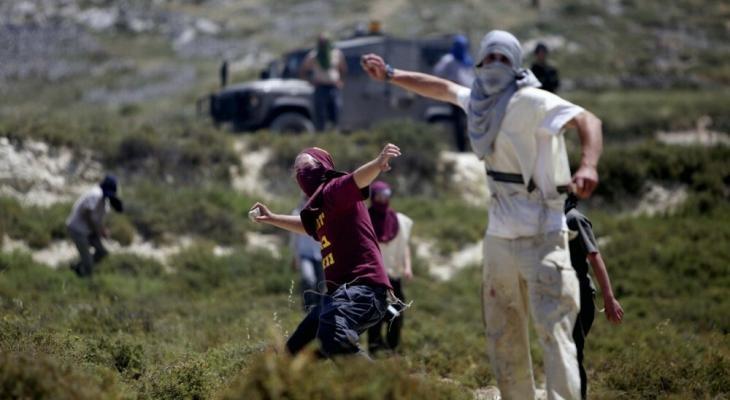
- West Bank settler violence has escalated, drawing international coverage.
EU program targets settler violence
The European Union is preparing a program to support Palestinians facing Israeli settler violence in the occupied West Bank, with the Palestinian Authority and the EU office in Jerusalem announcing the initiative on Monday.
“EU to launch program to aid Palestinians facing settler violence RAMALLAH, Palestinian Territories – The European Union will soon launch a program to support Palestinians facing Israeli settler violence in the occupied West Bank, the Palestinian Authority and the EU office in Jerusalem said Monday”
In a statement, Palestinian prime minister Mohammad Mustafa said, “In coordination with the government, the European Union will launch a program to support victims of settler terrorism.”
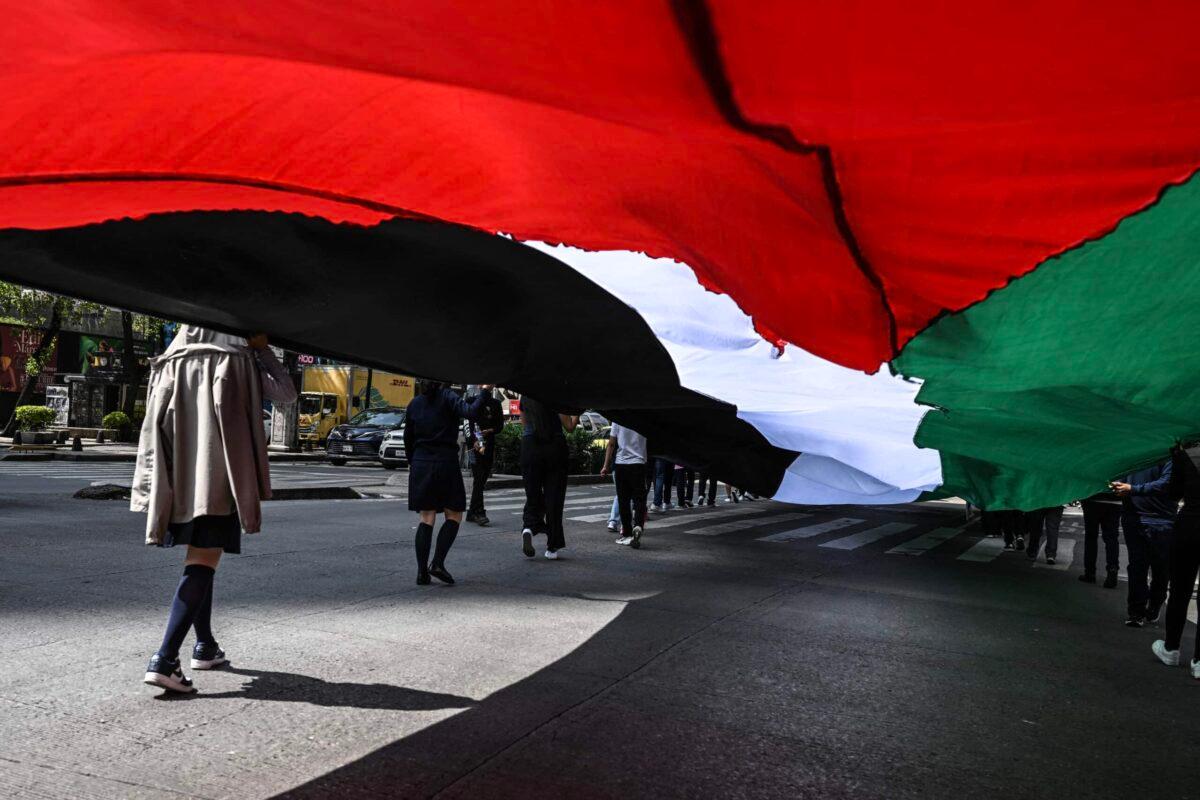
The EU office in the Palestinian Territories, speaking to AFP, said the project aims “of documenting attacks on Palestinians by violent Israeli settlers, and to support the communities that are victims of such attacks,” and a source at the office added it “will provide protective presence and protective equipment, such as fences to Palestinian communities facing attacks from settlers.”
The program is expected to be finalized within a few months, and its budget should be “around six million euros,” according to the source.
The Inquirer.net report places the announcement in “RAMALLAH, Palestinian Territories,” while the Times of Israel frames it as an EU and PA program to support Palestinians facing “Israeli extremist settler violence in the West Bank.”
The Times of Israel adds that settler attacks “have accelerated during the war with Iran that began on February 28 and entered a truce on April 8,” tying the West Bank violence to the broader regional conflict.
The same Times of Israel account says that during that time the left-wing Yesh Din human rights organization recorded “378 incidents of settler violence against Palestinians and their property in the West Bank,” including “Eight Palestinians were shot and killed, and 200 were injured.”
Escalation during Iran war
Multiple reports connect the surge in settler violence in the occupied West Bank to the timeline of the war with Iran, describing a period in which attacks intensified while international attention was focused elsewhere.
The Inquirer.net account says there has been a “spike in deadly attacks by Israeli settlers in the occupied West Bank since the start of the Iran war on February 28,” and it adds that “Excluding east Jerusalem, more than 500,000 Israelis live in the occupied West Bank in settlements that are illegal under international law.”
It also states that “Israeli has occupied the West Bank since 1967,” placing the current violence in a longer occupation framework.
The Times of Israel similarly says settler attacks “have accelerated during the war with Iran that began on February 28 and entered a truce on April 8,” and it reports that Yesh Din recorded “378 incidents” during that time.
NBC News describes a separate but overlapping escalation narrative around a specific killing, saying the boy’s death comes “amid a dramatic escalation in settler violence,” and it cites United Nations Office for the Coordination of Humanitarian Affairs data that “Israeli settlers and forces have killed at least 42 Palestinians so far this year.”
In the same NBC report, the attack in Al-Mughayyir is dated to “Tuesday, April 21,” and it is described as occurring “just after noon.”
The Guardian places the killing of Aws al-Naasan on “21 April” as well, and it describes the attack as part of “a wave of settler violence in the occupied West Bank” that has “targeted schools and students.”
Voices: helplessness, impunity, and ‘Jewish terrorism’
Accounts from West Bank residents and officials portray a mix of personal helplessness and institutional blame as violence continues.
“War in theMiddle East Advertisement Supported by Israel has failed to arrest a wave of violence against Palestinians, prompting military officials to urge the government to intervene”
In Qusra, Moatasem Odeh described the attack that killed his son Amir, saying, “We are helpless,” and adding, “and they know it.”
NBC News quotes the school principal Bassem Abu Assaf describing the shooting outside his school, saying, “This is supposed to be a safe place,” and warning, “School is a right for every child,” while also describing the shooting as “The shooting was crazy, just crazy, nonstop shooting.”
The same NBC report includes a statement from the Israeli military that “The IDF reservist has been suspended from reserve duty pending the conclusion of the investigation and his weapon has been confiscated.”
On the human-rights side, Yesh Din’s CEO Ziv Stahl is quoted in NBC News saying, “The root reason is that everyone is looking elsewhere,” and, “The world is distracted.”
In the Times of Israel, IDF Central Command chief Maj. Gen. Avi Bluth is described as having warned about the near-daily phenomenon, which he termed “Jewish terrorism.”
The UN News report, meanwhile, includes Stéphane Dujarric’s remarks about humanitarian operations in Gaza and reiterates in the West Bank context that “Israel, as the occupying power, bears the responsibility to protect the Palestinian civilian population,” and that “any conduct harming civilians should be assessed to determine whether there have been violations of international humanitarian law.”
Different outlets, different emphases
While the underlying events—attacks by Israeli settlers and forces across the occupied West Bank—are described across multiple reports, the outlets emphasize different elements, from specific school violence to broader patterns of displacement and impunity.
NBC News and The Guardian both focus on the killing of Aws al-Naasan outside the Mughayyir boys’ secondary school, but they describe the context and immediate aftermath with different detail: NBC says the attack took place “just after noon on Tuesday, April 21,” and that video shows a bearded man in an Israeli military uniform firing down the hill, while The Guardian says the Israeli reservist shot Aws “in the head just outside the western gate” and describes children and teachers “crouched in stairwells.”

The Guardian also adds that “classes in Mughayyir were suspended for a week,” while NBC News says “classes were cancelled for a week” and quotes Bassem Abu Assaf about the bullet holes still visible in the stone wall.
The Guardian situates the school attacks within a wider education crisis, stating that “Education is under attack across occupied Palestine” and that “The situation is most severe in Gaza,” where “more than 600,000 school-age children are approaching the end of a third year without formal in-person education.”
By contrast, the Times of Israel and Inquirer.net reports foreground policy and documentation, centering on the EU program to support victims and on the Yesh Din tally of “378 incidents” during the Iran war period.
The Streamlinefeed report, which is not aligned with the other outlets’ style, frames the escalation as “a secondary tragedy” and repeatedly asserts that violence surged “amid” distraction, while also naming “Amir Odeh” in Qusra and describing him as “twenty-eight-year-old.”
UN News provides a different kind of accounting, reporting that “from the start of this year through last Monday, about 680 attacks by settlers were recorded in more than 200 Palestinian communities,” and that this resulted in “the complete displacement of nine communities.”
Humanitarian and political stakes
The stakes described in the reporting extend from immediate safety for Palestinians to longer-term humanitarian capacity and political accountability.
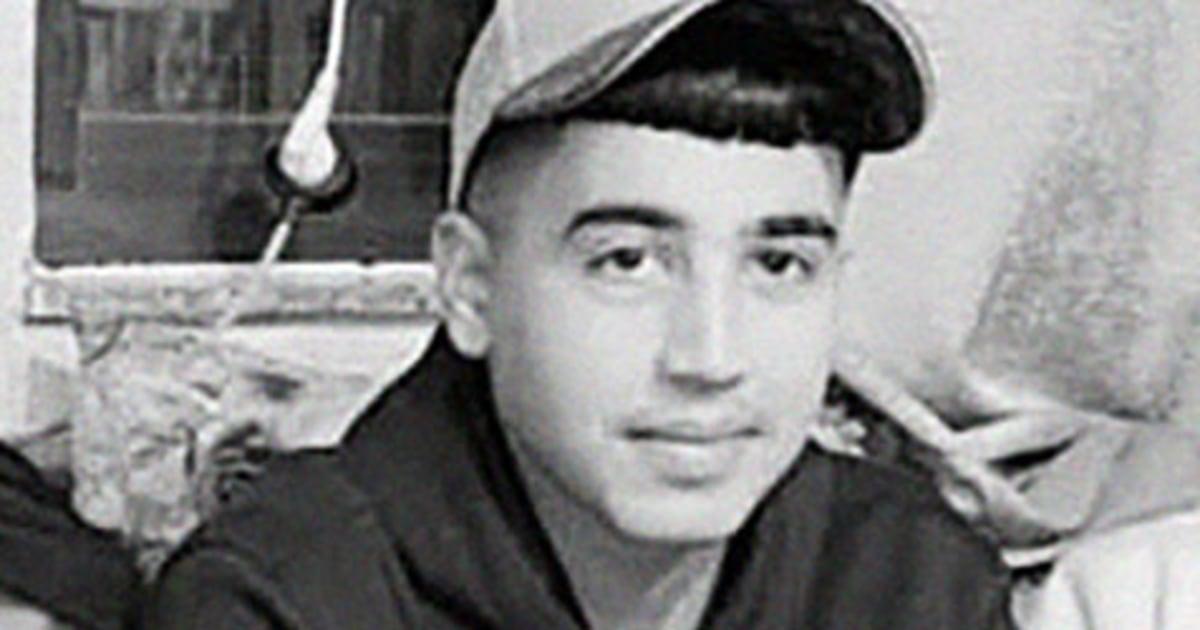
“The Israeli reservist shot 14-year-old Aws al-Naasan in the head just outside the western gate of the Mughayyir boys’ secondary school, where he was studying in ninth grade”
UN News says that in Gaza, the Earth of Humanity Organization provides medical services and announced it would “suspend its services until a security assessment of the situation is completed,” while also recording “the killing of 589 aid workers in Gaza since October 23, 2023.”

In the same UN report, Stéphane Dujarric said that during the past week, partners brought into Gaza “about 34,000 mattresses and 19,500 blankets” and delivered “sealed covers and plastic rolls and bedding supplies and clothing for more than 3,200 families between 22 April and last Saturday.”
UN News also reports that protection sector partners provided services to “more than 20,000 people across Gaza,” with “more than 10,000 of them receiving mental health services or psychosocial support,” and it lists other services including “case management, legal assistance, and support for persons with disabilities.”
In the West Bank, UN News says settler attacks continue “causing injuries, property damage, and displacement,” and it adds that “from the start of this year through last Monday, about 680 attacks by settlers were recorded in more than 200 Palestinian communities.”
It further states that those attacks resulted in “the complete displacement of nine communities,” and it reiterates that “Israel, as the occupying power, bears the responsibility to protect the Palestinian civilian population.”
The Al Jazeera-linked report warns that leaked Israeli material describes “settler terrorism” as something that “could lead to a violent Palestinian uprising,” and it says Blot warned that stopping it “requires a miracle.”
More on Gaza Genocide

Israel Detains Jerusalem Grand Mufti Sheikh Muhammad Hussein, Bans Him From Al-Aqsa for One Week
15 sources compared
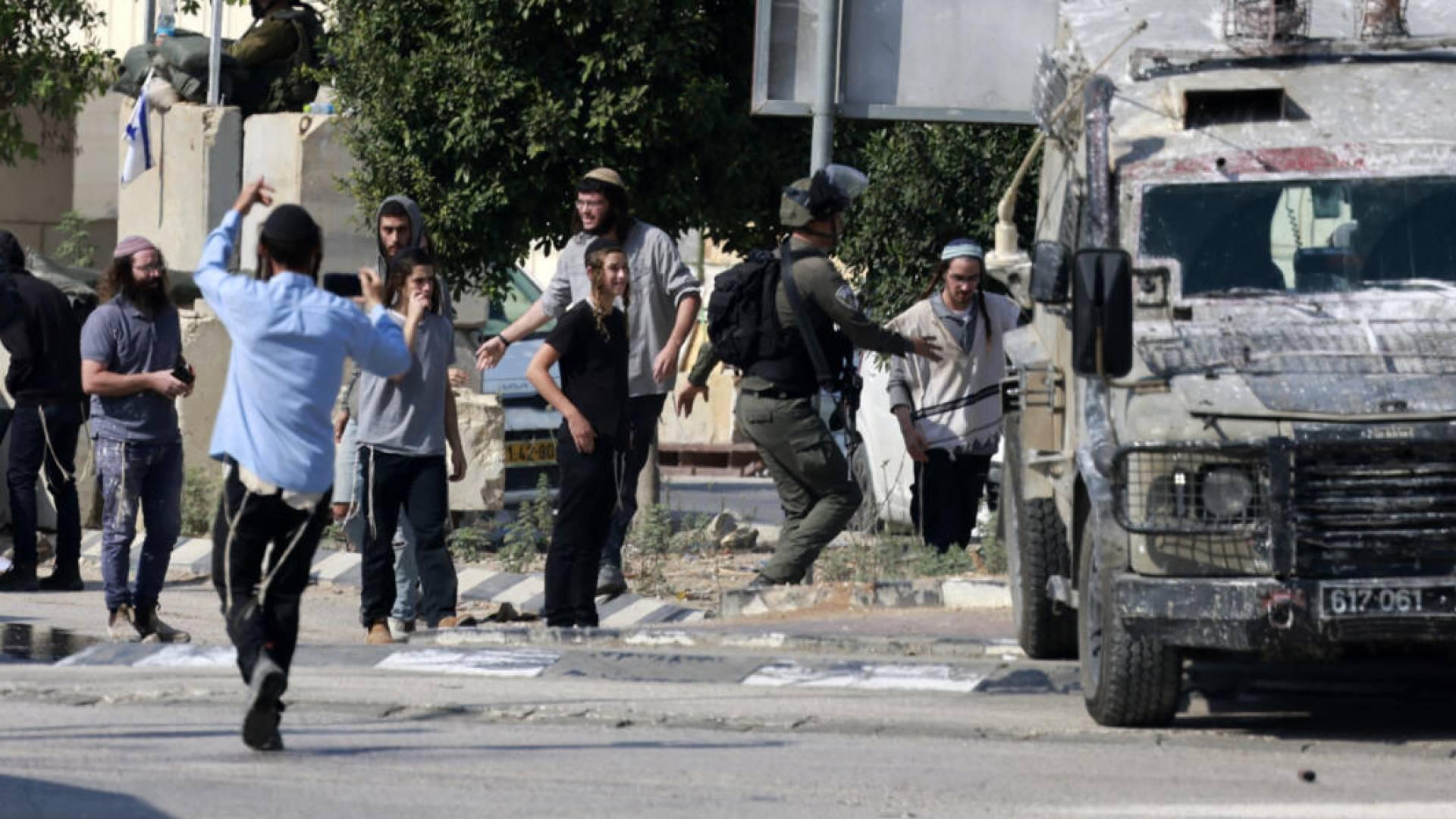
Israeli Security Forces Kill Four Bani Odeh Family Members Near Tubas in West Bank
14 sources compared
Haley Stevens And Abdul El-Sayed Clash In Michigan Senate Debate Over Israel And Gaza Policy
12 sources compared
Settlers Attack Hawara, Injuring 13 Palestinians South of Nablus
13 sources compared