Technology and Scienceupdated 20m ago3 min read
Archive photo · 14 September 2019EU Considers €50 Billion Sovereign Tech Equity Fund for AI and Quantum Computing
“Hackers are already using AI to target crypto exchanges and steal funds”
“Its goal is to cut the bloc’s dependence on US and Chinese technology.”
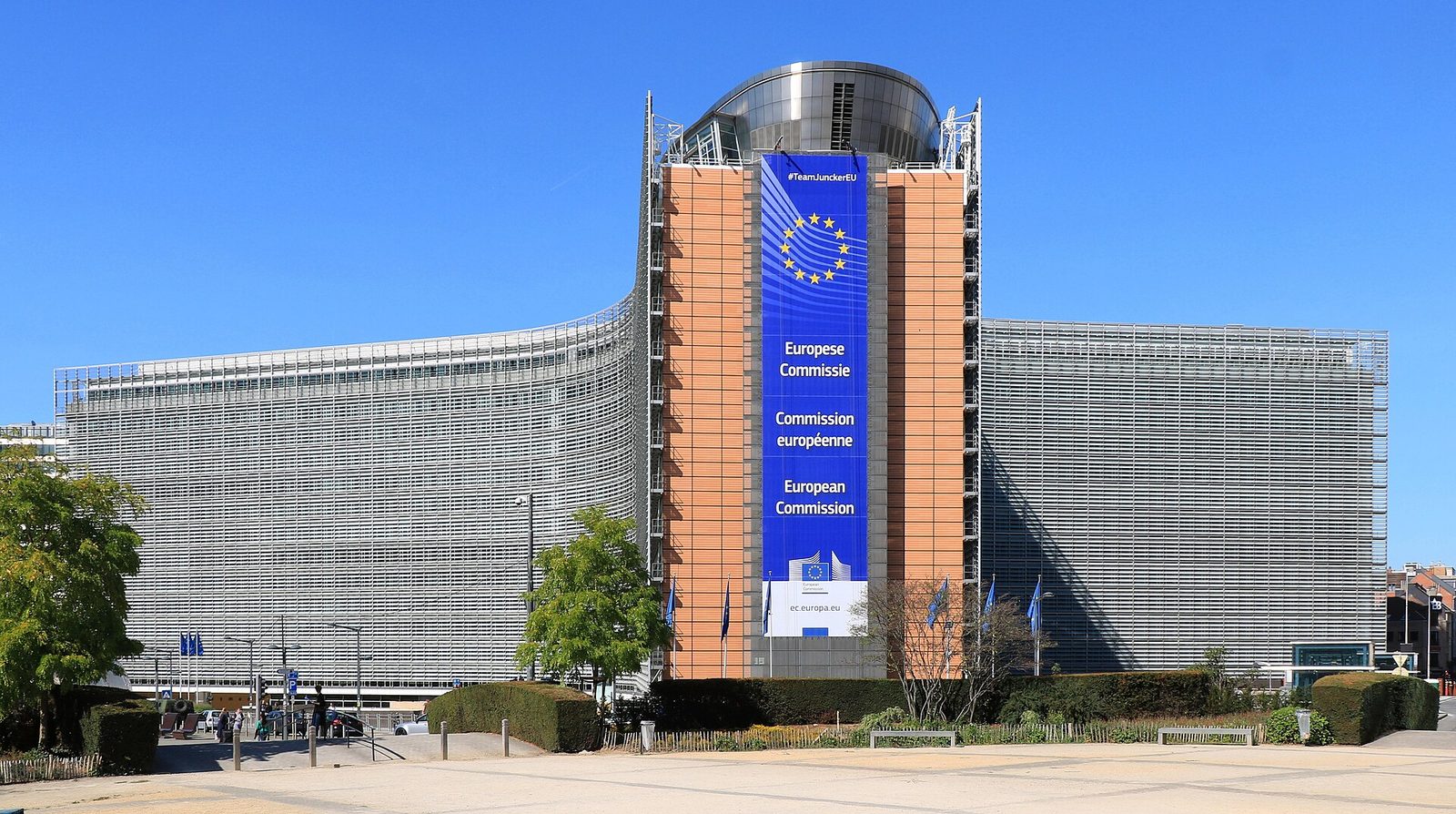
Photo: EmDee, CC BY-SA 4.0 · Cropped for layout
This article is an automated aggregation of coverage from news outlets. Our editorials offer in-depth analysis curated by the NewsCord team.
EU plans a Sovereign Tech Equity Fund of up to €50 billion for AI and quantum computing. Fund targets long-term, high-risk investments to reduce dependence on US and Chinese tech.
Save coverage image
EU weighs STEF size
The European Union is considering an envelope of up to 50 billion euros for a new fund dedicated to long-term, high-risk investments in AI and quantum computing, named Sovereign Tech Equity Fund (STEF). Ursula von der Leyen, President of the European Commission, told reporters earlier this month that the Union needs at least 500 billion euros for technological sovereignty, and the STEF is described as intended to cover 10% of that figure. Henna Virkkunen, European Commissioner for technology sovereignty, security, and democracy, said the mechanism would cover critical technologies beyond quantum computing, while the European Commission also planned to launch the Quantum Act on 30 November.
The Financial Times reported that fund modalities are to be clarified in February, and the Commission seeks to mobilize up to 6 euros for every euro it commits. The European Commission’s plan is framed as a break with existing EU habits because an EU staff member described the STEF’s risk-taking as “the opposite of what the EU usually does.”
Quantum Act and governance
The Quantum Act, presented in Strasbourg by the European Commission, is described as aiming to transform European research results into products, infrastructures, and production capabilities, while reducing technological dependencies on the United States and China. Henna Virkkunen said, “Quantum technologies will shape the future of industry, security, and innovation, and they will have a profound impact on our societies,” linking the policy to industrial development and innovation. The Quantum Act also includes a public procurement measure that would reserve certain markets for companies controlled by European interests, while suppliers established in third countries could participate subject to reciprocal agreements with the European Union.
The Quantum Act’s financing design ties to a Sovereign Tech Equity Fund, and Reuters and Financial Times reporting is cited as saying the fund could mobilize up to €50 billion, while the Commission did not include a precise amount in its proposal. The Le Temps account adds that the fund would bring together public and private capital and provide financing for “all critical technologies, necessary for our technological sovereignty and our economic security,” as Virkkunen said at a press conference in Strasbourg.
Security, competition, and next steps
The EU’s fund plan is presented as part of a broader effort to reduce dependence on US and Chinese technology, with the Financial Times reporting that the STEF would invest larger sums, take on more risk, and hold stakes longer than existing EU financing programs. Cointelegraph’s account links the technologies to security stakes, saying hackers already use AI to target crypto exchanges and that a sufficiently powerful quantum computer could one day let attackers access someone else’s crypto. The Commission’s Quantum Act is also described as accelerating preparation for post-quantum cryptography, with the text stating that nine of the 47 critical components identified for quantum technologies have no established suppliers within the Union.
Le Figaro’s AFP-sourced account says Virkkunen explained the fund would provide funding for “all critical technologies, necessary for our technological sovereignty and our economic security,” during a press conference at the European Parliament in Strasbourg. The Le Monde Informatique account says the Quantum Act does not mean immediate entry into force, because the proposal must now be examined by the European Parliament and the member states, which may alter its provisions before adoption.