Europe08 October, 20252 min read
EU Imposes 50% Steel Tariffs to Cripple UK Industry and Destroy Jobs
EU plans to halve tariff-free steel import quota and impose 50% tariffs beyond limit UK steel exports to EU worth nearly £3 billion, representing about 78% of total exports

15 outlets told this the same way.
Outlets did split on Marco Rubio Urges Europe To Awaken From Slumber In Athens Speech →
EU Steel Import Restrictions
The European Commission has proposed sharply tightening its steel safeguard regime by cutting the tariff-free import quota by roughly half and doubling the duty on volumes above that threshold to 50%. These steps are said to be necessary to protect EU steel mills from cheap, subsidized imports, particularly from China and Turkey. Several sources quantify the quota cut as a 47% reduction to 18.3 million tonnes, with a 50% tariff applied above the cap.
“Britain’s steel industry is facing a severe crisis after the European Commission proposed doubling tariffs on steel imports to 50%, which could drastically limit access to the EU market—Britain’s largest steel export destination, accounting for £3 billion and 78% of UK steel exports.”
Other sources describe the change as halving the quota. For the UK, whose steel industry sends about 78–80% of its exports, worth nearly £3 billion, to the EU, industry and unions warn that this poses an existential threat. Reports differ on the timing of the measures; some say they could take effect early next year pending approval, while others suggest June 2026.
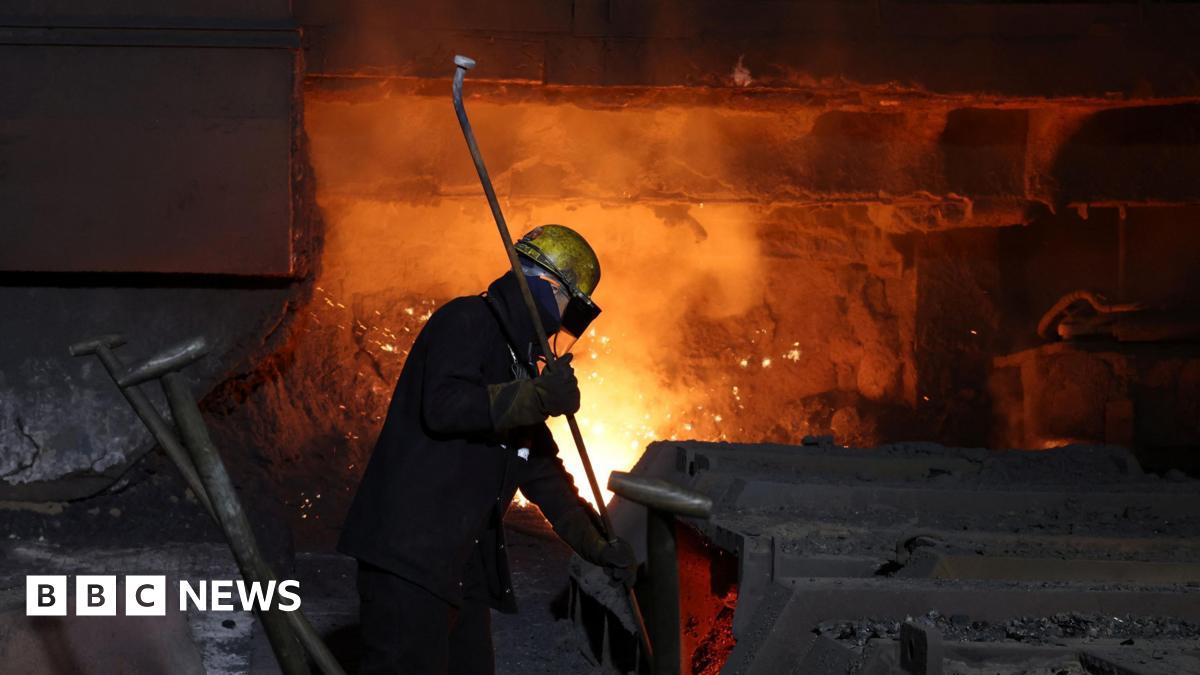
UK Steel Industry Challenges
For Britain, the exposure is acute: roughly 78–80% of UK steel exports—nearly £3bn—go to the EU. Unions and executives describe the EU move as the biggest crisis in modern UK steel, an existential threat that could cost thousands of jobs across key towns such as Scunthorpe, Port Talbot and Rotherham.
Welsh plants are especially anxious amid Tata Steel’s recent shutdown of its last blast furnace at Port Talbot, which cut more than 2,000 jobs. UK officials say they are engaging with Brussels and exploring UK‑specific arrangements.
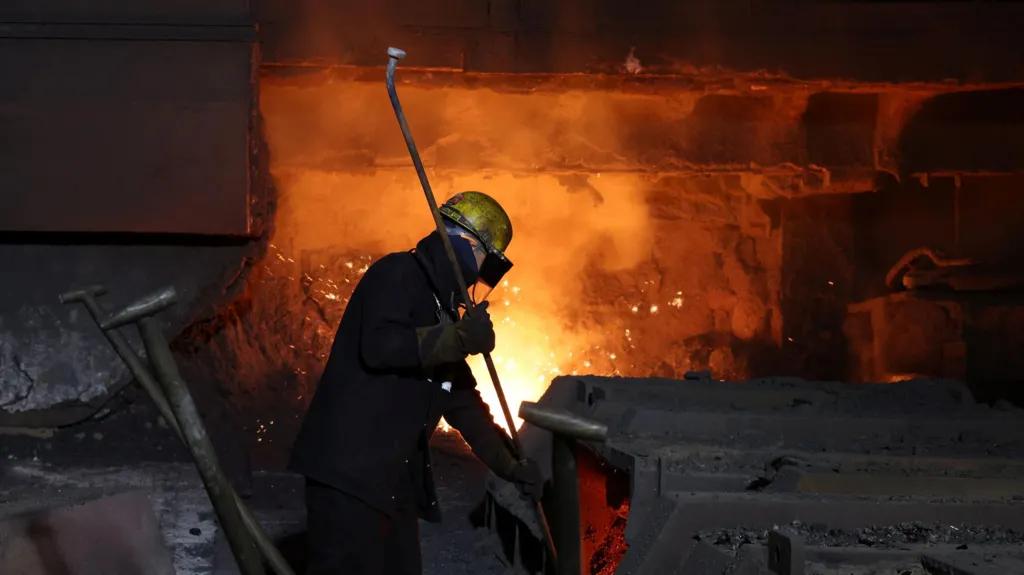
EU Steel Trade Policy Impact
Brussels’ stated rationale is to protect EU producers against a surge of subsidized imports and global overcapacity. This approach aligns with recent policy shifts seen in the United States. Analytical coverage warns that the policy will raise costs and suppress trade on both sides.
“The EU justifies the measures as necessary to protect European producers from cheap steel imports from countries like China and Turkey, citing global overcapacity and unfair competition.”
Experts urge diplomacy over retaliation to address these trade issues. Some reports highlight deep job losses within the EU steel industry since 2018. These job losses form part of the political backdrop to the implementation of tougher safeguards.
Tariff Quota Changes and Impact
Key figures and wording vary across outlets regarding the tariff-free quota reduction. Several sources specify a 47% cut in the quota to 18.3 million tonnes from 33 million. Other sources describe this change as a “halving.”
UK-focused coverage emphasizes Britain's exposure, noting that over 78% of exports go to the EU. Some reports argue this change is even more damaging for the UK than previous US tariffs because of its heavy reliance on the EU market. Outlets also differ on when the new regime would start, which adds to business uncertainty.
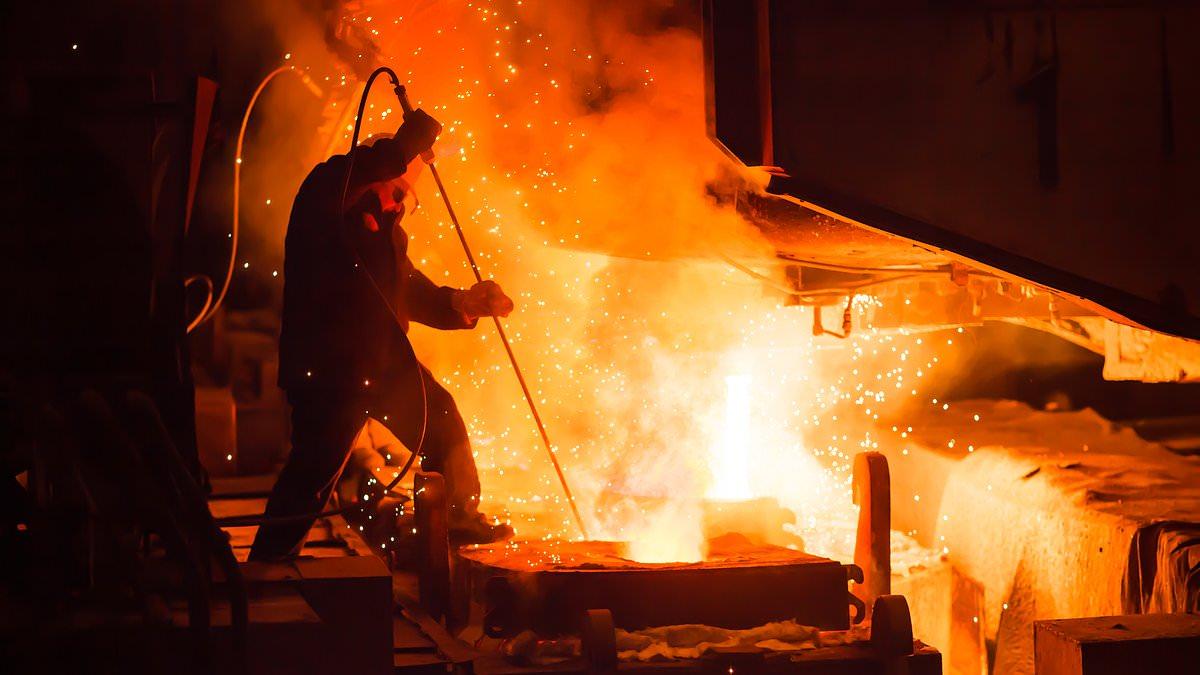
UK Steel Industry Challenges
What happens next will hinge on diplomacy. Industry leaders and unions urge the UK government to secure UK-specific quotas or exemptions and to press for preferential treatment. Ministers say they are seeking urgent clarification from Brussels and are in talks to protect the sector.
“Industry leaders and unions warn the new EU tariffs could be existentially damaging and are urging the UK government to negotiate UK-specific exemptions or quotas.”
Some coverage criticises the government’s lack of a clear strategy. Analytical voices recommend negotiation over retaliation, targeted carve-outs, diversification of markets, and investment in higher-value steel to weather the shock.
