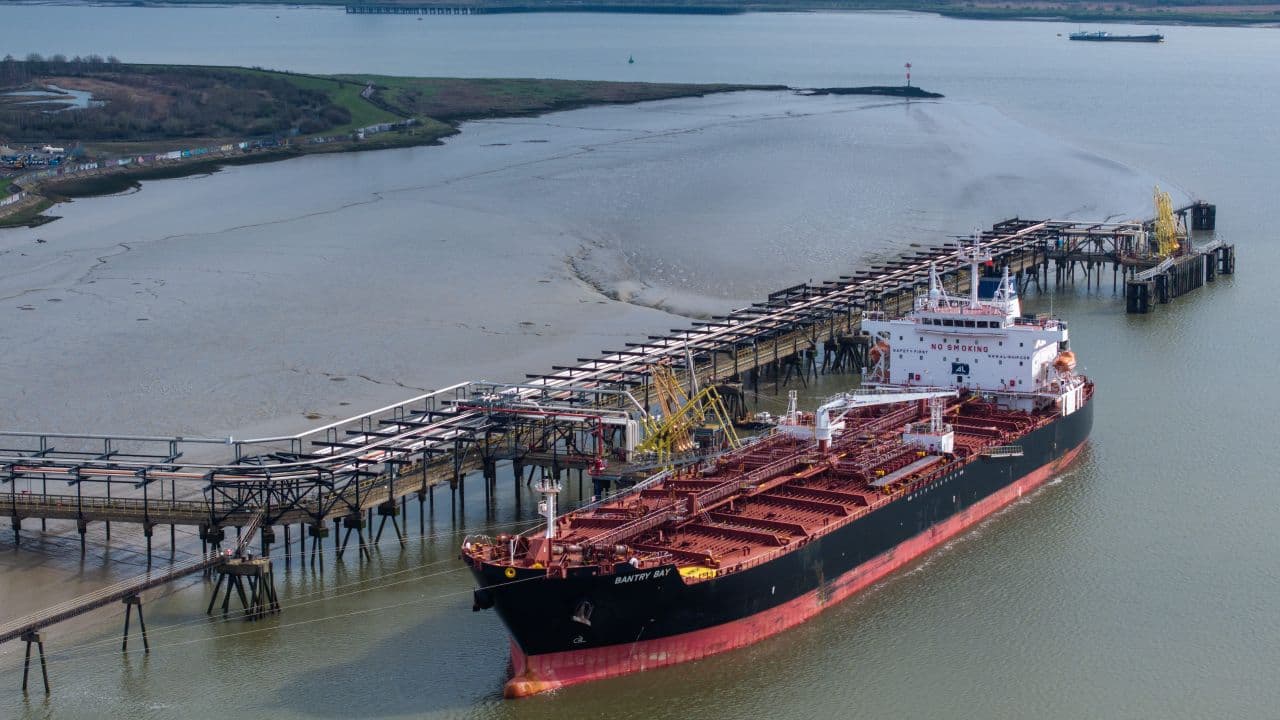
Europe and Japan Ready to Open Strait of Hormuz, Stabilize Global Energy Markets
Key Takeaways
- Europe and Japan pledge to join measures to stabilize energy markets and open Hormuz.
- Six nations began preparatory planning to safeguard shipping through Hormuz.
- Energy prices surged after strikes on Gulf energy facilities.
European-Japanese Alliance
European nations led by Britain, France, Germany, Italy, and the Netherlands, together with Japan, have issued a joint statement expressing their readiness to contribute to 'appropriate efforts' to ensure safe passage through the Strait of Hormuz.
“Several European nations and Japan have issued a joint statement saying they would take steps to stabilise energy markets, a day after several strikes on energy facilities in the Gulf region sent oil and gas prices soaring amid the United States-Israel war on Iran”
The statement comes amid escalating tensions following Iranian attacks on energy infrastructure in the Gulf region that have sent oil and gas prices soaring.

The joint declaration condemns Iranian attacks and calls for an immediate comprehensive moratorium on attacks on civilian infrastructure, including oil and gas installations.
European leaders have specifically rejected demands from US President Donald Trump to deploy warships for a naval coalition in the Gulf.
Instead, they are focusing on diplomatic and economic measures to address the crisis.
Iran's Strategic Attacks
Iran's military actions have effectively closed the Strait of Hormuz, through which a fifth of global oil and gas flows, creating a severe crisis for global energy markets.
The attacks began on February 28 as part of Iran's response to the US-Israel war, with Tehran hitting sites across the Gulf region.

These strikes represent Iran's continued ability to exact a heavy price for the US-Israel campaign.
They demonstrate the limits of air defenses in protecting strategic energy assets.
The seemingly precise military operations underscore a lack of coordination in strategy and war aims almost three weeks into the conflict.
Critical Infrastructure Damage
Iran's attacks have caused extensive damage to critical energy infrastructure, with Qatar's Ras Laffan Industrial City suffering particularly severe losses.
“Netherlands, five allies ready to help secure Strait of Hormuz amid rising tensions The Netherlands, along with the United Kingdom, France, Germany, Italy, and Japan, said they are prepared to support “appropriate measures” to safeguard shipping in the Strait of Hormuz”
QatarEnergy reported 'extensive damage' from Iranian missiles in Ras Laffan, which produces about 20 percent of the world's LNG supply.
The company's CEO, Saad al-Kaabi, confirmed that facilities producing 17 percent of QatarEnergy's LNG exports were damaged.
These facilities would take three to five years to repair according to the company's assessment.
Additionally, Saudi Arabia's main port on the Red Sea was also attacked, further complicating energy logistics across the region.
Economic Fallout
The escalating conflict has triggered severe economic consequences, with energy prices soaring and stocks sinking amid regional instability.
Major economies have been scrambling to cushion the impact of rising global energy prices, reigniting fears over global supplies and inflation.

Qatar's Prime Minister strongly condemned Iran's actions, stating that Iran's claims about targeting US bases are 'unacceptable and unjustified'.
Japan, which gets 95 percent of its crude oil supplies from the Gulf, has been particularly concerned about supply security.
Prime Minister Sanae Takaichi has not offered to assist in clearing the Strait of Hormuz due to the unpopularity of the Iran war at home and constitutional limitations.
International Response
In response to the crisis, international coordination has emerged through multiple channels.
“Leaders from Europe and Japan joined forces Thursday in an effort to secure the Strait of Hormuz so that global trade can once more journey through the vital passage”
The International Energy Agency (IEA) last week authorized a coordinated release of its members' strategic petroleum reserves, the largest in its history.
The European-Japanese joint statement indicates they will take other steps to stabilize energy markets, including working with certain producing nations to increase output.
The nations expressed their readiness to contribute to appropriate efforts and welcomed the commitment of nations engaging in preparatory planning.
This coordinated response reflects growing concern about potential long-term damage to global energy security and economic stability.
More on Iran
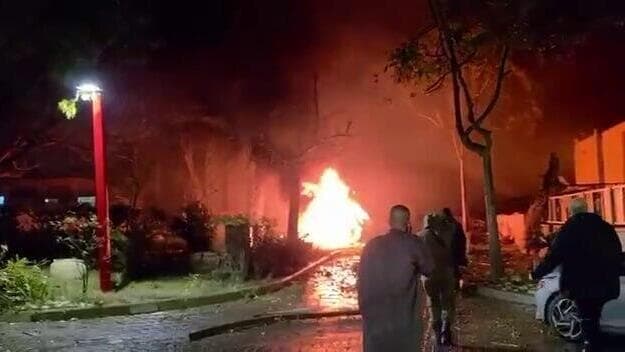
Iranian missiles strike Dimona and Arad, injuring over 100.
47 sources compared
Iran Attacks Dimona in Retaliation for Natanz Strike
44 sources compared

Iran Attacks Diego Garcia with Long-Range Missiles, Targeting U.S.-UK Base
82 sources compared
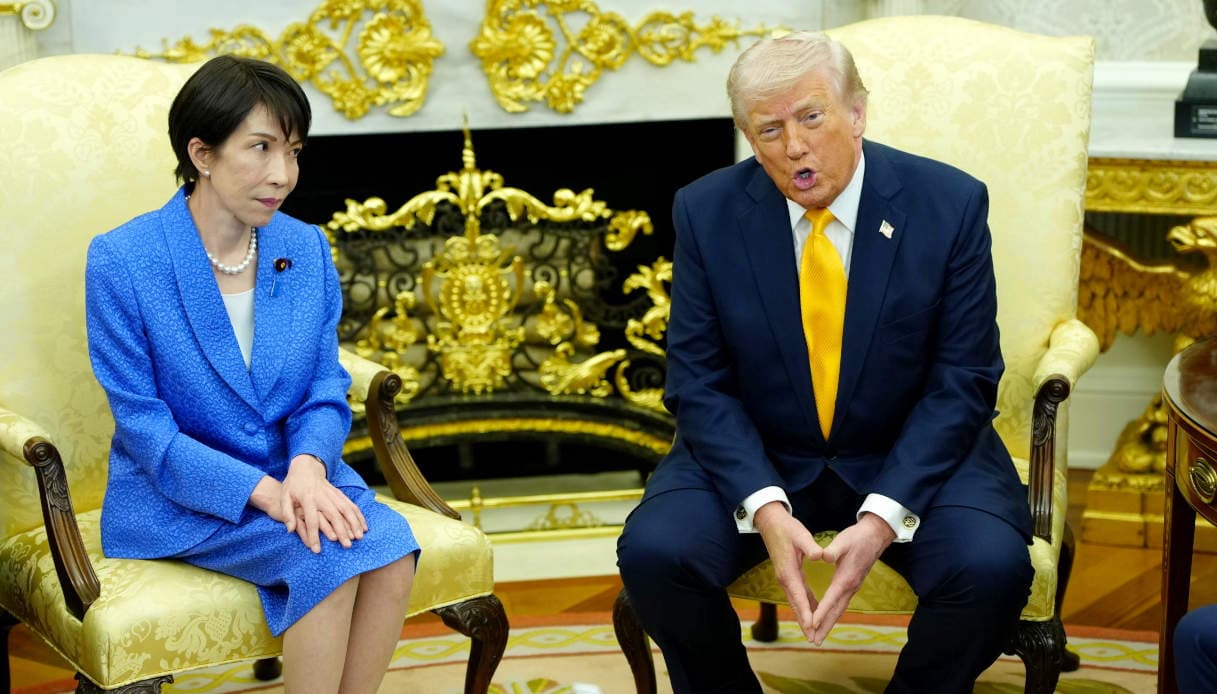
Trump Defends Iran War by Citing Pearl Harbor
12 sources compared