Lebanonupdated 49m ago3 min read
Kaja Kallas Says EU Will Launch Training And Support Mission For Lebanon’s Army
EU to launch an advisory mission for the Lebanese Armed Forces, not replacing UNIFIL. Mission aims to advise and assist, while UNIFIL mandate ends, avoiding security vacuum.
13 outlets told this the same way.
Outlets did split on Lebanon’s Judiciary Prepares To Apply General Amnesty Law No. 70, Judge Ahmed Rami Al-Hajj Says →
The National was read line by line by the Watchdog: 2.4. See the score →
EU plans non-UNIFIL mission
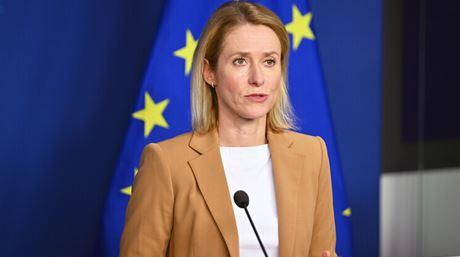
Kaya Kalas told Lebanese officials that the European Union has completed planning for a new mission to provide training and advisory support to the Lebanese army and internal security forces, after receiving an official invitation from the Lebanese authorities. President Joseph Aoun told Kalas that Lebanon “looks forward to signing a strategic partnership with the European Union,” and he thanked the European Council for moving toward approving a civilian-military mission under the framework of the Common Security and Defense Policy (CSDP). Kalas said the EU expects its foreign ministers to formally approve the mission on Monday, October 12, and she stressed that the mission aims to enhance the authority of the army and security forces over Lebanese territory, border security, and internal security in line with Resolution 1701.
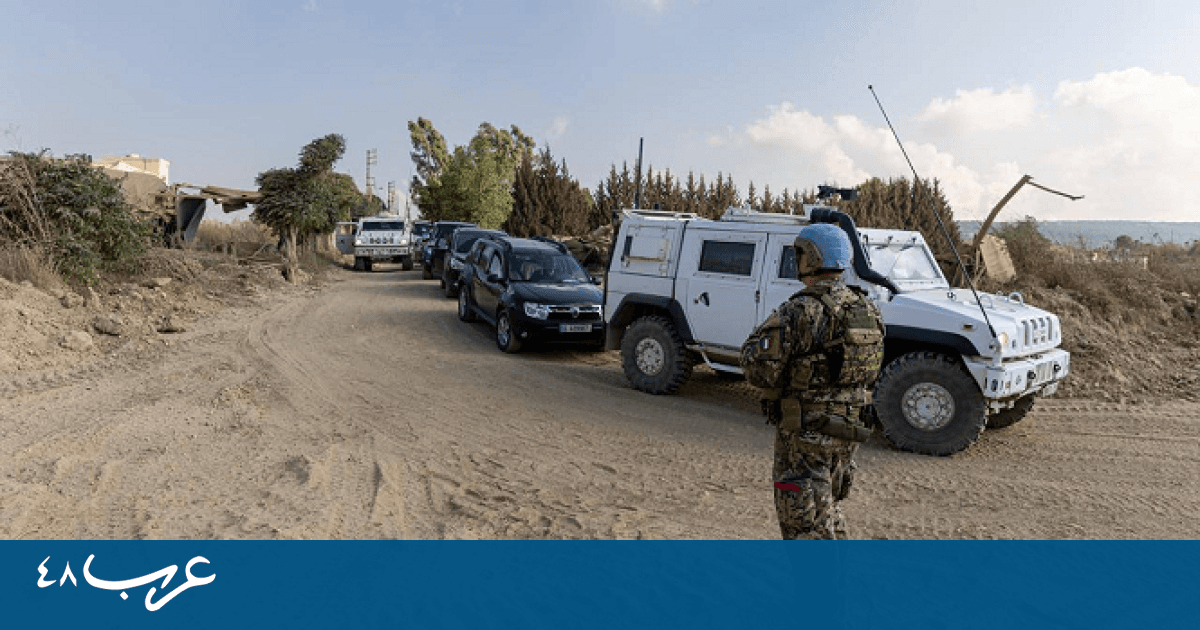
Kalas also emphasized that the mission will not replace UNIFIL or be confined to the south, while she said EU countries support extending the mandate of the United Nations Interim Force in Lebanon as its tasks near completion later this year. Lebanon’s Foreign Minister Yusuf Raji framed the mission as part of a sovereign approach, saying Lebanon has taken “a clear sovereign decision to restrict weapons and the use of force to the state alone on its entire territory.”
UNIFIL end raises vacuum fears
Kaja Kallas warned that “There cannot be a security vacuum when UNIFIL leaves Lebanon,” and she said EU member states are worried about the UNIFIL mandate ending. Kallas told AFP that the bloc favoured extending the mandate of UNIFIL, saying, “Our member states have been saying that there can't be any security vacuum in southern Lebanon, so everybody is worried about the UNIFIL mandate ending.” The Anadolu Ajansı account said Kallas linked the new EU training mission to the same concern, adding that the mission would operate in accordance with United Nations Security Council Resolution 1701 and would not replace UNIFIL.
The Naharnet account said Kallas told AFP that Lebanese authorities formally asked the EU for the training and advisory mission, and she expected the mission to be set up by EU foreign ministers on Monday. The عرب 48 account said UNIFIL has been deployed in southern Lebanon since 1978 and comprises about 7,500 personnel from nearly 50 countries, while it said the Security Council decided under American pressure to terminate the UN mission’s mandate by December 31, 2026.

Aid, control, and next steps
Kaja Kallas said the EU announced €505 million in financial assistance to be provided through 2027, and she said this would complement the €1 billion aid package announced in 2024. Kallas said the European Peace Facility support for the Lebanese Army reached €182 million since 2022, and she said Lebanon is the third beneficiary of the fund with further support planned for 2027. Raji told Kalas that Lebanon is working to “turn the page of the past and open a new page,” with the goal of restoring state authority, rebuilding institutions, and placing the country on a path of stability and recovery.
Kalas said the mission aims to strengthen the authority of the army and security forces on Lebanese territory, on border security and internal security, in line with Resolution 1701, while she reiterated that it will not replace UNIFIL and will not be limited to the south. The جريدة الأنباء الكويتية account added that President Aoun said the Lebanese army is fully carrying out its duties in the areas where it is deployed south of Litani under the “Framework Agreement,” which Israel continues to refuse to implement while carrying out attacks on southern towns.