Sports20 April, 20267 min read
F1 Confirms 2026 Engine Rule Changes Ahead Of Miami Grand Prix On May 3
This article is an automated aggregation of coverage from news outlets. Our editorials offer in-depth analysis curated by the NewsCord team.
Rule tweaks address energy management in 2026 V6 hybrid engines with near 50/50 split. FIA confirmed changes ahead of Miami Grand Prix to improve safety.

Rule tweaks for Miami
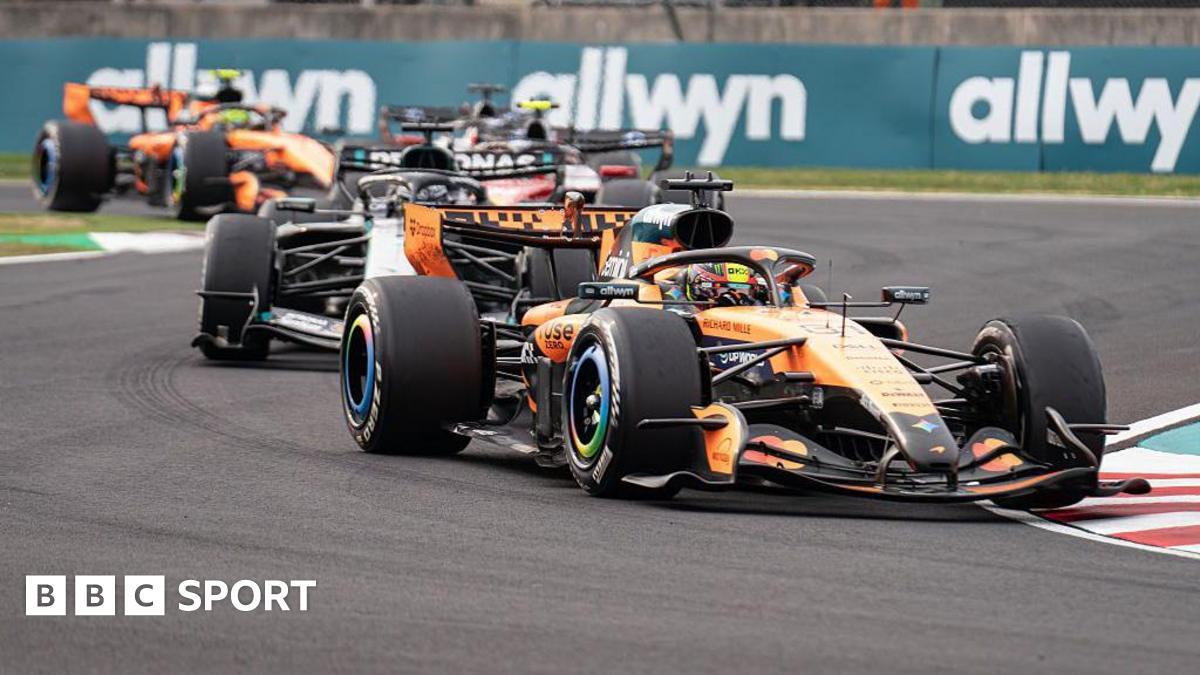
Formula 1 confirmed a package of rule changes aimed at addressing concerns about its 2026 engine regulations ahead of the Miami Grand Prix on May 3, with the changes focused on energy management, safety and race performance. Multiple outlets tied the adjustments to the new power units’ “near 50-50 split between internal combustion and electrical power,” which has driven complaints from drivers that their skills were being diminished. The BBC reported that the changes were “a swathe of modifications to the way the engines operate” intended to allow drivers to “push to the limit in qualifying” while reducing the risk of large speed differentials in races.
ESPN said F1’s biggest rule change this season included “a move to new V6 hybrid engines featuring a near 50/50 split between combustion and electrical power,” and that the changes were agreed in time for Miami. Sky Sports reported that the meeting on Monday was attended by “F1, the FIA, team bosses and chiefs from engine manufacturers,” and that the package was designed to appease driver concerns over safety and certain elements of competition. The Guardian added that the changes were agreed by senior representatives including “the FIA, team principals and their chief executives, the power unit manufacturers and F1’s chief executive, Stefano Domenicali,” and that they remained subject to ratification by the world motorsport council before Miami on 3 May.
Energy limits and superclip
At the center of the changes were adjustments to qualifying energy management parameters, including the permitted recharge on a lap and the limits tied to “super-clipping.” The BBC said the total amount of permitted recharge on a lap was reduced from 8MJ to 7MJ, and that this was intended to reduce the time spent recovering energy and therefore the amount of time doing so. It also reported that the maximum amount of power recovered when the driver is on full throttle but not deploying the battery—“super-clipping”—was increased to 350kw from 250kw.
The BBC further stated that the FIA said the aim of these changes was to ensure the maximum time spent super-clipping on a qualifying lap was in the region of two to four seconds. Sky Sports echoed the same qualifying adjustments, stating that the reduction in maximum permitted recharge was “from 8MJ to 7MJ” and that the change targeted a maximum superclip duration reduced to “approximately 2-4 seconds per lap.” The Guardian framed the qualifying changes as a response to the “unpopular process of lift and coast,” saying the limit in recharge over a lap was decreased “from eight megajoules to seven” and that the recharge limit was increased “from 250kW to 350kW when super clipping.”

Boost caps and safety
Beyond qualifying, the rule changes also targeted race conditions by capping boost power and limiting how much electrical deployment could be used in different parts of the lap. The BBC said the in-race changes were mainly targeted at ensuring sudden speed differentials between cars in different deployment states do not become dangerous, and it described this as a key contributing factor in the high-speed crash involving Haas driver Oliver Bearman in the Japanese Grand Prix. The BBC reported that the maximum power of the “boost” mode will be capped at 150kw, or the car’s existing deployment level, if that is higher.
It also said cars would be allowed to deploy the full 350kw (470bhp) of electrical power in acceleration zones out of corners, but limited to 250kw at other parts of the lap, with “straight-line mode” zones described as areas where the front and rear wings are open to increase speed. ESPN similarly tied the safety concern to the Bearman incident, saying the safety concerns were “highlighted by Oliver Bearman's near miss with Alpine's Franco Colapinto in Japan,” when the Haas driver approached the Argentinian’s car with a much higher closing speed. Sky Sports said the race boost limits were designed to improve safety by “capping of boosts and limits to power deployment in corners,” and it specified that “The maximum power available through the Boost in race conditions is now capped at +150kW.”
Drivers react and officials respond
The rule changes were framed as a response to driver dissatisfaction and safety fears, with multiple outlets quoting prominent figures about the new cars and the need for adjustments.
The BBC said four-time world champion Max Verstappen had gone as far as to say that he was considering his future in F1 as a result of his dissatisfaction with the new cars, and it also reported that Mercedes F1 boss Toto Wolff had previously described the changes as “acting with a scalpel and not with a baseball bat.”
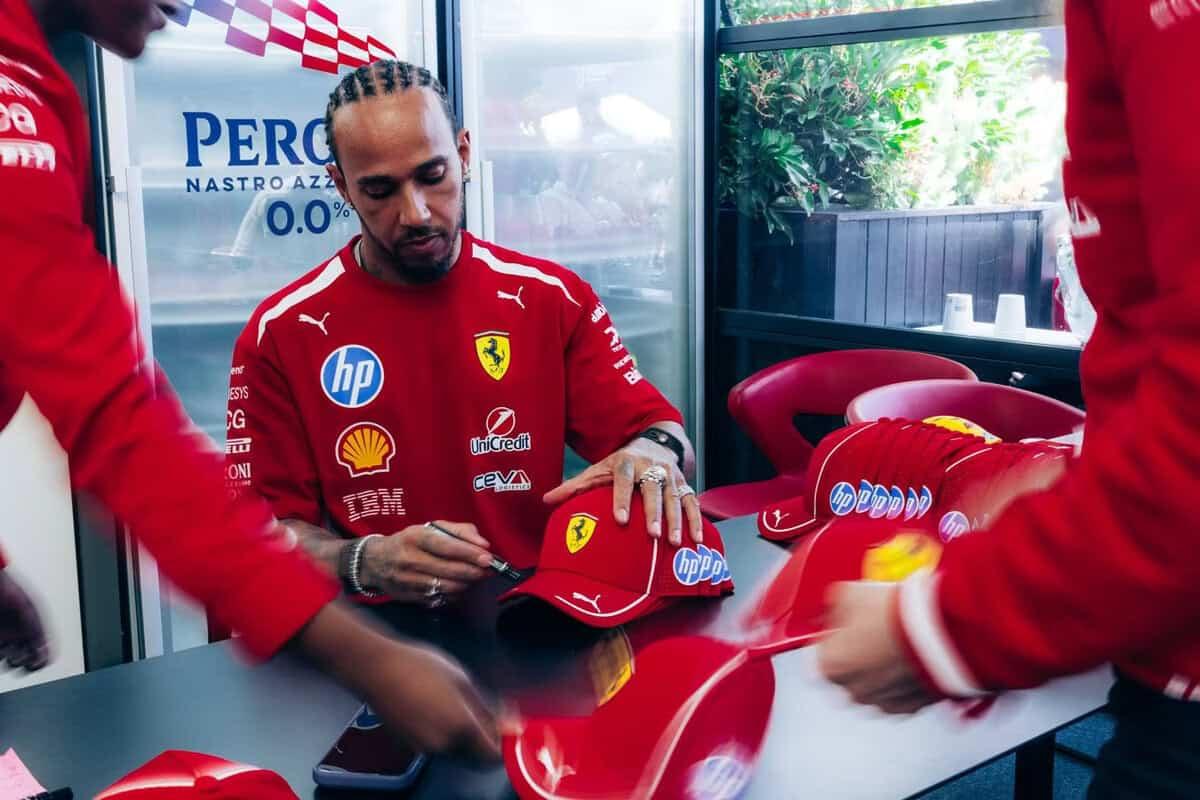
The Guardian quoted Wolff’s position in full, saying: “We all share the same objectives. It's how can we improve the product, make it out-and-out racing, and look at what can improve in terms of safety, but act with a scalpel and not with a baseball bat.”
ESPN described Verstappen’s criticism in more detail, saying he called the new cars “anti-racing,” likened it Mario Kart and to all-electric series Formula E “on steroids,” and it added that he had hinted he was ready to quit the sport altogether.
ESPN also included a contrasting view from Lewis Hamilton, quoting that he had called the new cars the purest form of wheel-to-wheel racing he’s ever experienced, and it said Hamilton suggested he has “never had more fun racing in F1.”
The Guardian also quoted FIA president Mohammed Ben Sulayem, who described the engagement with drivers as “constructive and collaborative,” and said: “Safety and sporting fairness remain the FIA’s highest priorities,” adding that “These changes have been introduced to address the issues identified in the opening events.”
How outlets framed the same story
While the core content of the rule changes was consistent across outlets, the emphasis and framing differed in ways that shaped how readers understood the urgency and the problem the sport was trying to solve. The BBC focused on the technical rationale, describing how energy management required by the new power units—“near 50-50 split between internal combustion and electrical power”—had led to complaints that drivers’ skills were being diminished, and it detailed the qualifying and race changes with specific targets like “two to four seconds.” Sky Sports emphasized the safety and competition angle, saying the tweaks were designed to appease driver concerns over safety and certain elements of competition, and it highlighted that “Changes to the start procedure will be trialled in Miami” with the focus on ensuring cars that struggle to pull away are not left as a hazard.
The Guardian framed the changes as a reaction to “driver dissatisfaction and safety fears,” and it described the process as “constructive and collaborative” engagement with drivers, while also stressing that the changes were “rather than a sweeping rewrite.” ESPN, by contrast, foregrounded the broader controversy around the new cars and the fan reaction, describing “a litany of problems and a new driving style unpopular with many drivers and a significant chunk of fans,” and it also included discussion of starts and wet-weather concerns. The BBC and Guardian both referenced the Bearman incident in Japan, but they characterized it differently: the BBC described a “high-speed crash involving Haas driver Oliver Bearman,” while ESPN described a “near miss” involving Bearman and Franco Colapinto.

What comes next for 2026
The rule changes were presented as immediate fixes for the Miami Grand Prix, but outlets also pointed to ongoing evaluation and the possibility of further adjustments. The BBC said the changes were split into a number of different areas, and that most would be introduced at the next race, the Miami Grand Prix on 1-3 May, while also noting that the changes were approved on Monday and must be rubber-stamped by the FIA world council. ESPN said the FIA released an extensive list of changes on Monday evening, and it reported that it remained unclear whether more sweeping changes to the rules would be made ahead of the 2027 season.
Sky Sports said the final approval from the World Motor Sport Council should be a formality required ahead of the Miami Grand Prix, and it described the start procedure trial and wet-weather changes as part of the package. The Guardian said the changes were subject to ratification by the world motorsport council, a formality expected to be concluded before the next round in Miami on 3 May, and it also described additional safety protocols for race starts including warning lights for cars that are slow to move off. In the BBC’s account, the wet conditions component included allowing an increase in temperature of tyre blankets “to improve initial grip and tyre performance in wet conditions,” and it said maximum levels of electrical deployment would be reduced to limit torque and improve car control.