Technology and Science · 02 July, 2026 · 3 min read
FAA Proposes Noise-Based Certification to Allow Overland Supersonic Flights in the United States
FAA proposes replacing overland ban with a noise-based certification standard. Ground-level sonic-boom limits measured via pressure wave, not decibels.
Whether the FAA standard is framed as noise vs pressure/noise perception.
5 of 6 outlets skipped it: x-59 design goal is about 75 perceived PldB..
24outlets compared
Same story, two versions
tap a side to read it in full
Aerospace America
“maximum pressure-wave reading at ground level, not a decibel level”Read the original ↗
They differ on whether regulation matches human hearing.
FAA sets quiet standard
The U.S. Federal Aviation Administration (FAA) has proposed replacing the 53-year-old ban on civilian supersonic flight over the continental United States with a “noise-based” certification standard, aiming to allow overland supersonic operations if sonic boom overpressure at the surface stays within limits.
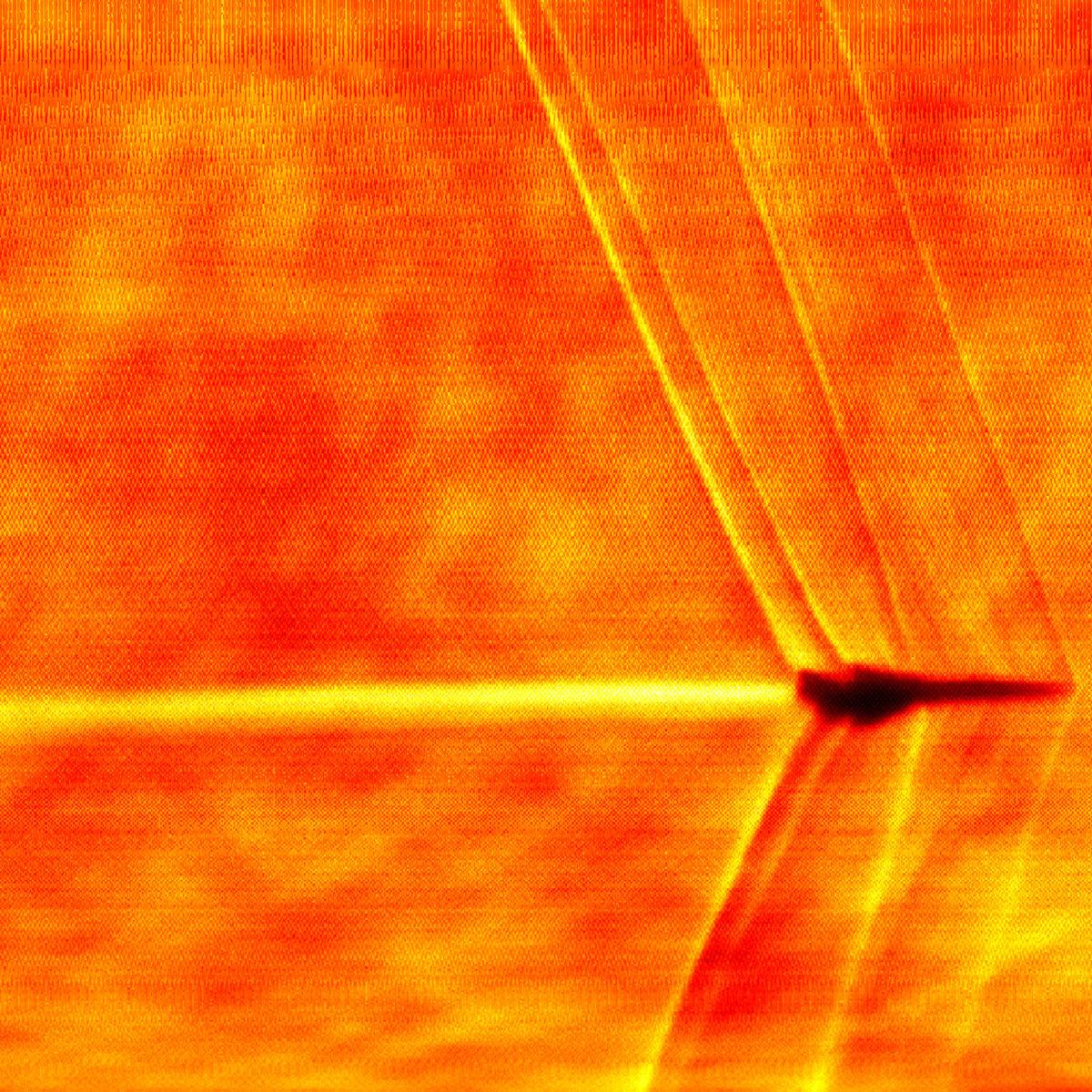
In the FAA’s notice of proposed rulemaking, civil aircraft operators could break the sound barrier as long as “sonic boom overpressure at the surface does not exceed 0.11 pound per square foot (psf),” and they must first demonstrate compliance in test flights to the FAA’s satisfaction.
The FAA also plans a second rule later this year on landings and takeoffs of supersonic aircraft, and it says it aims to finalize both rules by mid-2027.
The proposal is framed as a shift away from speed limits toward a measurable pressure-wave threshold, with the FAA describing the metric as a future regulating condition rather than a decibel or human-annoyance standard.
Aerospace America reports the draft rule would replace the Mach 1-or-greater overland ban enacted due to public complaints about annoyance and damage from military aircraft testing that generated “thunderous sonic booms.”A
X-59 and Mach cutoff
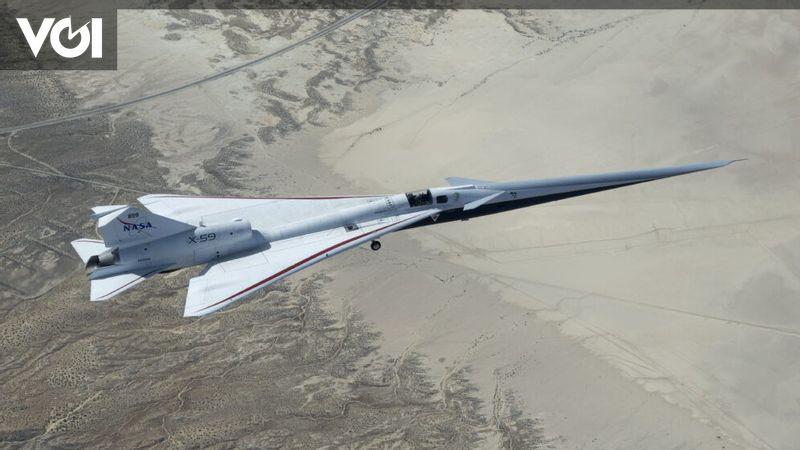
NASA’s X-59 demonstrator is central to the effort to make overland supersonic flight more acceptable, with the aircraft designed to generate a “sonic thump” rather than a loud sonic boom. Aerospace America says the X-59 “broke the sound barrier for the first time in early June,” and it describes the sound as “a ‘sonic thump’ similar to the sound of a car door shutting about 6 meters (20 feet) away.” AThe FAA’s draft also references Boom Supersonic’s approach using “Mach cutoff,” where the company’s autopilot mode is meant to leverage atmospheric conditions so the boom refracts away from the ground.
In the same draft, FAA language says “This refraction prevents potential sonic boom with an overpressure greater than 0.11 psf from reaching the surface,” and it notes manufacturers have stated avionics technologies could scale Mach cutoff for operators. Boom CEO Blake Scholl told Aerospace America that “a renaissance in supersonic passenger air travel is now inevitable,” while two sonic boom researchers cautioned that pressure limits may not map directly to human-perceived noise.
Rules, timelines, and stakes
The FAA’s proposed framework is intended to give manufacturers guidance to finalize designs, with the FAA saying it aims to finalize both rules by mid-2027 and to propose the second rule on landing and takeoff noise later this year.
AeroTime reports that US Department of Transportation (DOT) Secretary Sean P. Duffy announced the proposed rule on June 30, 2026, saying advances in supersonic technology now make it possible to operate these aircraft without producing a disruptive sonic boom on the ground.
AeroTime also quotes FAA Administrator Bryan Bedford saying, “This means we can ultimately repeal the ban from the 1970s on supersonic flight over US territory while minimizing noise impacts to residents in communities along the route and near airports,” linking the regulatory change directly to community noise concerns.
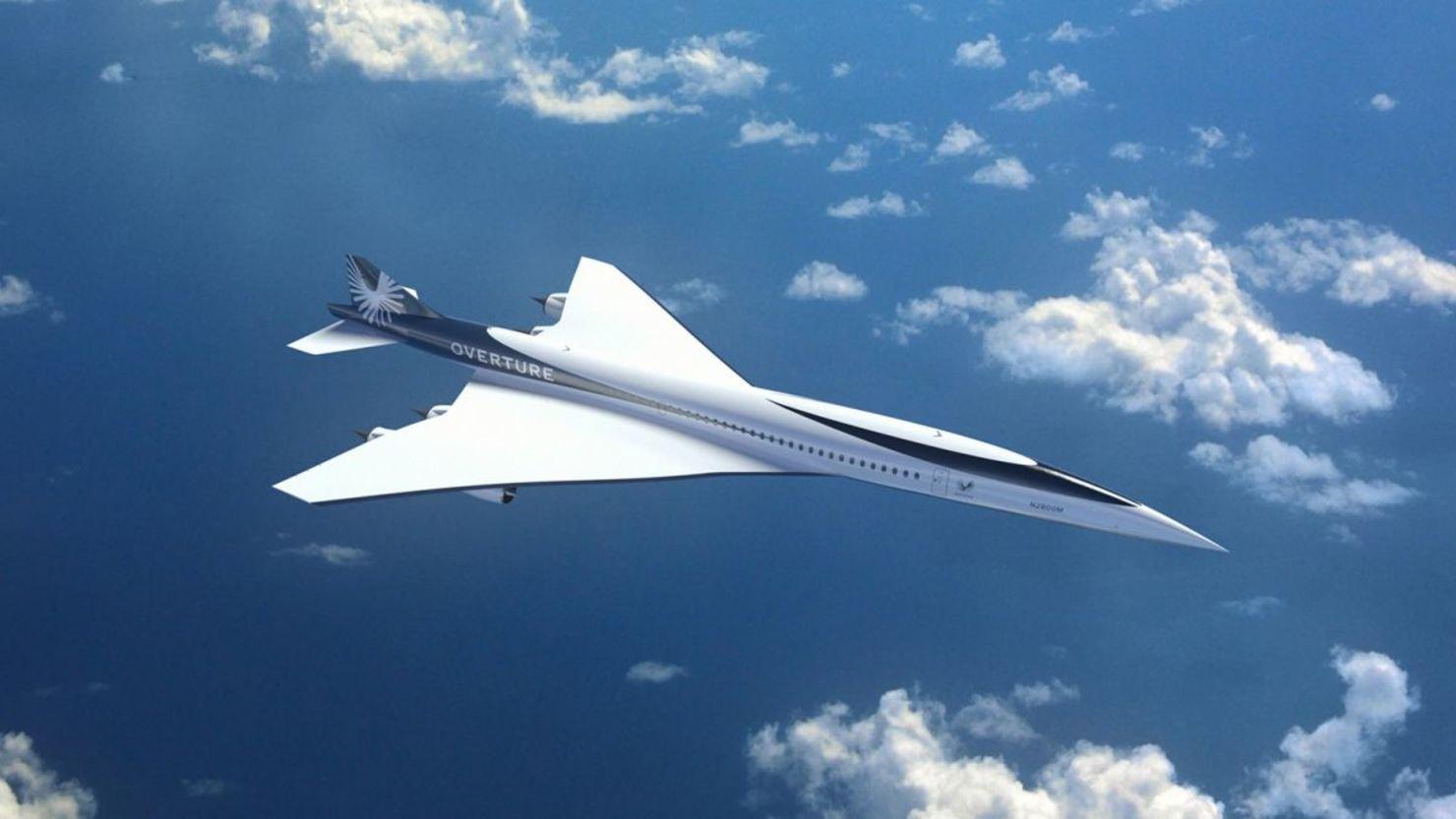
The stakes extend to certification and operational planning for next-generation aircraft, because PCMag Australia reports that Boom’s Overture is designed as a Mach 1.7 four-engine jet for “60 to 80 passengers” and that Boom said it planned to roll out the first Overture from its factory in 2025 and get it into service by 2029.P
PCMag Australia further notes that United Airlines signed up for 15 Overture aircraft in 2021 and American Airlines followed with a 20-plane order in 2022, both conditioned on meeting operational and safety requirements, underscoring how the new noise standard could shape whether commercial supersonic plans move forward.P