
Technology and Science · 07 August, 2026 · 2 min read
University of Maryland Study Finds Wildfire Smoke Doubles Fetuses’ PM2.5 Exposure, Raises Preterm Birth Risk
Wildfire smoke doubles fetuses’ exposure to PM2.5 during pregnancy. Preterm birth risk increases linked to wildfire-related PM2.5 exposure.
11 outlets told this the same way.
10 of 11 outlets skipped it: study labels wildfire-exposure risks as population-level only, not causal outcomes..
11outlets compared
Wildfire smoke and pregnancy
A scientific study led by researchers from the University of Maryland in the United States found that the rate at which fetuses are exposed to fine particles from wildfires has more than doubled during the period from 2003 to 2019.
The study published in Frontiers in Environmental Health analyzed how exposure to PM₂.₅ during pregnancy varied across the country, and it reported that wildfire smoke is now responsible for most high-pollution days experienced during pregnancy.
Researchers said fine particles known as PM2.5, produced by wildfires, may be more harmful than particles from traditional pollution sources, and the study linked exposure to wildfire smoke during pregnancy with an increased risk of preterm birth and lower birth weight.
The University of Maryland team also reported that wildfires became responsible for more than 70% of days when fine-particle levels exceeded the limits set by the U.S. Environmental Protection Agency during 2017 and 2018.
Who is most exposed
The study analyzed approximately 64.5 million pregnancies across 2,842 counties in 48 states, and it used pollution modeling combined with demographic information including maternal ethnicity, county income, urban or rural residence, and access to maternity care. Researchers reported that average daily prenatal exposure to PM₂.₅ from all sources fell by approximately 34%, but when wildfire-related pollution was excluded, the decrease was larger, at about 37%. Wildfires’ share of total prenatal PM₂.₅ exposure more than doubled during the 17-year period, rising from approximately 3.7% in 2003 to 8.2% in 2019, and by the end of the study period around 65% of prenatal PM₂.₅ exceedance days could be attributed to wildfire smoke.
In the northwestern United States, wildfire contributions to prenatal PM₂.₅ rose from 5.1% to 13.3%, and across western states the proportion increased from roughly 3.7% to 9.7%. The study said the highest wildfire-related exposures were recorded among low-income communities, rural populations, American Indian and Alaska Native communities, and areas facing shortages of maternity-care services.
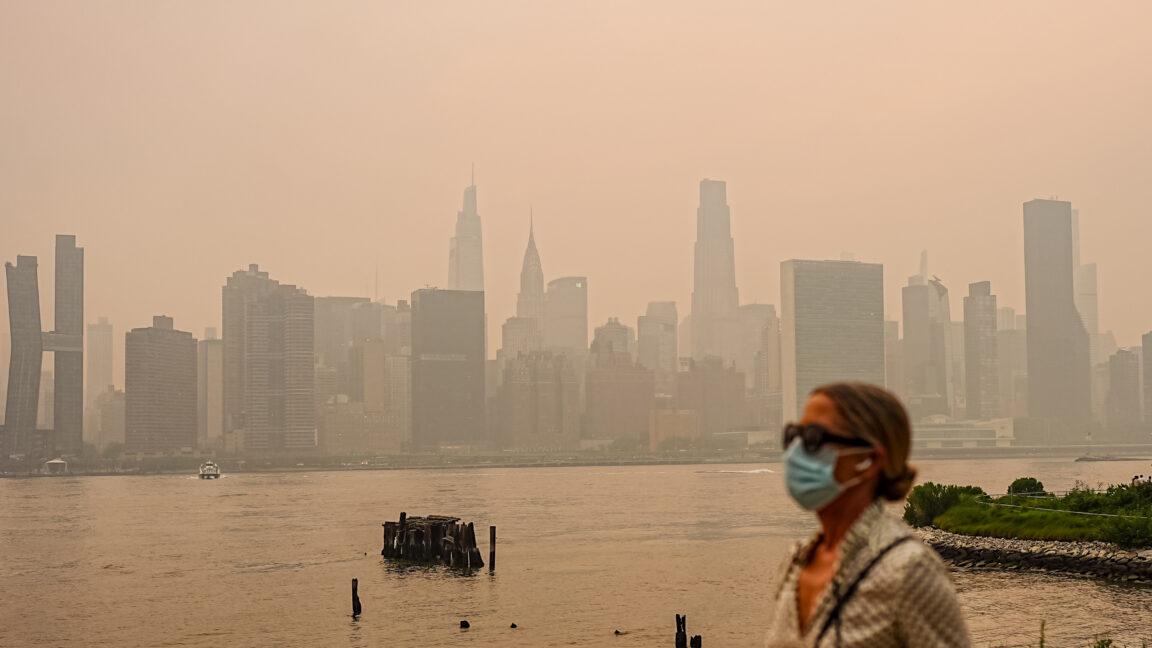
Policy and public health
Researchers said the findings expand the groups at risk of air pollution, as the danger is no longer limited to people with respiratory diseases but also includes pregnant women and fetuses. Michel Podro, an associate professor of health policy and management at the University of Maryland and a co-author of the study, stated that reducing pregnant women’s exposure to these particles “means healthier children today and more productive adults in the future.” The study also reported that the period between 2020 and 2025 was the most intense in terms of wildfire smoke in the United States, calling for further studies to understand the impact of smoke exposure at different stages of pregnancy.
Ilona Jaspers, an inhalation toxicologist and professor of pediatrics at the University of North Carolina, Chapel Hill, said the study “confirm and expand the well-established finding that ambient PM2.5 in the United States is increasingly wildfire-dominated.” The researchers emphasized that improvements in air quality have protected millions of pregnant people and developing fetuses, but that wildfire smoke is becoming a major obstacle to continued progress.