Technology and Scienceupdated 18m ago3 min read
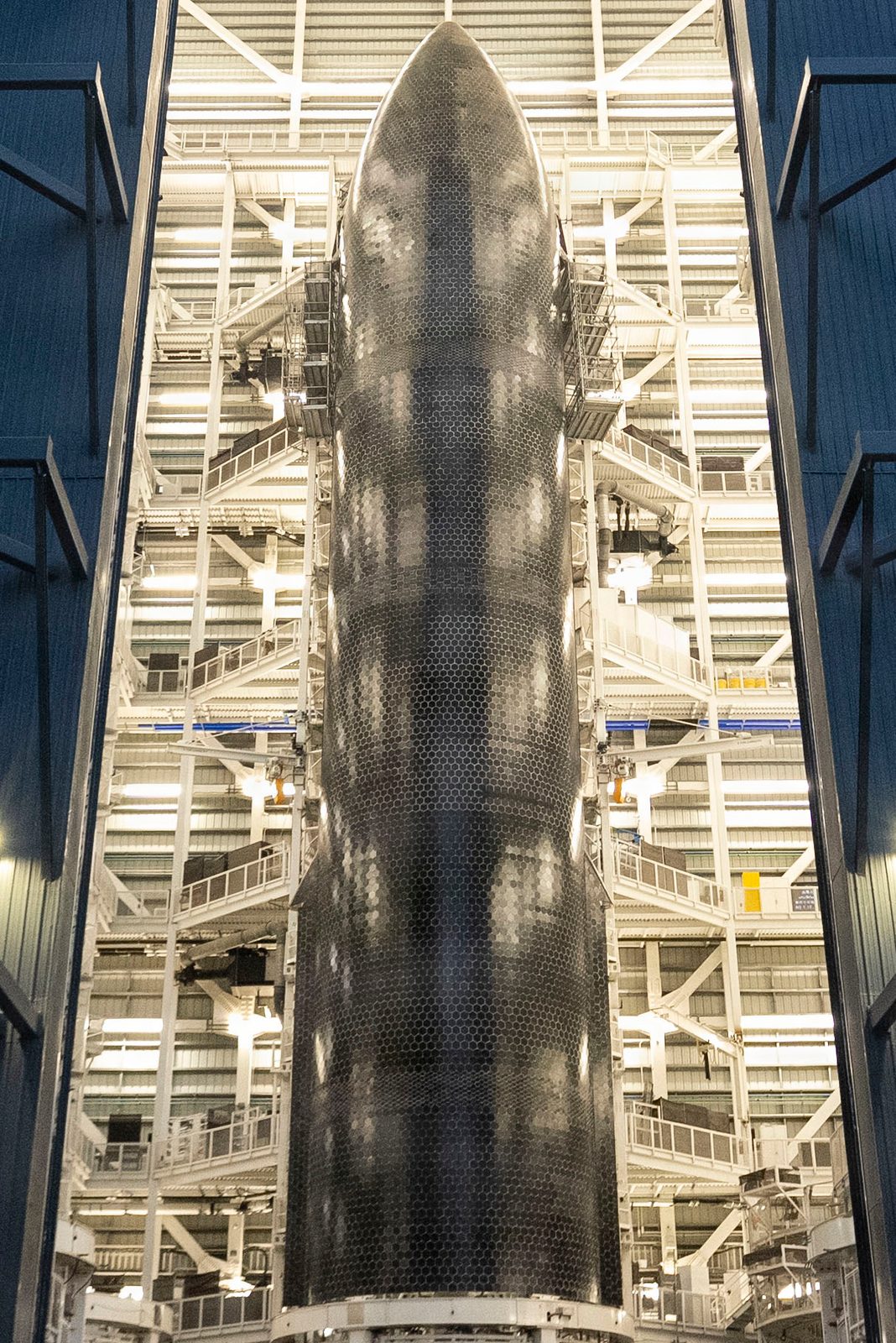
Archive photoSpaceX Launches Starship Flight 15, But Booster Diverted Into Gulf Without Recovery
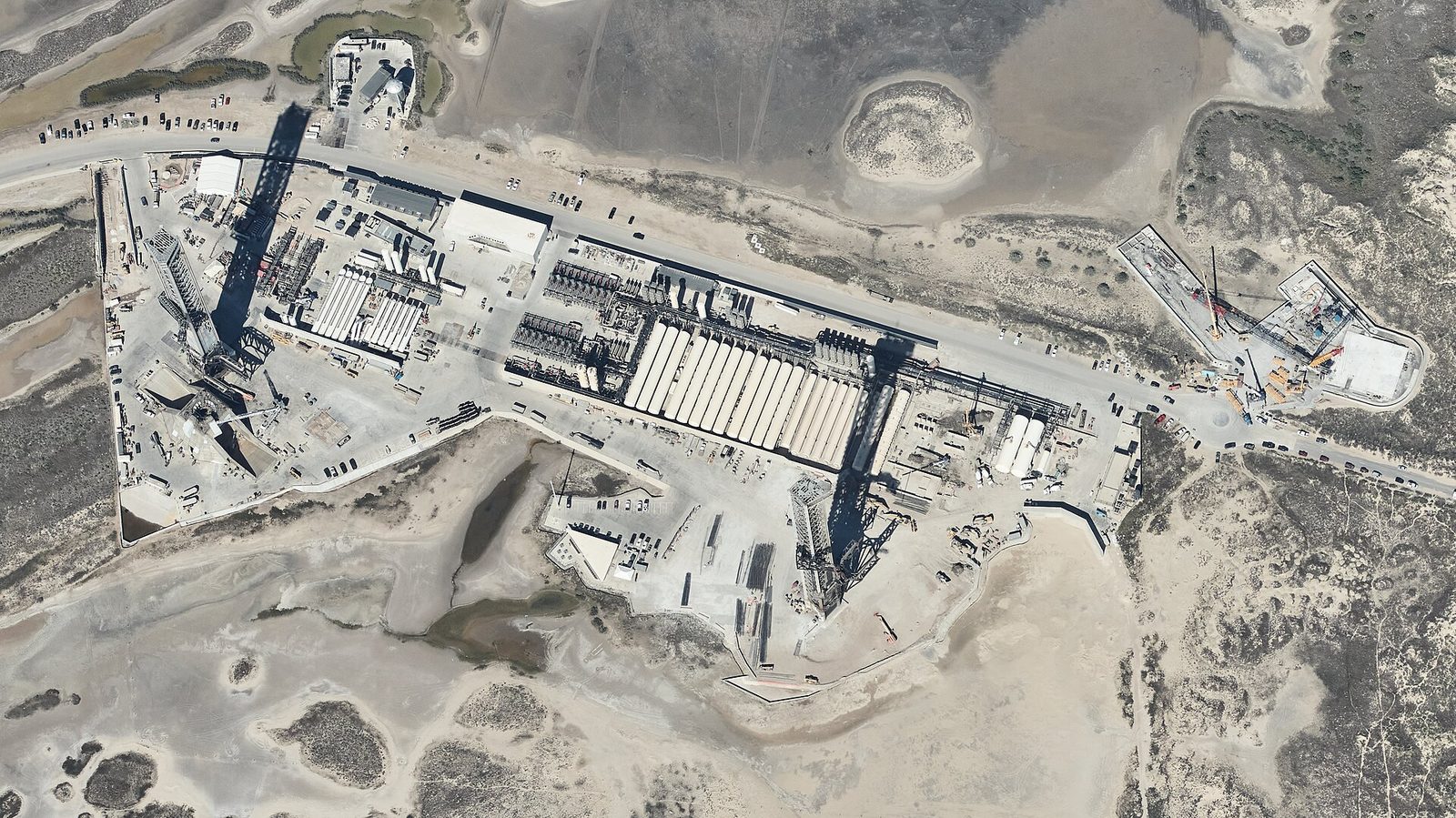
6 Western Mainstream3 Other1 AsianPhoto: NOAA / NODD / US federal government, Public domain · Cropped for layout
This article is an automated aggregation of coverage from news outlets. Our editorials offer in-depth analysis curated by the NewsCord team.
Starship Flight 15 launched from Starbase Texas for an orbital test on Nov 13 evening. Booster failed to return to shore, splashing down in the Gulf, preventing planned catch.
Save coverage image
Flight 15 reaches orbit
SpaceX launched Starship Flight 15 from Starbase, Texas, on Friday, making it its 15th test flight in more than three years and placing the upper stage into a nominal orbit after Raptor engines fired. Ars Technica described the mission as largely successful, with the primary aim to deploy 26 Starlink V3 satellites about 40 minutes into the flight, and it said the satellites “safely made it into orbit.” SpaceX then faced a setback when the first stage was commanded to divert into the Gulf rather than return to the Starbase facility to be caught by the launch tower, and the diversion produced a “fantastically powerful explosion.”
DW said SpaceX successfully launched the latest flight into orbit but did not recover the booster as planned, and it reported that the booster exploded above the Gulf of Mexico while the upper stage remained in orbit. SpaceX’s Dan Huot said, “Not sure right now why we weren't able to bring it back,” as the company prepared to attempt recovery of the upper stage on Saturday when it returns to Earth.
Catch attempt aborted
SpaceX attempted to guide the Super Heavy booster back to a pinpoint landing at its South Texas launch tower, called Mechazilla, but the company was ultimately unsuccessful and instead carried out a splashdown off the Texas Gulf Coast. CBS News said the rocket made a splashdown off the Texas Gulf Coast, exploding in a spectacular fireball moments before hitting the water, and it added that SpaceX still planned to attempt its first-ever launch pad catch of a Starship upper stage Saturday. CNN said the Starship spacecraft reached orbit, where it deployed Starlink internet satellites and was expected to spend 22 hours circling Earth, while it also reported that SpaceX attempted the booster landing only three times before.
SpaceX’s Dan Huot told viewers during the webcast, “We’ve got a nominal orbit insertion, so Starship now in orbit around Earth for the second time ever,” and Space.com reported that Ship deployed 26 Starlink V3 spacecraft into LEO on schedule. Space.com also said SpaceX reserved contingency checkpoints during Flight 15’s timeline, and it reported that Ship would only execute a return to launch site if the flight control team ensured that systems critical for reentry maneuvers and final landing burn and tower approach were healthy.
Next steps and stakes
SpaceX said the upper stage is scheduled to return to Earth on Saturday, and DW reported that the plan is to recover it on Saturday when it returns to Earth and to be caught by mechanical arms upon landing back at the launch pad.
India Today said Flight 15 was designed to attempt catching both Super Heavy and Starship using the mechanical arms of its launch tower, and it described the mission as a bid to demonstrate the first full recovery of an orbital launch system.
Space.com reported that Ship is scheduled to circle Earth 14 times, spending more than 21 hours in space before coming home, and it said the vehicle would attempt to return to Starbase at approximately 4:17 p.m. EST about 22.5 hours after liftoff if conditions remain favorable.
DW said SpaceX is hoping to develop a fully reusable rocket system and had planned to recover both the booster and the upper stage, but it reported that the reasons for the failure of the controlled landing were not immediately clear.
Ars Technica said the challenge for the company now is to make Starship reusable and dramatically increase its flight rate, and it described Friday’s mission as operational for the deployment of 26 Starlink V3 satellites while the first part was not a success because the booster was not recovered.