Technology and Scienceupdated 43m ago2 min read
Archive photo · 30 April 2026Jensen Huang Resignation Sparks U.S.-China Allegations Over Trump Access and Nvidia Chip Exports
“The sexiest part of the scandal is the sex:”
“That is a story of brazen regulatory capture”
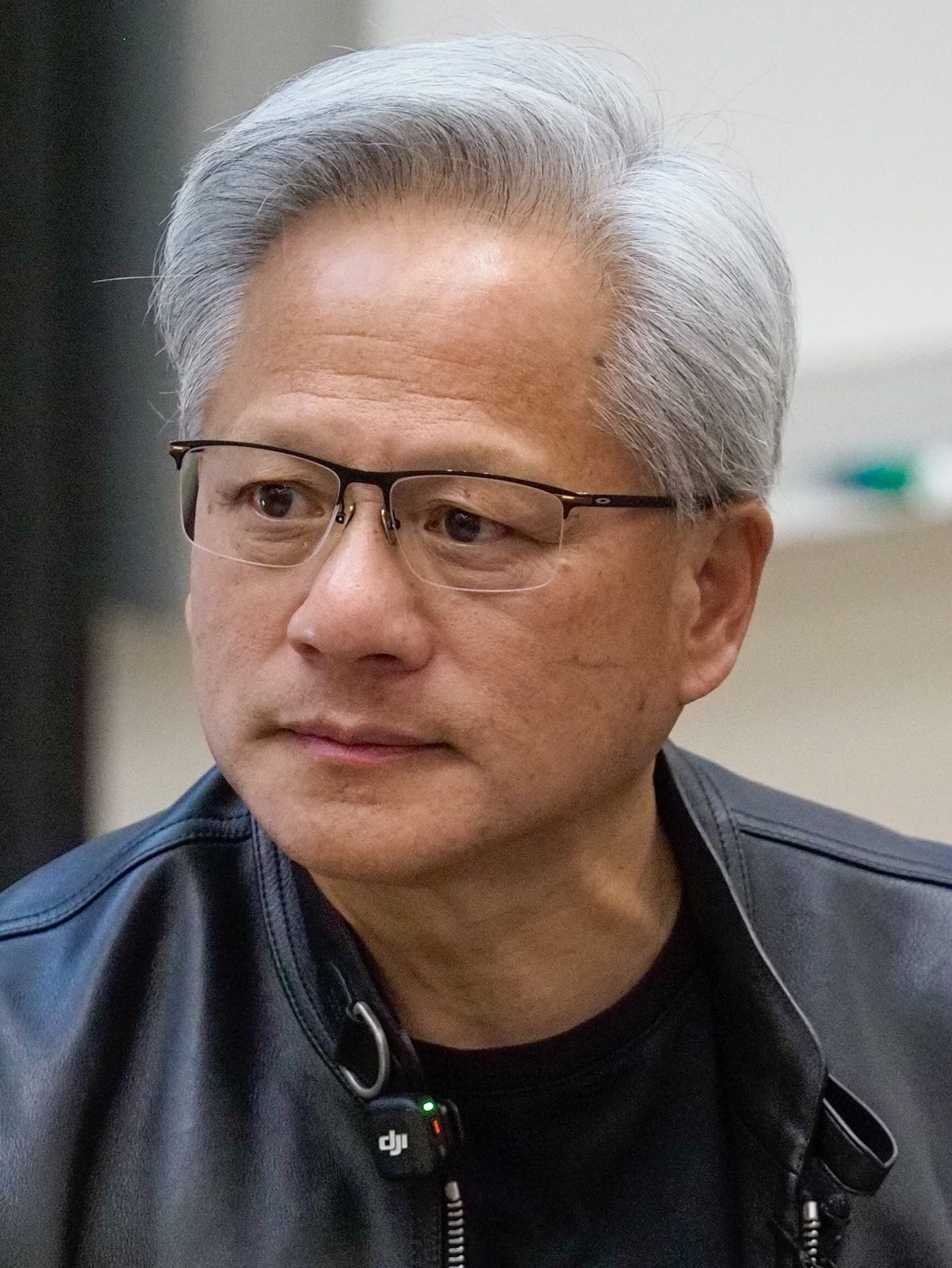
Photo: Anderseidesvik, CC BY-SA 4.0 · Cropped for layout
This article is an automated aggregation of coverage from news outlets. Our editorials offer in-depth analysis curated by the NewsCord team.
Jensen Huang resigns as Nvidia CEO amid extramarital relations, including with a Chinese-linked suspect. The affair fallout prompts scrutiny of President Trump’s links to Nvidia and U.S.-China chip exports.
Save coverage image
Huang, Trump, and China
Jensen Huang’s resignation from Nvidia has triggered a political fight over how closely he worked with President Donald Trump and how much access the United States should allow for advanced artificial intelligence chips to reach China. Huang “met with Trump on multiple occasions, traveled with him to the United Kingdom, and in May accompanied him on Air Force One during his visit to China,” placing his role at the center of Washington’s export-control debate. Washington’s export restrictions since 2022 have been described as difficult to enforce because customers can buy chips in countries like Singapore and Malaysia and then ship them to China.
The Washington Post framed the controversy as a “shadow war for Trump’s ear on China,” describing how Huang “secured his blessing to sell artificial intelligence chips to China” and fueled backlash among “national security hawks.” The dispute has expanded from chip sales to questions about what the U.S. government knew and what it did, after the BBC reported allegations that a supposed romantic relationship involved “Alice Huang (no relation), a former executive of Megaspeed, a Singapore-based company.”
Allegations, denials, and scrutiny
U.S. intelligence suspicions have focused on Alice Huang, and the BBC reported that “U.S. intelligence suspects Alice Huang has ties to Chinese intelligence,” while Beijing rejects the allegations.
Nvidia’s board has denied any compromise, and the BBC said “there is no reason to believe company secrets or national security were compromised.”
The BBC described the export-control responsibility of U.S. Secretary of Commerce Howard Lutnick and said his department was “pressured to act on concerns about Megaspeed, a Nvidia customer suspected of helping divert advanced chips to China.”
Lutnick “received a highly classified memorandum” and “resisted taking action against the company,” a decision now under scrutiny.
The Washington Post said Rubio’s intervention “helped topple” a corporate voice on China, and it tied that shift to momentum for “tougher restrictions” on advanced technology reaching Beijing.
What comes next for policy
House members from both parties have demanded answers about how the Commerce Department evaluated Chinese companies allowed to buy AI chips, and the BBC said Democrats launched an inquiry into that evaluation. The BBC reported that Republicans also questioned the government’s approach and that pressure is mounting politically as House members demand explanations. Jensen Huang’s team told Republican lawmakers on Wednesday that he “plans to cooperate with their request to testify in a closed session,” keeping the dispute focused on what was known inside government.
A continuing gap in export controls has been described, with Senator Elizabeth Warren saying Huang’s resignation does not absolve him and urging Lutnick to explain why there are still gaps in export controls. The Washington Post linked the controversy to the administration’s China policy direction, describing how Huang’s access and “blessing” for chip sales to China became a flashpoint for officials pushing to keep powerful technology out of Beijing’s hands.