Technology and Scienceupdated 44m ago3 min read
Archive photo · 22 November 2014UN Says Ebola Response Shows Progress in DR Congo, Warns Insecurity and Attacks
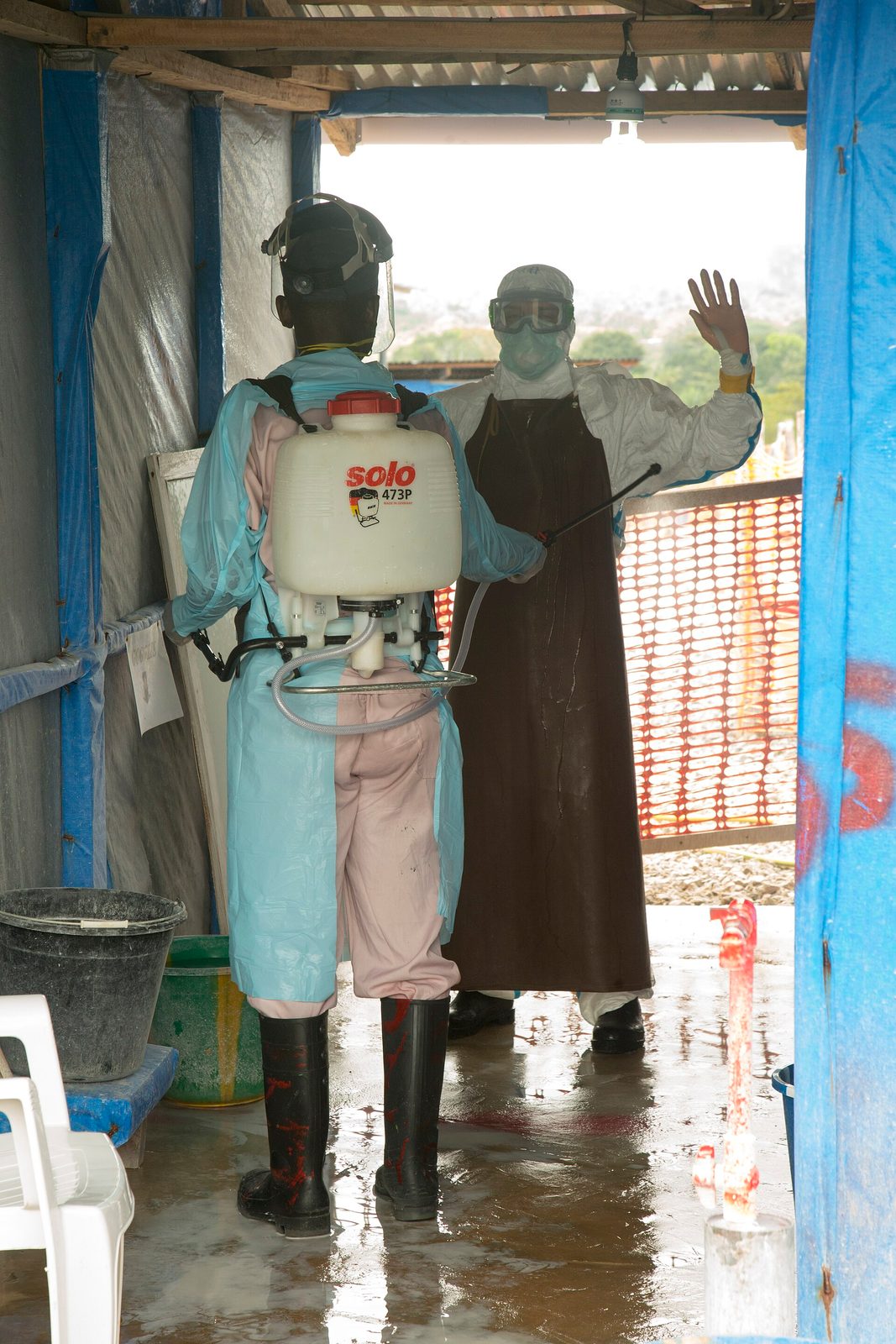
5 Western Mainstream1 Local Western1 West AsianPhoto: Sgt. 1st Class Brien Vorhees / US federal government, Public domain · Cropped for layout
This article is an automated aggregation of coverage from news outlets. Our editorials offer in-depth analysis curated by the NewsCord team.
Progress in Ebola response after six months, but cases persist in remote areas Insecurity and armed group attacks hamper containment efforts
Save coverage image
7 outlets in this story. Read their headlines below.
Outlets did split on FAA Expands SMART AI Advice to All 22 Centers After Nationwide Ground Stop →
Ebola spreads, insecurity rises
United Nations health officials said they saw progress in the Ebola response six months after the outbreak first prompted global concerns, while warning that the disease continues to spread to more remote and dangerous parts of Congo. Chikwe Ihekweazu, head of the World Health Organization's Health Emergencies Programme, said, "We do see encouraging signs," but added that cases were emerging in "more rural and more difficult-to-reach areas." Africa CDC said the outbreak had surpassed 11,100 confirmed cases and reported that more than 5,400 people have died so far, while the outbreak is driven by the rare Bundibugyo species of the virus for which there are no approved treatments or vaccines.
Julien Harneis, the UN's special Ebola coordinator, said the operating area was "vast beyond imagination" and argued that "we're able to operate" most of the time across the region. The UN also warned that insecurity was the biggest challenge, citing WHO data showing 80 attacks on health sites and workers so far.
Attacks disrupt care
Africa CDC's Wessam Mankoula said attacks on health workers and facilities were increasingly hindering efforts to contain an Ebola outbreak in eastern Democratic Republic of Congo. Reuters reported that the incidents included four armed attacks, 16 assaults on responders and 11 health facilities that were burned or otherwise targeted, and Reuters said an attack on Cantine-Aloya in North Kivu last week by the Allied Democratic Forces killed 66 people, including three health workers. The UN Senior Ebola Response Coordinator Julien Harneis stressed that more people were being killed by Allied Democratic Forces fighters than by Ebola disease caused by Bundibugyo virus in recent days.
Dr Chikwe Ihekweazu said about 400 to 500 cases of infection were still being identified every week, and he linked the trend to the emergence of cases in rural and hard-to-reach areas. The UN warned that violence was also affecting communities and care, with Dr Ihekweazu describing "attacks on healthcare, attacks on communities as well, attacks on people providing care" and nurses in burials losing their lives.
Money, monitoring, and next risks
Médecins Sans Frontières warned that hundreds of millions of dollars meant to help tackle Ebola in the Democratic Republic of Congo were not reaching the intended recipients, and the BBC said the charity reported front-line workers were going unpaid and lacked proper training. MSF said the outbreak remained "out of control" while it urged the Congolese government and UN agencies to "strengthen oversight and accountability" to ensure money already disbursed is effectively utilised. BBC reporting also cited Africa CDC concerns that $700m out of $962m disbursed to organisations implementing Ebola response was unaccounted for, and the BBC said the Congolese health minister echoed that only 22% of agencies had provided details of their work for oversight.
The BBC said contact tracing remained deeply problematic, and it reported that two-thirds of deaths were occurring in communities not treatment centres. Reuters reported that British epidemiologist Neil Ferguson said more than half of the cases are going undetected, meaning the outbreak is likely to last another year, while Reuters also said the outbreak had infected 11,114 people and killed 5,433 according to Congolese government data.