Syriaupdated 1h ago2 min read
FBI Protects Bassam Al-Hasan in Lebanon After BBC And NPR Link Him To Austin Tice
This article is an automated aggregation of coverage from news outlets. Our editorials offer in-depth analysis curated by the NewsCord team.
Bassam al-Hassan, former Syrian general, resides in Lebanon after Assad regime's collapse. He is funded and protected by U.S. and Lebanese authorities under an information-exchange arrangement.
18 outlets told this the same way.
Outlets did split on France Suspends Police Stun Grenades at High School Protests After 15-Year-Old Loses Hand →
Protected in Lebanon
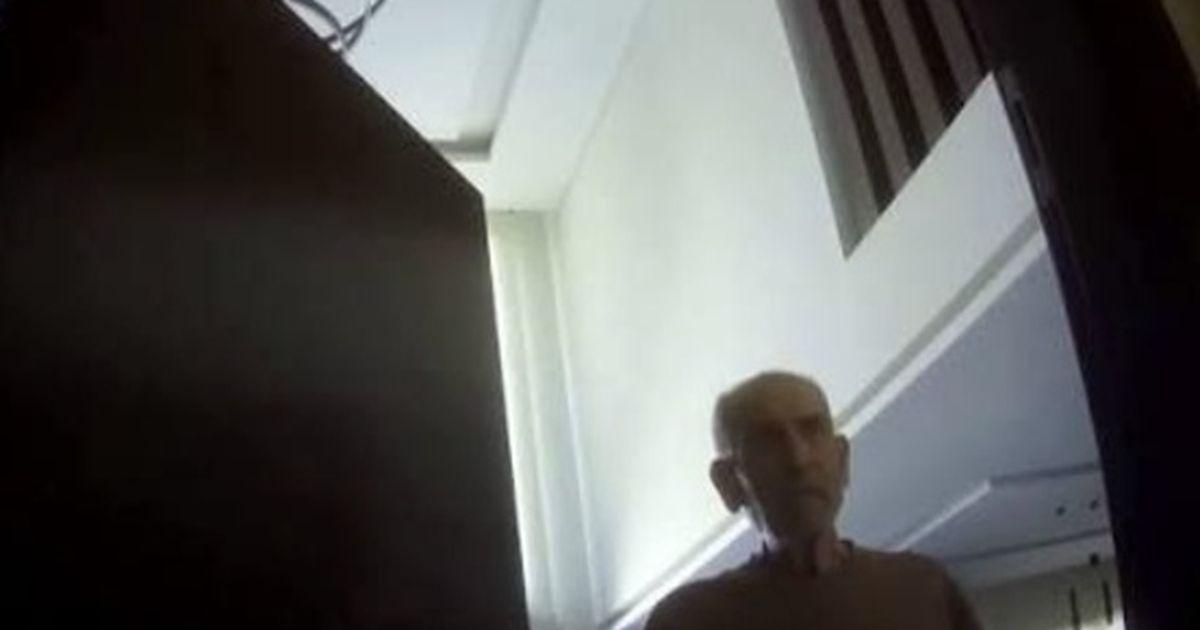
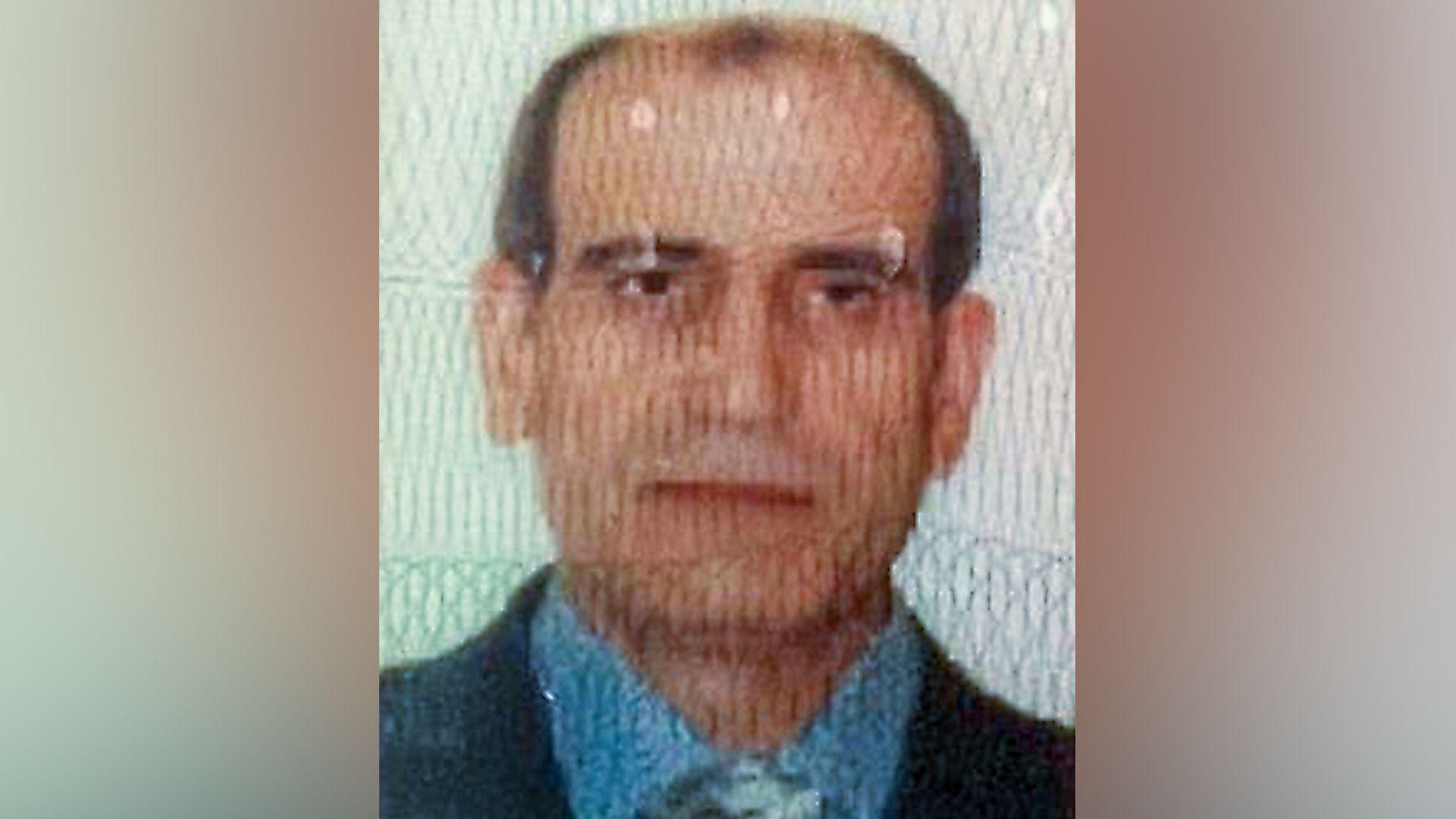
Bassam al-Hasan, a former Syrian general who oversaw Syria’s chemical weapons program and served as a senior adviser to former President Bashar al-Assad, is living in Lebanon after the Assad regime collapsed in 2024 under an arrangement involving the FBI and other American and Lebanese entities. The BBC and NPR investigation said the arrangement followed his willingness to provide information about the 2012 abduction of American journalist Austin Tice in Syria, as well as other intelligence information.
The BBC reported that Tice’s abduction was a staged operation and that Hasan was part of the leadership chain responsible for it, while the investigation described American and Lebanese authorities as providing funding and protection despite sanctions. Phil Elwood, a spokesperson for the Tice family, said, “If the information you are reporting is correct, using taxpayers’ money to provide a comfortable life for a person linked to the use of chemical weapons against Syrian civilians—and who is alleged to have been behind the execution of Austin Tice—is shameful.”
Syria demands trial
Officials from two different factions of the new Syrian government told the BBC they are demanding Hasan be brought to trial, while American authorities insist on keeping him in Lebanon, saying Damascus has few viable options to change the situation. The BBC investigation described a meeting record in which Hasan was offered “residency” and “protection” and help securing his “living needs” in exchange for providing information primarily about the Tice case.
The FBI declined to comment on the findings and referred the broadcasters to a previous statement emphasizing focusing on uncovering the facts related to Tice’s case and ensuring his return. Phil Elwood also said, “This amounts to aiding and incitement to allow a war criminal wanted by justice to go unpunished; the Syrians deserve justice, and this person should be brought to court.”

Evidence and open questions
People connected to the Tice case investigation told the BBC they had seen only limited evidence suggesting tangible progress in the case since Hasan began providing information under the arrangement. The investigation said the agreement is believed to have been reached in spring 2025, and it described sources familiar with the arrangement saying Hassan receives money from American authorities through intermediaries, making it hard to trace.
The investigation also reported that Hassan provided a possible location for the journalist’s remains, but searches yielded nothing, raising doubts about the accuracy of some of his information. The investigation further reported that two sources with close knowledge of the operation said American authorities halted digging before completion, possibly due to security concerns, and that when the BBC contacted Hassan by phone last year to request an interview, he asked for permission from the FBI and CIA at the U.S. embassy in Beirut.